Detection frequency
700–6000MHz (customizable)
Detection range
1–5km
Drone positioning range
1–5km
Battery life
Up to 4 hours
Weight
20kg
Display
10.1-inch large screen
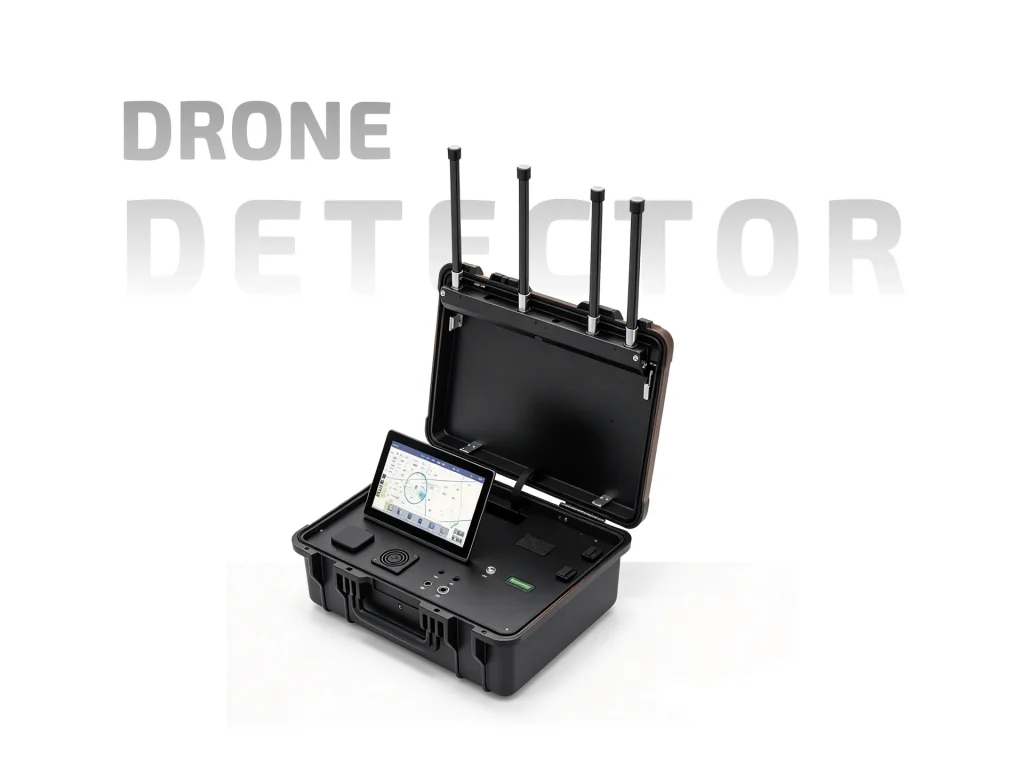
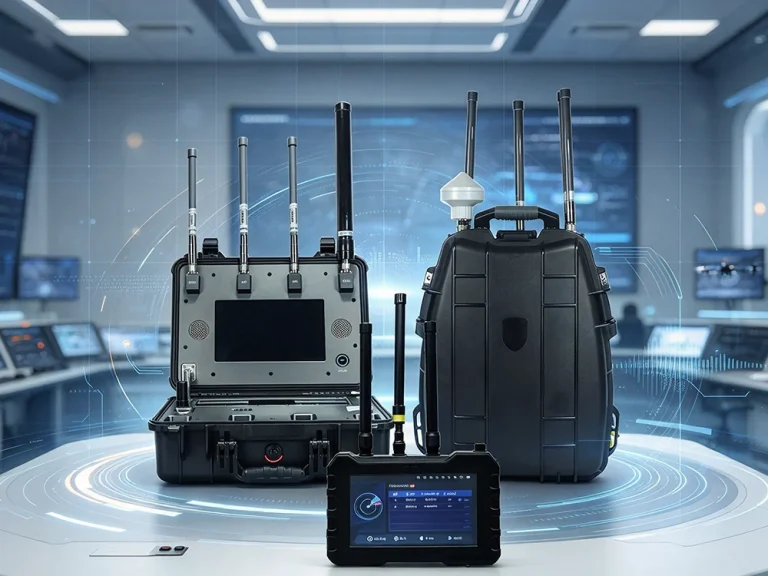
The ETLD-PD1C is a suitcase-style drone detection device built for field teams that need to monitor airspace without a fixed installation. It packs the receiver, screen, alarms, and battery into one transportable case. Setup is straightforward: place the unit, power it on, and check the live display. It suits temporary posts, patrols, and sites where a permanent radar or fixed sensor is not practical.

Wide Frequency Coverage
The receiver covers 700–6000MHz, with frequency customization available on request. That range supports monitoring of common drone control and video links, while the custom option helps when local frequency use differs. The aim is simple: give operators a clear view of activity in the band they care about, without carrying multiple boxes.
Detection Range and Positioning
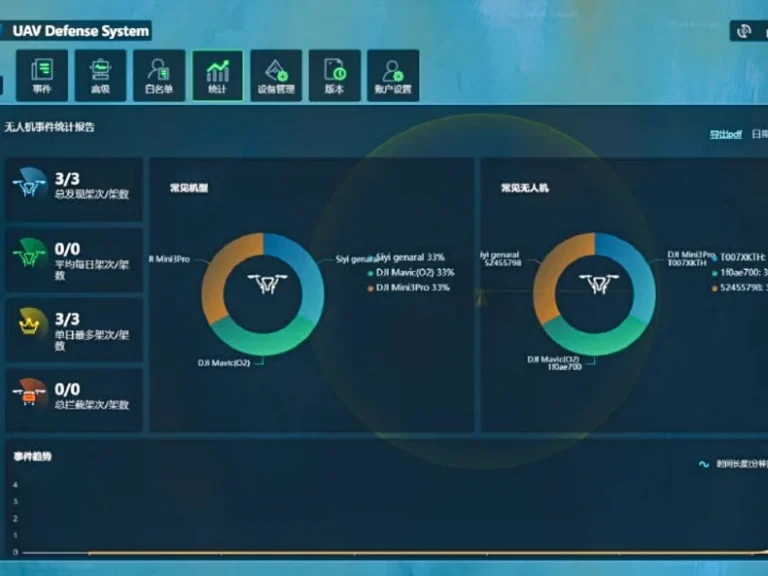
The ETLD-PD1C lists 1–5km detection range and 1–5km drone positioning range. Real-world results depend on terrain, buildings, antenna height, and the drone itself. In open ground, the upper end is more likely; in dense urban or cluttered sites, expect shorter coverage. The device supports drone positioning and track tracking, so operators can follow movement on the display rather than only hearing an alert.
Alerts That Fit the Situation
Three alert types are supported: sound, vibration, and pattern. Sound suits a manned post. Vibration is useful in noisy areas or when the operator needs a quieter cue. Pattern alerts help draw attention to a specific display state. Teams can choose the alert mode that matches the site and shift pattern.
Screen, Power, and Weight
A 10.1-inch screen provides the main operating view. It is large enough to show detection and tracking information without requiring a separate monitor. The built-in battery runs for up to 4 hours, which covers many short deployments, event windows, and patrol cycles. For longer shifts, plan a power break or a second unit. At 20kg, the case is portable but not a one-hand item; a two-person carry or a small cart is sensible for frequent moves.
Where It Fits
This device is aimed at security teams, event operators, critical site managers, and patrol groups that need a mobile drone detection capability. It can be used at perimeter checkpoints, outdoor events, construction sites, VIP visits, and temporary guard posts. For fixed sites, it can also act as a temporary gap filler while permanent systems are installed. Because it only detects and tracks, it should be part of a wider response plan. If action is required, pair it with separate procedures or equipment.
Planning Around Range and Power
Range is rarely a single fixed number. Buildings, hills, trees, and antenna height all change what the receiver sees. Use the 1–5km figure as a planning guide, then test at the actual site. Power is similar: 4 hours is the listed battery life, so shifts near that limit need a backup plan. A spare battery, vehicle power, or a scheduled changeover keeps coverage steady. If the site has strong interference, change settings only after a test; too much filtering can hide weak signals, so log the result.
Deployment Notes
Keep the unit away from strong local interference where possible. Raise the antenna or position the case for a clearer view of the sky. Test alarm modes before a shift. Record the frequency plan and any custom settings so different operators can use the same setup. Check battery status at handover. The display and tracking view should be monitored by a trained operator, not left unattended.
Summary
The ETLD-PD1C suitcase drone detector combines wideband coverage, 1–5km detection and positioning, multiple alarms, tracking, a 10.1-inch screen, and 4-hour battery life in a 20kg suitcase format. It is a practical choice for mobile drone awareness where fast setup and clear alerts matter.