Detection range
1–10 km
Detection frequency
400 MHz–6000 MHz
Drone swarm detection
≥10 drones
Real-time positioning
Drone and operator
Battery life
≥4 h
Weight
≤20 kg
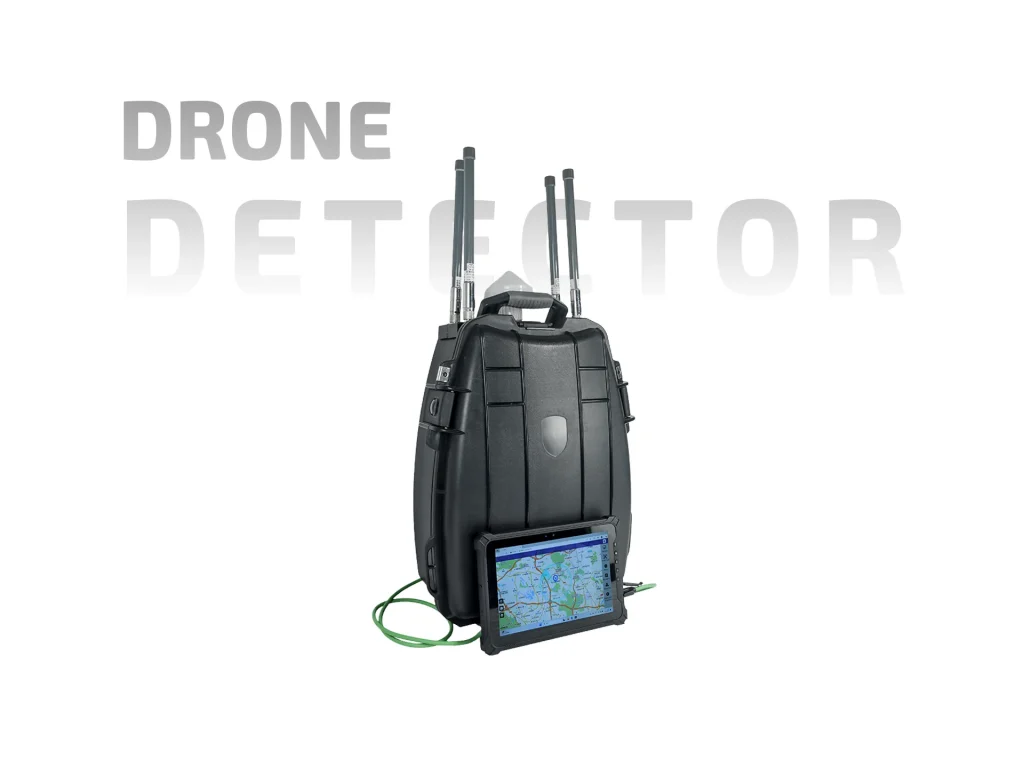
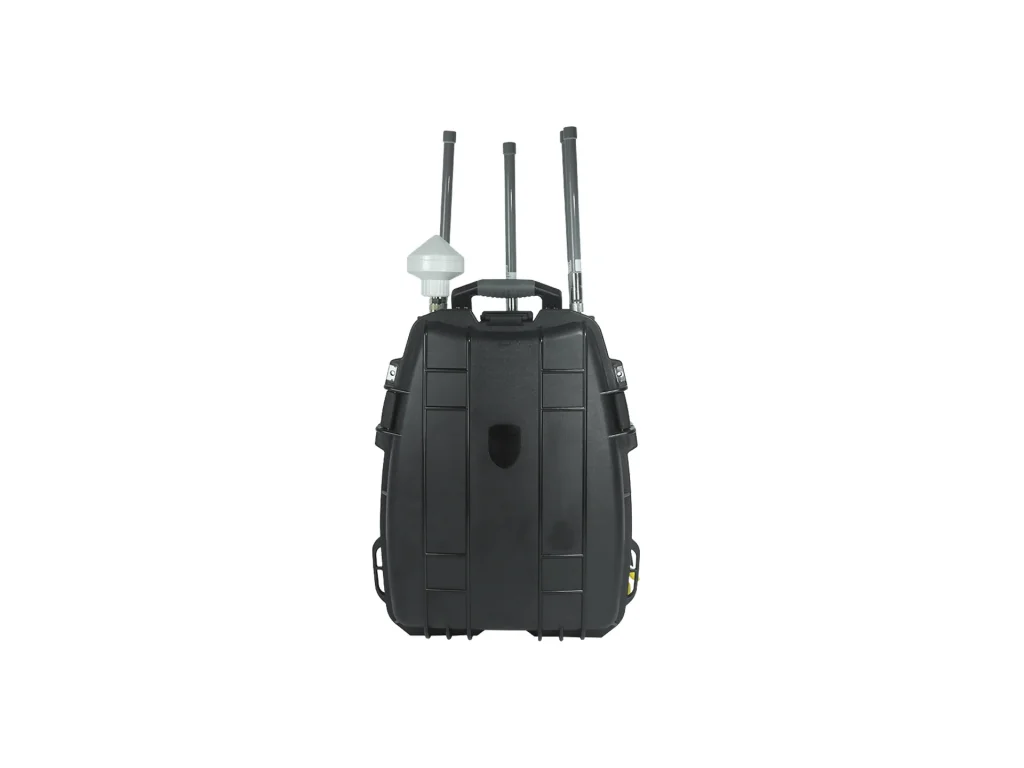
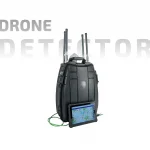
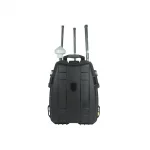
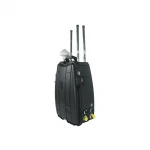
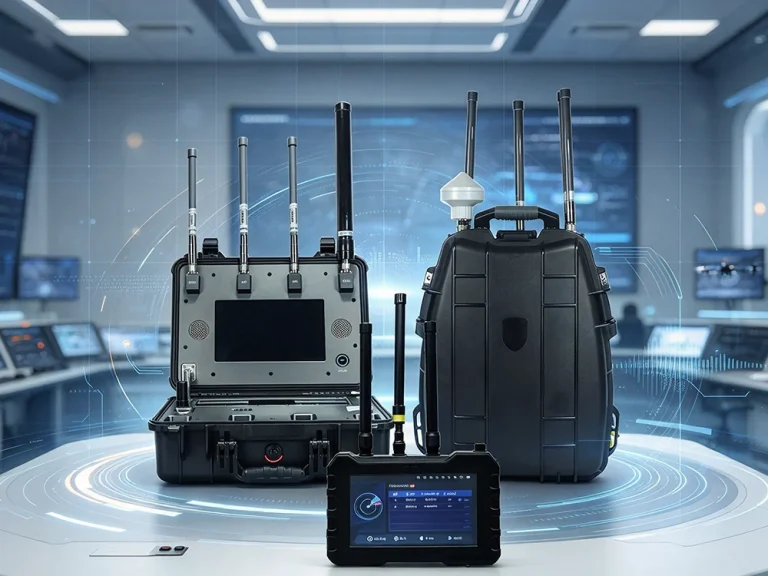
Backpack drone detector ETLD-DDP1C is a backpack UAV detection and positioning system for mobile teams. It watches the air, finds drones, and shows where the pilot is. The kit is built for field use, not for a fixed command room.

Backpack Drone Detector: Core Strengths
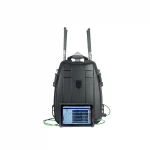
Security patrols, border units, and event crews often move before they set up. A fixed counter-UAV tower cannot follow them. This portable drone detector packs into a rugged backpack and runs from battery power. One operator can carry it, power it, and read the live map on a 10.1-inch tablet.
The system covers 400 MHz to 6000 MHz. That range includes many control links, video feeds, and telemetry signals used by consumer and commercial UAVs. It also detects drone swarms with ≥10 drones in one session. For users who need early warning, that matters.
Detection and Positioning
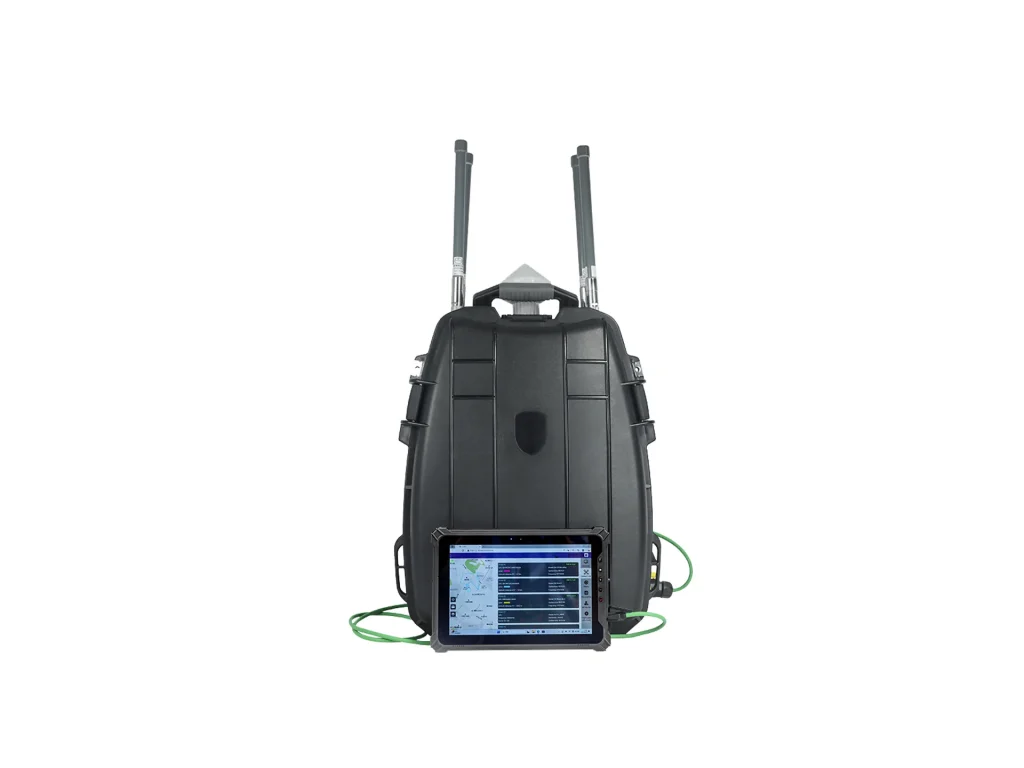
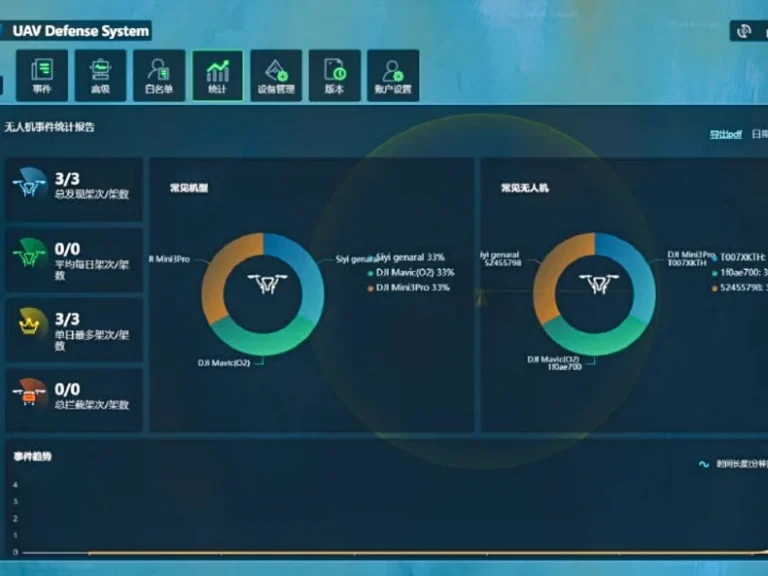
The ETLD-DDP1C does two jobs at once. First, it detects UAV signals. Second, it estimates the real-time position of the drone and the operator. The GIS map area shows both tracks. A detection list keeps serial number, model, color, update time, azimuth, distance, and frequency.
A shortcut toolbar and function settings keep the workflow short. Users can check white lists, play back records, open the record list, and run data analysis. The layout is simple: title bar, GIS map, positioning list, and settings.
Hardware and Software
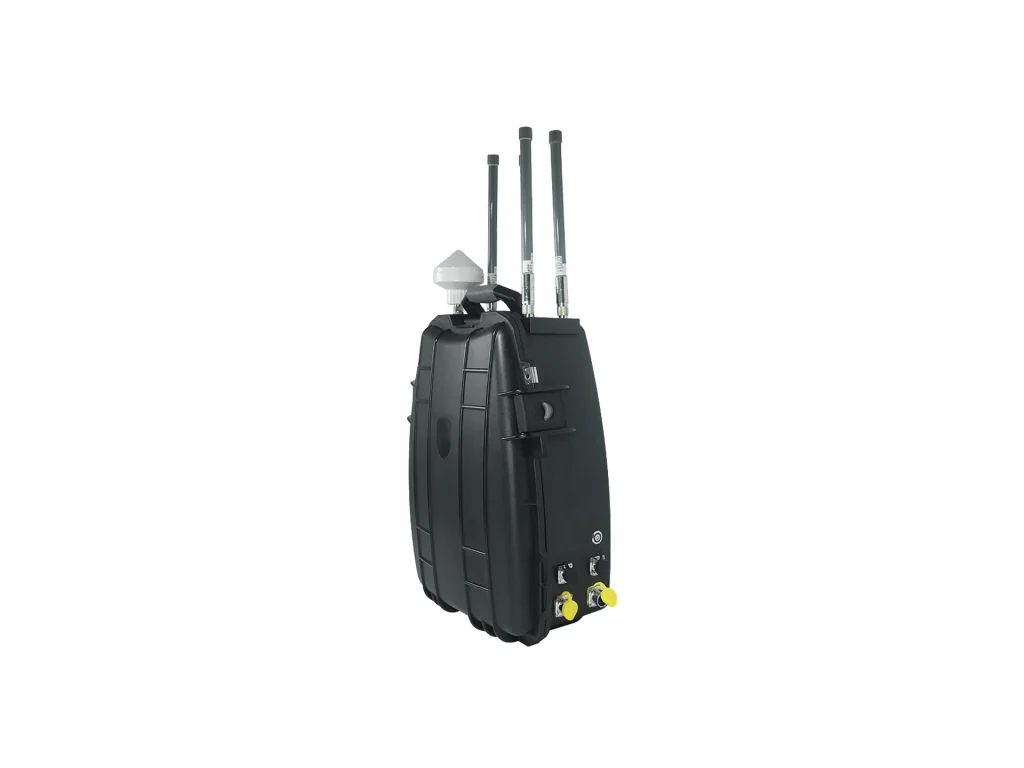
The backpack kit includes one device host, four detection antennas, one GPS, one network cable, one power adapter, and one rugged tablet PC. The tablet screen is 10.1 inches with 1080P resolution. The software runs on the tablet and connects to the host.

For teams that already use UAV defense equipment, this unit can add mobile detection. For rules and airspace context, see FAA UAS resources and ICAO airspace guidance. Always follow local laws before using any detector.
Key Specifications
Size is 510 × 440 × 210 mm ±2 mm. Weight is ≤20 kg without antennas. Operating temperature is -20~65℃. Storage temperature is -40~70℃, with 20~30℃ recommended for long storage. Battery life is ≥4 hours, but cold weather and battery age can shorten it.
The system is not a jammer. It is a passive detector and locator. That distinction helps teams avoid interference and stay within legal limits. It also means the unit can work while other systems stay silent.
Deployment Notes
Set the antennas high and keep the host away from strong transmitters. Use the GPS for map alignment. Charge the tablet and host before each shift. After use, store the kit in a dry place at recommended temperature.
If the RF background is busy, reduce false alerts by using the white list. If the mission moves, fold the antennas and repack. The whole kit is designed for one-person transport.
Who It Is For
Border patrols, critical site guards, VIP security, and emergency response teams can use it. It also suits temporary checkpoints, vehicle convoys, and remote camps. If the team moves, the detector moves too.
The pack ships with the host, four antennas, GPS, network cable, power adapter, and tablet. The antenna count supports directional and broad monitoring. Setup takes minutes once the operator knows the layout.
Final Thoughts
A backpack drone detector should be fast to deploy, clear to read, and tough enough for field work. The ETLD-DDP1C meets that brief with 1–10 km detection, 400–6000 MHz coverage, swarm tracking, and real-time pilot positioning. For mobile teams, that is a practical layer of air awareness.