Channels
8
Frequency Bands
430/433MHz, 700MHz, 800MHz, 900MHz, 1.2GHz GPS, 1.5GHz, 2.4GHz, 5.8GHz
Effective Range
0–1500m
Battery
27V 30A
Control
Handle with per-channel on/off
Antennas
Omnidirectional + directional
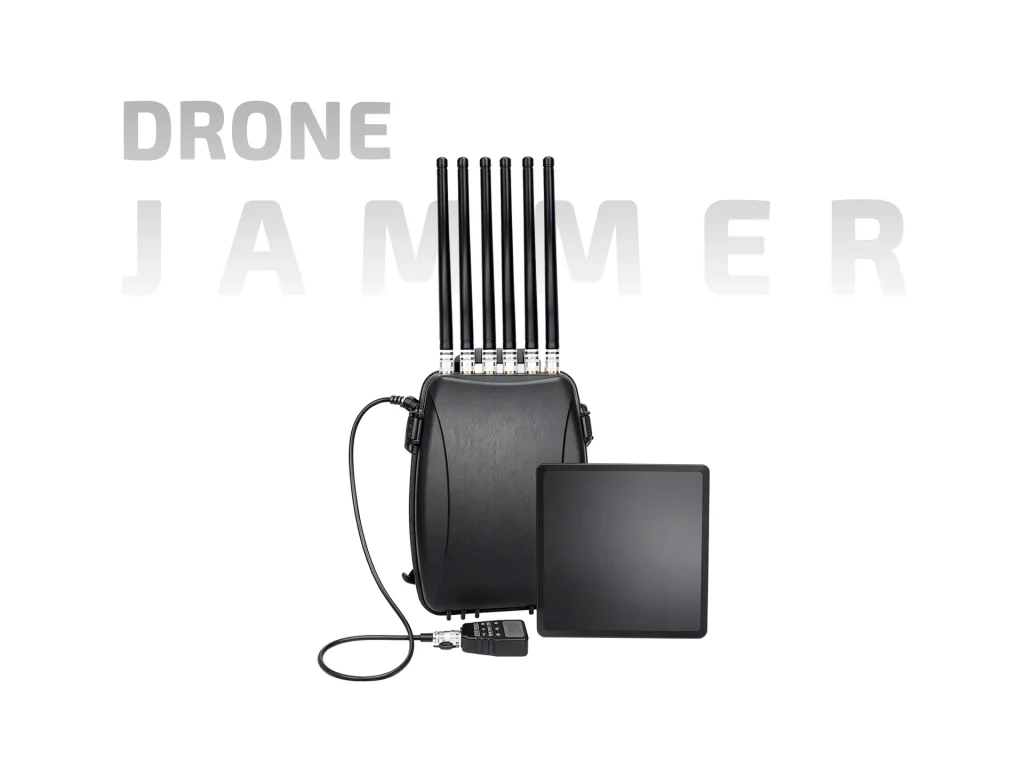
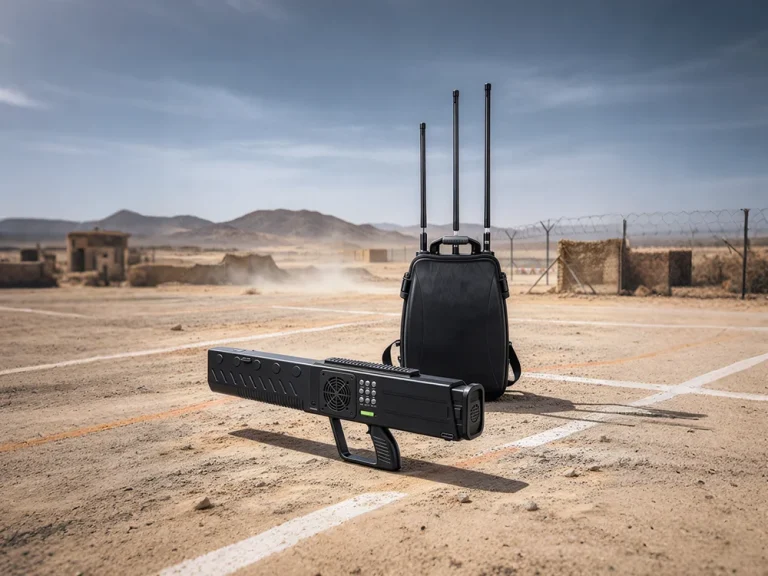
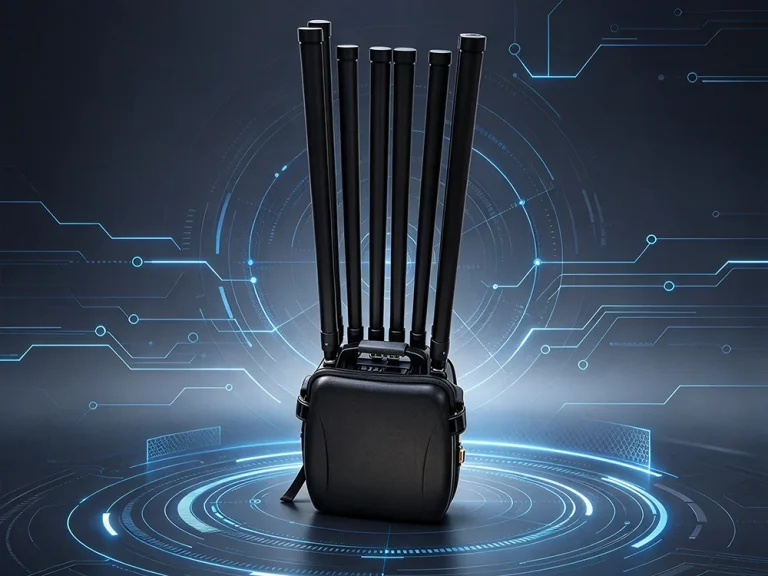
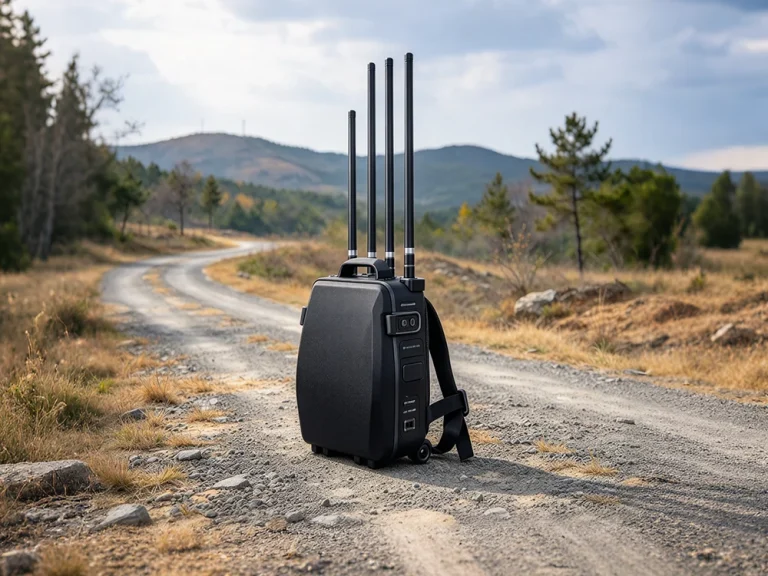
The ETLD-BJ8A is a backpack drone jammer for teams that need a portable counter-UAV tool without a vehicle mount. It packs eight RF channels, a 27V 30A battery and both omni and directional antennas into one carry system. The operator can power each band from the control handle, which keeps setup simple in the field.

Eight Bands in One Backpack
The unit covers 430/433MHz, 700MHz, 800MHz, 900MHz, 1.2GHz GPS, 1.5GHz, 2.4GHz and 5.8GHz. These eight paths address common drone control, video and GPS links. Because the bands are separate, the operator can choose the set that matches the mission instead of running all eight at once. The 8-channel layout also makes it easier to adapt when the RF environment changes.
Independent Switching from the Handle
A handheld control handle manages channel on/off. Each band can be switched independently, so a security team can keep the relevant links active and leave unused bands off. This is useful when battery life matters or when a site needs a narrower RF profile. The handle is part of the carry kit, so there is no separate control case to manage.
Antenna Choices for Different Sites
The package includes omnidirectional and directional antennas. The omni antenna gives wider coverage around the operator, which suits a fixed watch point or a moving patrol. The directional antenna focuses energy toward a known approach path and can improve reach in open areas. Switching between them takes only a few minutes, and the chosen antenna should match the band and the site layout.
Power and Carry Design
The internal 27V 30A battery is sized for field work. It removes the need for an external battery box and keeps the load in the backpack. Actual runtime depends on how many channels are active, the selected bands and the operating cycle. For transport, the pack holds the jammer, antenna set and control handle. One person can carry it through gates, upstairs or across uneven ground.
Range in Real Use
The stated range is 0–1500m. That figure is not a guarantee at every site. Buildings, hills, trees, antenna height and the drone’s own link quality all affect results. In open line-of-sight conditions, the directional antenna can help extend the working distance. In dense areas, expect a shorter effective range and plan the antenna position around the target approach.
A Simple Field Setup
Set the backpack down with the antenna clear of metal. Connect the chosen antenna, power the handle and select only the bands you need. Keep the antenna vertical and avoid placing the pack behind a wall or vehicle. If using the directional antenna, aim it toward the expected approach path and check the channel status before relying on it.
Before Deployment
Use the ETLD-BJ8A only where counter-drone jamming is authorized. Check local RF rules, confirm the band plan for your region and keep a log of channel use. A short site check before switching on can save time: antenna connected, battery charged, handle paired and the needed bands selected. The backpack format is not a substitute for training; operators should know how each band affects the nearby RF environment.
Who It Suits
The ETLD-BJ8A fits security teams, event crews, critical-site patrols and authorized field units that need a carryable 8-channel backpack drone jammer. It is less suited to permanent installations, where fixed masts and larger antennas may be a better choice. For mobile work, the balance of band coverage, battery and antenna options is the main value.
Ordering Checks
Ask for the current band plan, antenna set and charger type before ordering. Confirm that the 27V 30A battery package matches your transport rules. If the unit will be used in a fixed location, compare it with a larger installation; if it will move between sites, the backpack design is the stronger fit. Spare antennas and a training session are worth discussing at the same time.