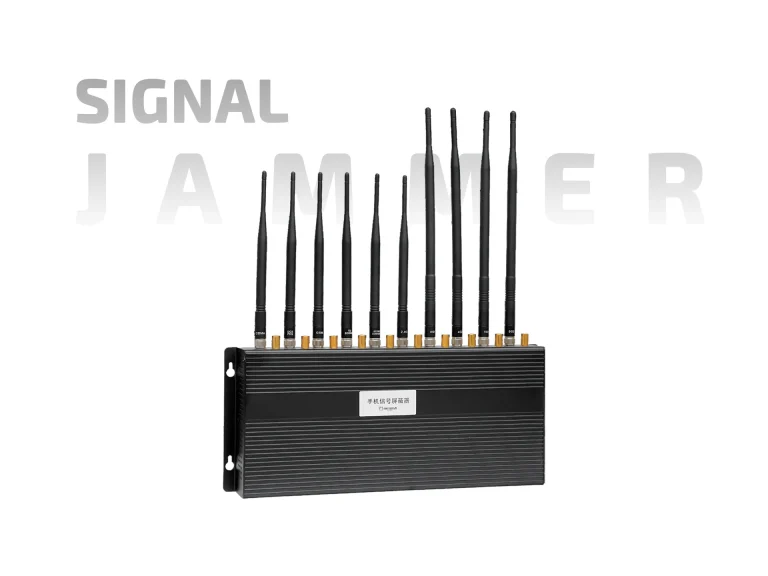
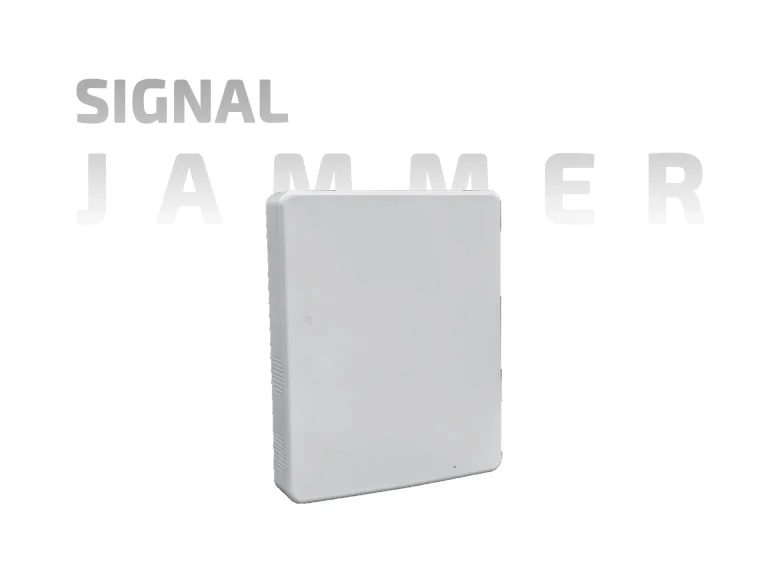
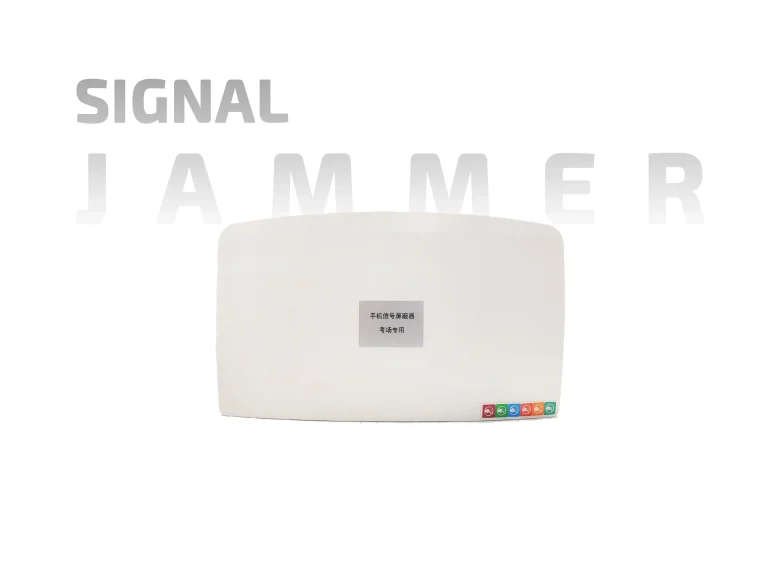
There is a persistent assumption in RF procurement that a low power signal jamming device is simply a budget option—something you buy when you cannot afford the real thing. That assumption misses the point. In many authorized applications, low power is not a compromise; it is the correct engineering choice. A device that emits less energy is easier to contain, easier to power, easier to cool, and easier to justify in a compliance review. The question is not whether it can match a high power unit, but whether the task actually requires one.
For a direct comparison of the two classes, see High Power vs Low Power Signal Jammer: Which Fits?.

Defining the Category Without Marketing Spin
“Low power” is as loosely used as every other power label in this field. Some vendors mean milliwatt-level bench units; others mean tens of watts. What matters is not the label but the intended operating envelope: the size of the contained area, the strength of the legitimate signal, and the required jamming margin. A low power device that is properly matched to a small, shielded space can be more effective than a high power unit blasting into an uncontrolled environment.
| Attribute | Typical low power range | Implication |
|---|---|---|
| RF output | Milliwatts to low tens of watts | Suited to contained or short-range use |
| Coverage radius | Meters, not kilometers | Placement and antenna choice dominate |
| Power draw | Often adapter-level | Simple supply, long battery life |
| Thermal load | Modest; often fanless | Quiet, low-maintenance operation |
| Containment | Easy to shield or enclose | Lower collateral risk |
| Cost | Lower purchase and operating cost | Accessible for lab and test use |
Where Low Power Devices Genuinely Excel
The strengths of low power equipment are not marketing points; they are practical advantages that show up in daily operation.
| Scenario | Why low power fits | What to watch |
|---|---|---|
| Shielded room or Faraday enclosure | Containment does the work; excess power adds heat | Verify enclosure attenuation at target bands |
| Bench-level receiver testing | Short distances, controlled conditions | Confirm antenna placement is repeatable |
| Small defined zone with weak ambient signal | Adequate margin without spillover | Measure ambient signal before selecting output |
| Portable field assessment | Battery life and weight favor efficiency | Plan duty cycle around runtime |
| Classroom or training demonstration | Safety and containment are priorities | Use only in authorized, shielded settings |
| Prototype and pre-compliance testing | Fine control over interference levels | Document test conditions carefully |
The Hidden Advantages of Restraint
Low power devices often win on factors that do not appear in a wattage comparison. They generate less heat, which means longer continuous runtime and fewer derating surprises. They draw less current, which simplifies power supply design and reduces battery weight. They are easier to switch off and easier to document. And because their physical footprint is smaller, they are less likely to affect receivers outside the intended area—a point that matters greatly in legal and safety reviews.
| Factor | Low power advantage | Operational benefit |
|---|---|---|
| Heat generation | Lower thermal load | Longer uptime, less cooling infrastructure |
| Power supply | Modest current draw | Simpler installation, portable options |
| Containment | Smaller radiated footprint | Lower collateral interference risk |
| Maintenance | Fewer moving parts, often fanless | Reduced service burden |
| Documentation | Easier to test and verify | Stronger compliance record |
Design Details That Separate Good from Adequate
Not every low power device is well made. The difference usually lies in details that are easy to overlook: stable impedance matching across the band, effective harmonic filtering, clean connector interfaces, and a control section that supports logging and a reliable shutdown. These features matter more at low power than many buyers expect, because a poorly filtered low power unit can still cause out-of-band interference far from its intended target.
Deployment Discipline Matters More Than Output
A low power signal jammer used without a written plan is still a risk. Authorized teams should define the contained area, measure the ambient signal, confirm the legal basis, and document the shutdown procedure. The equipment class does not excuse poor practice. In fact, because low power devices are often used in labs and training environments, the discipline around them needs to be explicit rather than assumed.
The Case for Choosing Less
A low power signal jamming device is not a downgrade. It is a deliberate choice for situations where control, containment, and efficiency matter more than raw reach. Buyers who understand the operating envelope, verify the engineering details, and pair the device with disciplined procedures will get better results than those who equate power with capability. Sometimes the smarter engineering decision is the one that emits less.