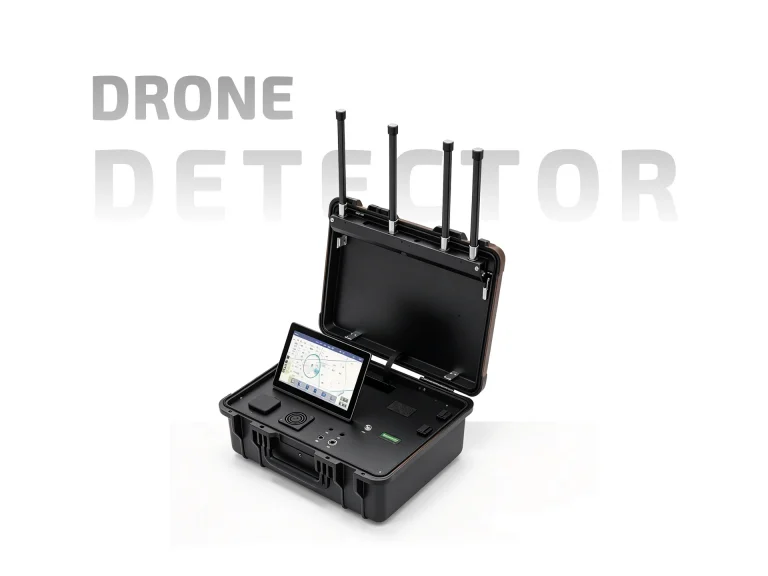
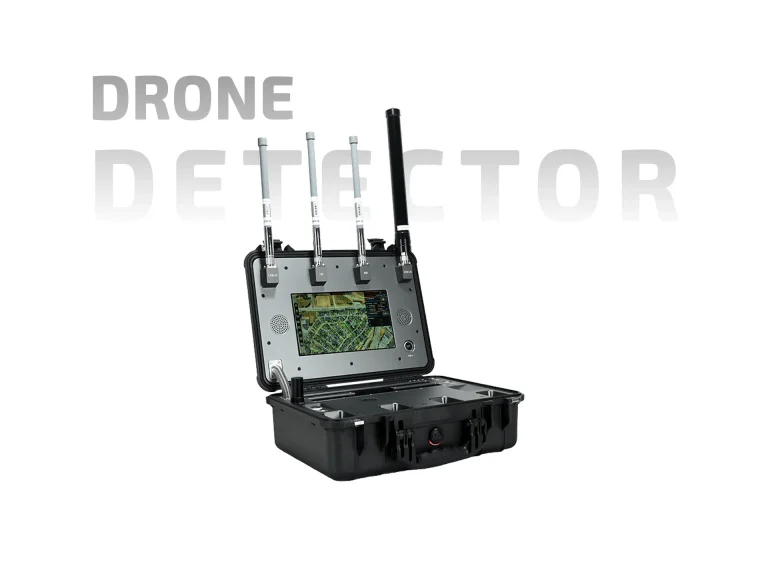
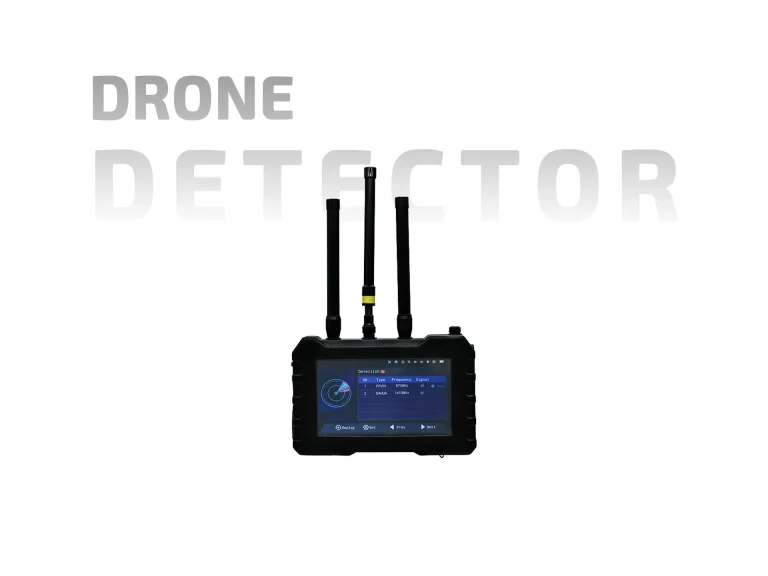
Portable drone detection equipment is often described as a smaller version of a fixed system. In practice, it is a different operational tool. Fixed detectors are designed for persistent coverage around a known site. Portable units are chosen for mobility, rapid setup, and temporary coverage—whether at a public event, an incident response, a construction site, or a remote inspection.
That difference matters during procurement. A portable detector that looks strong on a datasheet may prove awkward in the field if it is heavy, slow to deploy, or dependent on stable power and network access. The practical questions are usually about deployment, not raw detection range.

Where portable detection makes sense
Portable equipment fits three broad scenarios:
-
Temporary coverage: Events, VIP visits, or short-term construction sites where a fixed installation is impractical.
-
Gap filling: Areas that fixed sensors cannot see because of buildings, terrain, or changing site layouts.
-
Mobile response: Security teams that need to investigate an alert or establish detection at a new location quickly.
For permanent sites with stable coverage requirements, a fixed system is usually more cost-effective over time. Our fixed drone detector buyer’s guide explains how coverage geometry and alarm workflow differ from portable deployment.
Compare portable options by field constraints
Portable detection is not a single product category. Handheld RF units, transportable radar, and portable electro-optical kits solve different problems. The table below focuses on operational trade-offs rather than marketing specifications.
| Portable option | Typical use | Strengths | Field constraints |
|---|---|---|---|
| Handheld RF detector | Close-range patrols and alert verification | Lightweight, quick to deploy, good for locating common drone control links | Limited coverage, dependent on RF signature, may miss autonomous or pre-programmed flights |
| Transportable RF unit | Temporary site coverage and event security | Better range than handheld units, can be tripod-mounted | Requires power and setup time, RF clutter affects performance |
| Portable radar | Open-area detection and early warning | Detects moving targets and can provide track data | Higher weight and power demand, terrain and clutter can create false tracks |
| Portable EO/IR kit | Visual confirmation and evidence capture | Useful for identification and recording | Narrow field of view, needs operator skill, limited in poor visibility |
| Integrated portable kit | Rapid response and short-term deployments | Combines sensors and software in one transportable package | Higher cost, more training, setup and calibration still required |
No single option covers every scenario. Many teams combine a handheld RF unit for patrols with a transportable sensor for temporary coverage. The right mix depends on whether the priority is early warning, pilot location, visual confirmation, or evidence collection.
The hidden constraints: power, weight, and time
Portable systems are judged in the field by three practical limits. First, power: battery life and generator requirements determine how long coverage can last. Second, weight and transport: a unit that needs two people and a vehicle may be fine for event security but unsuitable for foot patrols. Third, setup time: calibration and network configuration can take longer than expected, especially at unfamiliar sites.
Weather also matters. Portable units are often deployed in temporary positions without hardened enclosures. Check IP ratings, operating temperature, and wind stability before assuming a tripod-mounted system will perform in rain or high wind.
Trial the workflow, not just the sensor
A field trial should test the full workflow: unpacking, setup, alert generation, classification, and reporting. Record how long each step takes and how many false alerts appear in a realistic RF environment. If the unit requires a laptop, network connection, or cloud account to operate, confirm that this is practical at the intended deployment location.
When portable is the wrong choice
Portable detection is not a substitute for permanent coverage. If a site needs 24/7 monitoring across a large perimeter, portable units will create staffing, power, and maintenance burdens. They are also less suitable for sites with strict cybersecurity requirements if the equipment relies on consumer-grade wireless links.
Final thought
The best portable drone detection equipment is the unit your team can actually deploy, power, and operate under field conditions. Start with the deployment scenario, test setup time and false-alert behavior, and compare the full cost of ownership. That approach keeps portable detection a practical capability rather than an expensive item that stays in its case.