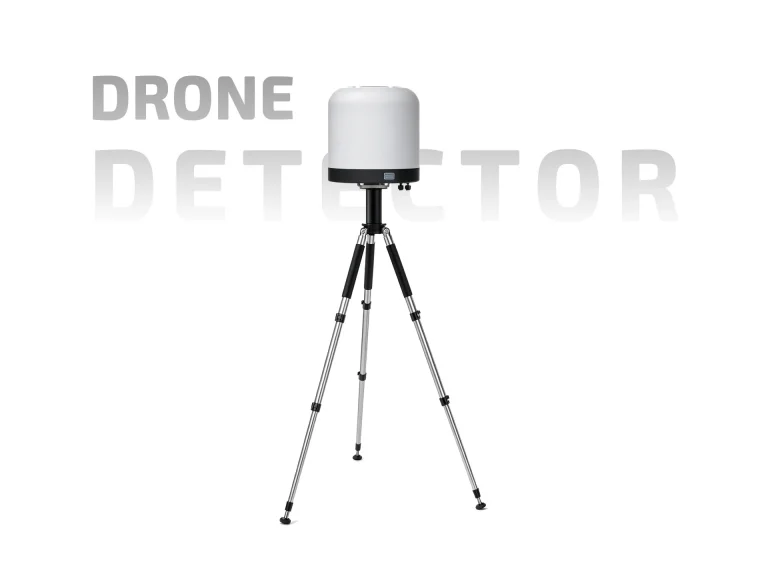
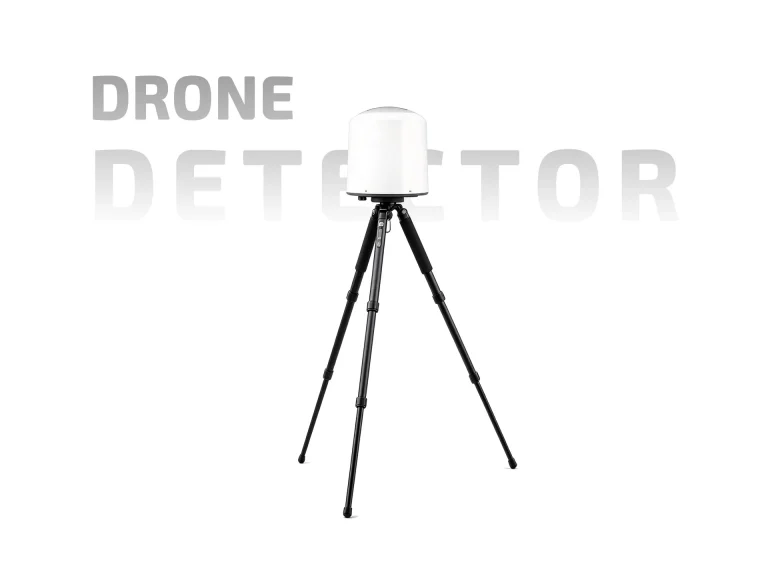
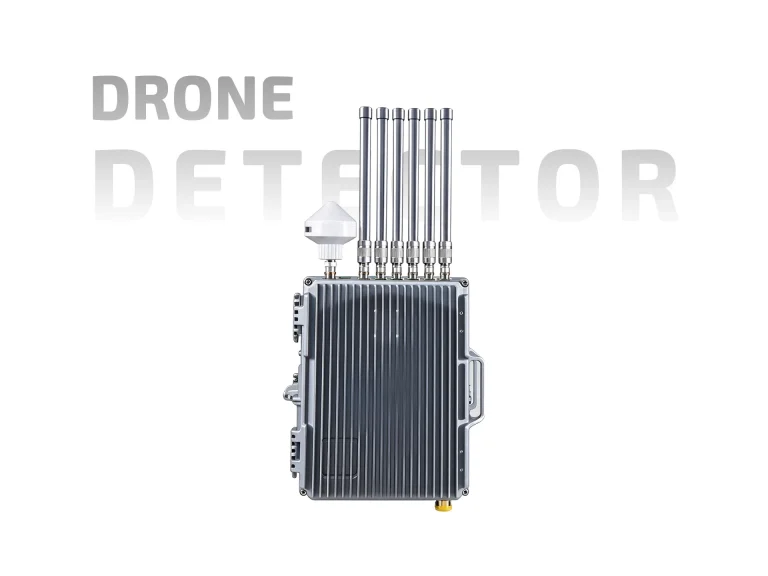
Security teams rarely buy drone detection as a standalone gadget. They buy time: time to verify an alert, locate the pilot, and decide whether to escalate. That is why a fixed drone detector for sale should be evaluated as part of a site’s operating workflow, not just as a hardware line item.
Fixed systems are installed at a known location and run continuously. They suit facilities that need persistent coverage—utilities, prisons, airports, industrial campuses, data centers, and public venues. Unlike mobile kits, fixed detectors are selected for coverage geometry, integration, and long-term maintenance.

Start with the site, not the spec sheet
A detector that performs well in an open field may struggle near metal structures, dense Wi-Fi, or high walls. Before comparing vendors, define the area you need to protect, the likely approach paths, and how alerts should reach security staff. For a fixed drone detector for sale, ask for a site survey and a coverage plan, not only a range figure.
What a fixed drone detector for sale should include
A practical procurement review usually covers five areas:
-
Detection method and coverage: RF, radar, electro-optical, or a layered mix.
-
Alarm quality: low false alarms and clear classification.
-
Integration: VMS, access control, PSIM, or command-and-control software.
-
Environmental fit: IP rating, wind load, temperature range, and mounting options.
-
Lifecycle support: firmware updates, spare parts, training, and service levels.
The table below turns those priorities into questions buyers can put to suppliers.
| Buyer priority | Why it matters | What to request |
|---|---|---|
| Coverage geometry | Range on a datasheet is not the same as usable coverage around buildings | Site-specific coverage map and mounting plan |
| Detection method | RF, radar, and optical sensors have different strengths and limits | Layered detection proposal with known limitations |
| Alarm workflow | Operators need actionable alerts, not raw data | Demo of alert queue, classification, and escalation rules |
| Integration | Detection must fit existing security operations | API documentation and tested integrations |
| Environmental rating | Outdoor units face rain, dust, heat, and vibration | IP rating, operating temperature, and warranty terms |
| Maintenance model | Fixed detectors need cleaning, calibration, and updates | Service schedule, remote diagnostics, and spare-part policy |
Compare ownership cost, not just purchase price
A fixed drone detector for sale may look competitive at the quotation stage, but the real cost includes installation, cabling, mounting hardware, software licenses, training, and annual maintenance. Ask for a three-year total cost of ownership. If a supplier cannot explain update frequency, false-alarm handling, and support response times, the lowest quote may not be the lowest cost.
Also clarify what “detection” means in the contract. Some systems alert only to drone radio frequencies; others combine radar and cameras. The right mix depends on whether you need early warning, pilot location, visual confirmation, or evidence capture.
Procurement checklist
Before issuing a purchase order, confirm:
-
The supplier has experience with your site type.
-
A live or recorded demo shows realistic alert volume.
-
The system can export logs for investigations.
-
Cybersecurity and data-retention policies are documented.
-
Installation does not create new physical or network vulnerabilities.
-
Staff training and acceptance testing are included.
Final thought
The best fixed drone detector for sale is the one that fits your site, your operators, and your budget over time. Start with a clear coverage requirement, test the alarm workflow, and compare total ownership cost. That approach turns a hardware purchase into a workable counter-UAS capability.