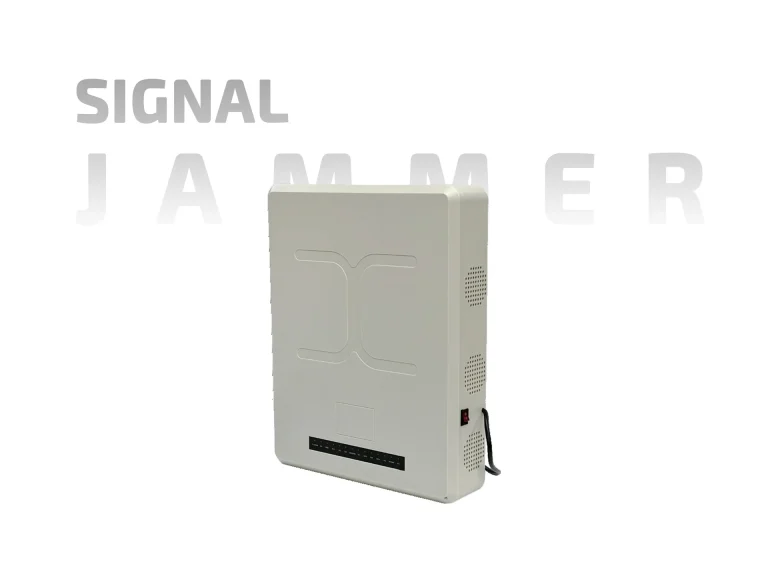
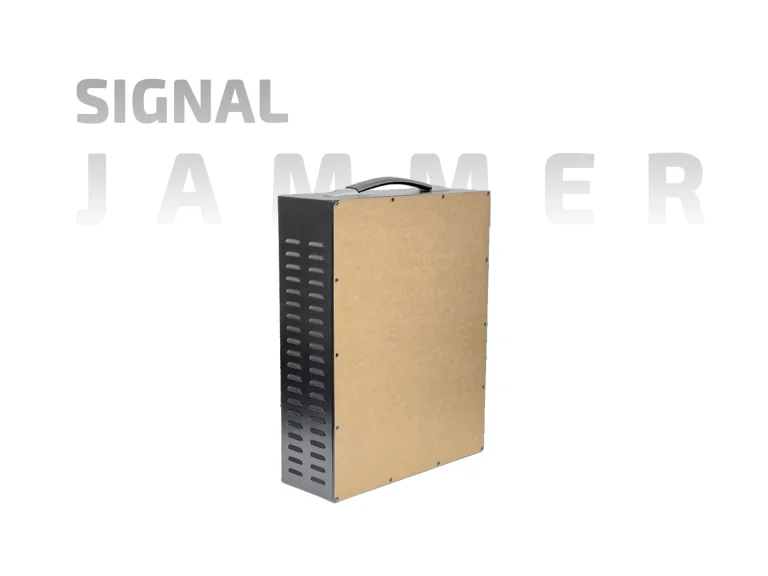
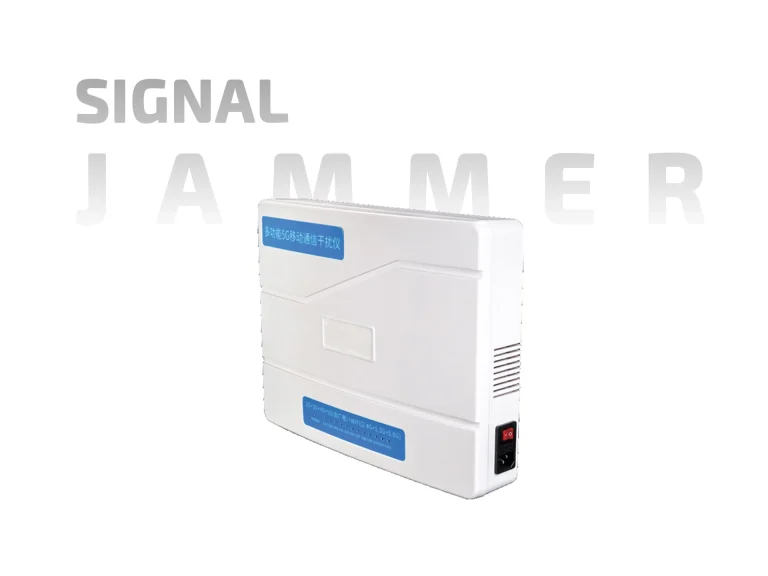
China is one of the largest sources of RF hardware, and searches for a “China medium power signal jammer” often reflect a sourcing question rather than a technical one. The challenge is not finding a listing; it is separating credible suppliers from resellers, verifying that specifications are real, and confirming that a transaction is lawful for the destination and end use. Because “medium power” has no universal definition, a Chinese supplier’s 50 W module and another’s 80 W enclosure may both carry the same label. Authorized buyers therefore need a sourcing process, not a product shortlist.
For pre-purchase verification, see Medium Power Signal Jammer for Sale: What Buyers Must Verify First.

The Chinese Supplier Landscape
The market is layered. Original equipment manufacturers design and build RF amplifiers and housings. Trading companies resell with limited technical depth. Integrators combine modules into finished systems. Each layer has different strengths, and the layer matters more than the province or the price.
| Supplier type | Typical strength | Typical weakness | What to verify |
|---|---|---|---|
| OEM / ODM factory | In-house RF design, custom bands | Minimum order quantities; less retail support | Factory audit, test reports, design documents |
| Trading company | Wide catalog, fast quotes | Limited engineering depth | Actual manufacturer identity and traceability |
| Integrator | Finished systems, enclosures, controls | Dependent on module suppliers | Sub-supplier list and integration testing |
| Module maker | Amplifier and board-level expertise | Not a complete product | Thermal and matching data at system level |
Specifications That Need Real Numbers
Chinese listings frequently emphasize total output while omitting per-band detail. A credible quotation should state output per frequency, bandwidth, antenna gain, duty cycle, and input power. Buyers should also ask whether the figures come from a datasheet, a bench measurement, or a marketing template.
| Specification | Common listing practice | What authorized buyers should request |
|---|---|---|
| Output power | One total figure | Per-band output and test conditions |
| Bandwidth | “Full band” claim | Exact frequency ranges and filters |
| Antenna | Optional or unspecified | Gain, pattern, connector type |
| Duty cycle | Rarely stated | Continuous rating at stated ambient |
| Input power | Often omitted | Measured draw and supply requirements |
| Cooling | Brief mention | Heat sink, airflow, and derating data |
| Documentation | Basic manual | Test report, block diagram, compliance statement |
Export, End-Use, and Destination Checks
A purchase from China involves at least two regulatory layers: Chinese export rules and the import and use rules of the destination country. Jamming devices are restricted in many jurisdictions, and some destinations prohibit import outright. Authorized buyers should confirm the end user, the end use, and the destination before payment, and should expect a serious supplier to ask the same questions. A supplier that promises “no customs problems” without documentation is a warning sign, not a convenience.
| Check | Why it matters | Evidence to obtain |
|---|---|---|
| Destination import rules | Some countries restrict or ban the category | Written legal guidance for the destination |
| End-use statement | Separates authorized from unauthorized applications | Signed end-use declaration |
| Export classification | Determines licensing requirements | Supplier’s export documentation |
| End-user identity | Prevents diversion | Verified purchaser records |
| Labeling and manuals | Supports lawful handling | Destination-language documentation |
Common Claims and What They Really Mean
| Claim in listings | Realistic interpretation |
|---|---|
| “Military grade” | Marketing language; ask for test standards |
| “Full band coverage” | Often a wide, inefficient sweep; verify per-band data |
| “100% original factory” | Verify factory audit and business license |
| “No customs risk” | Not a guarantee; compliance is the buyer’s responsibility |
| “CE/FCC certified” | Ask for the certificate scope and issuing body |
| “Medium power, best balance” | A category label, not a measured specification |
A Sourcing Sequence That Reduces Risk
A disciplined process moves from compliance to engineering to commercial terms. First, confirm that the destination and end use are lawful. Second, shortlist suppliers by capability rather than catalog size. Third, request per-band specifications and test documentation. Fourth, audit the factory or use a third-party inspection. Fifth, agree on acceptance testing and warranty terms. This sequence costs time but prevents the two worst outcomes: an unusable device and a legal problem.
The Bottom Line
Sourcing a China medium power signal jammer is a compliance and verification exercise, not a bargain hunt. The label is loose, the supplier landscape is layered, and export and destination rules apply regardless of wattage. Authorized buyers who verify factory identity, demand per-band data, and document end use will make safer and more defensible decisions than those who shop by price and headline wattage.