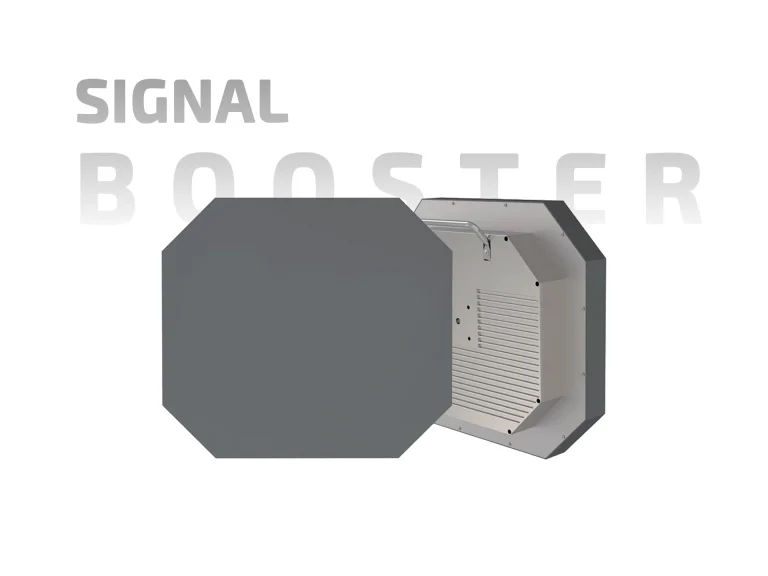
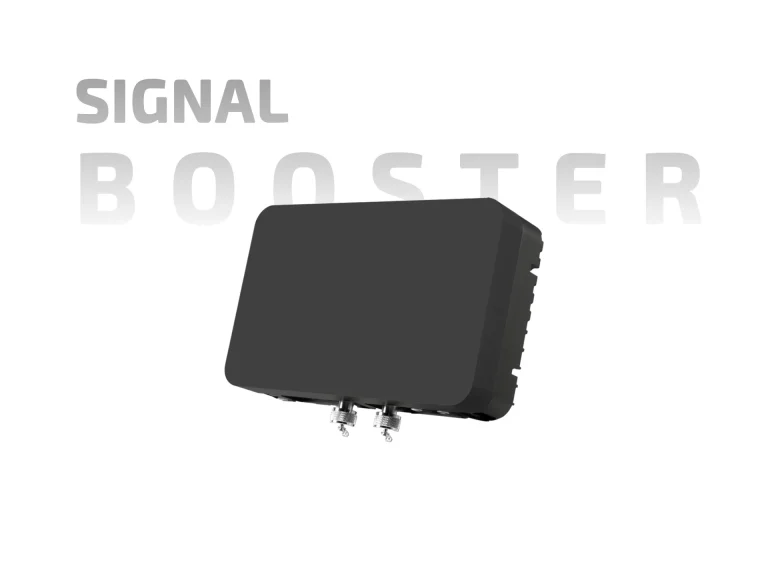
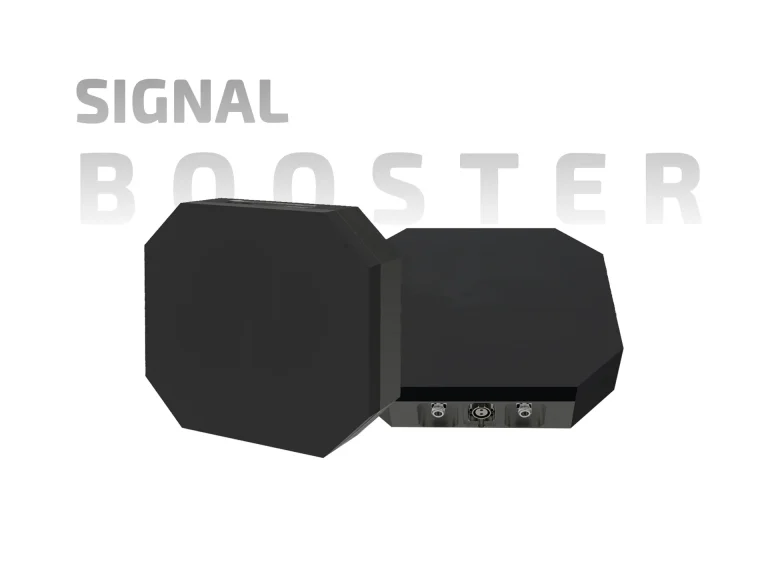
A shopper searching for a signal amplifier price often finds a confusing spread: a few hundred dollars for a consumer kit, several thousand for a commercial multi-antenna system. The gap is not simply brand markup. It reflects donor signal conditions, band coverage, amplifier class, cable runs, installation labor, and compliance. The sticker is only one line in the real budget.

The sticker price is rarely the installed price
A consumer kit may include an amplifier, donor antenna, service antenna, and short coax cable. A completed installation may also need a mast, grounding, weatherproofing, cable routing, labor, and commissioning tests. Commercial projects usually add a site survey and system design. When comparing quotes, compare scope—not just the hardware box.
| Price component | What affects it | Budget implication |
|---|---|---|
| Amplifier | Band count, output power, automatic gain control, certification | Multi-band and higher-power units cost more |
| Donor antenna | Directional vs. omnidirectional, gain, weather resistance | A better donor antenna can improve isolation and reduce rework |
| Service antennas | Coverage zones and indoor layout | More zones mean more antennas and cable |
| Coax or fiber feed | Run length, signal loss, connector quality | Low-loss cable and fiber raise material cost |
| Installation | Roof access, mast work, grounding, labor | Difficult sites increase labor |
| Design and compliance | Survey, registration, commissioning | Professional design adds upfront cost but lowers risk |
If you are still deciding where to mount the donor antenna, review this Outdoor Signal Amplifier: A Practical Buyer’s Guide. Placement affects both performance and installation cost.
Relative budget tiers
| Tier | Typical use | What the price buys | Main watch-out |
|---|---|---|---|
| Entry consumer | Single room or small home | Basic kit, short cable, limited band coverage | May not cover a whole house; verify certification |
| Prosumer or small office | Cottage, shop, small office | Better donor antenna, AGC, longer cable runs | Isolation and installation still determine results |
| Commercial | Warehouse, clinic, multi-zone building | Multi-antenna design, fiber feed, commissioning | Survey and compliance are not optional |
| Custom or operator-coordinated | Large or difficult sites | Sectorized donor, remote units, monitoring | Longest lead time and highest design cost |
Higher price does not automatically mean better coverage. A mid-range system with correct antenna placement and good isolation can outperform an expensive amplifier installed badly.
Hidden costs to budget for
| Hidden cost | Why it appears | How to control it |
|---|---|---|
| Site survey | Prevents wrong antenna choice and false coverage promises | Combine it with the installation quote |
| Mast or roof mount | Donor height and safe access | Confirm structural and access requirements early |
| Grounding and surge protection | Electrical code and weather resilience | Include it in the written scope |
| Cable routing | Long runs, fire-rated paths, aesthetics | Measure before requesting quotes |
| Commissioning | Verifies isolation, signal quality, and coverage | Require test results, not just “it works” |
| Compliance or registration | Legal operation and network protection | Check before purchase |
How to compare quotes without getting fooled
Ask each supplier for the same deliverables: band-level donor measurements, antenna separation plan, cable schedule, grounding details, commissioning results, and warranty terms. A low quote that skips the survey or grounding is not a like-for-like price. It is an incomplete scope.
Bottom line
Signal amplifier price should be judged as an installed system cost per covered zone, not as a product sticker. Start with measurement, plan isolation, verify compliance, and then choose equipment. The best-value system is the one that delivers stable coverage without repeated callbacks.