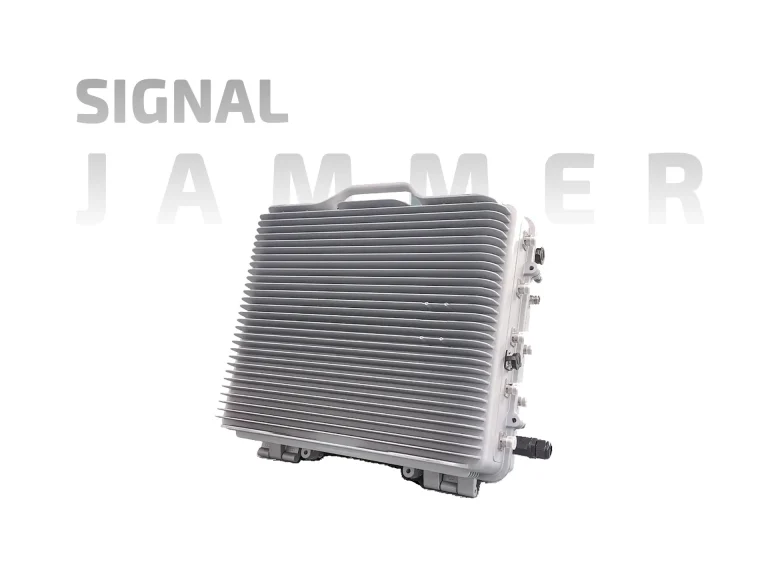
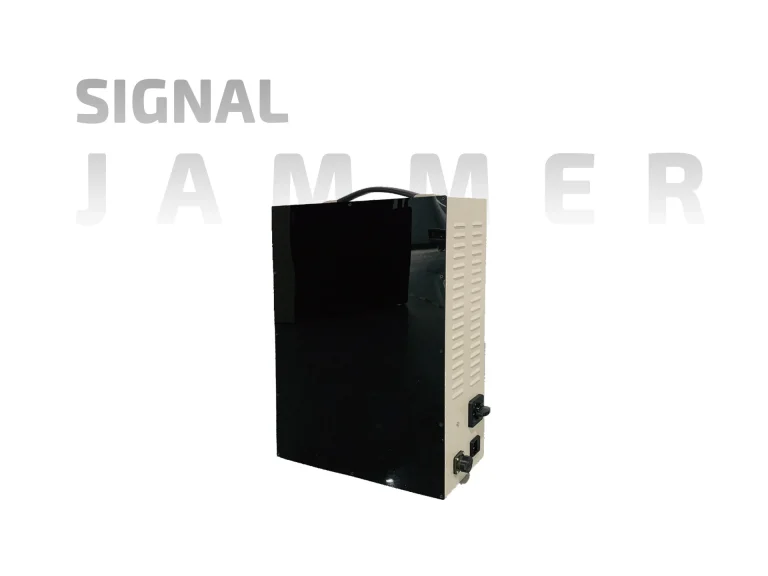
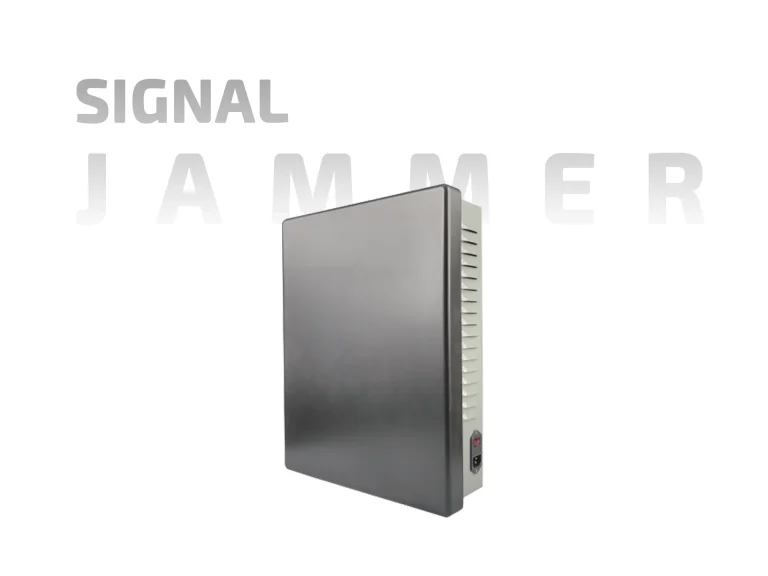
The phrase “high power jammer power vs range” captures a question that comes up in almost every RF planning discussion: if a jammer has more power, will it reach farther? The short answer is yes—but far less predictably than most people expect. Power is only one variable in a link budget. Antenna gain, frequency, bandwidth, terrain, and the sensitivity of the target receiver can easily outweigh a raw wattage increase. Treating power and range as a one-to-one relationship is the most common planning error in this field.
Two companion pieces are useful here. The receiver-side physics are covered in How Does a Signal Jammer Work? RF, GPS, WiFi and Cellular Explained, while the electrical and thermal costs of high output are addressed in High Power Jammer Power Consumption Explained.

Why Power and Range Do Not Scale Together
In free space, signal strength falls off with the square of distance, which means quadrupling power only roughly doubles the distance to a given interference level. Real environments are harsher. Walls, ground reflections, foliage, and antenna pattern nulls add loss that no amplifier can recover. The result is a curve of diminishing returns: the first few watts make a visible difference, while large power increases produce modest range gains and a disproportionate rise in heat and cost.
| Power change | Ideal free-space range change | Typical real-world outcome |
|---|---|---|
| 2× output | About 1.4× distance | Noticeably less; obstacles absorb gains |
| 4× output | About 2× distance | Often well under 2×; heat and siting dominate |
| 10× output | About 3.2× distance | Rarely achieved in cluttered sites |
| Output matched to antenna gain | Not a wattage change | Frequently beats brute-force power |
The Variables That Override Raw Power
Before adding watts, authorized teams should examine the factors below. In many sites, improving one of them delivers more coverage than a power upgrade.
| Variable | Direction of effect | Practical move |
|---|---|---|
| Antenna gain | Higher gain concentrates energy toward the target | Use directional antennas where appropriate |
| Antenna pattern nulls | Nulls leave coverage gaps regardless of power | Map the pattern before choosing placement |
| Frequency | Lower bands penetrate better; higher bands lose more to obstacles | Match band choice to the site |
| Bandwidth | Wider bands spread the same energy thinner | Narrow the band when the target is known |
| Receiver sensitivity | Sensitive receivers are disrupted at lower levels | Identify the actual target device |
| Legitimate signal strength | Strong wanted signals resist interference | Measure the ambient signal floor first |
| Cable and connector loss | Loss at the feed reduces radiated power | Short, low-loss feeds pay for themselves |
The Hidden Costs of Choosing Power
Increasing output is not a free adjustment. Each step up in wattage brings consequences that can undermine the very coverage the operator is trying to achieve.
| Consequence | Mechanism | Why it matters for range |
|---|---|---|
| Heat buildup | Amplifier losses rise with output | Derating or shutdown can shrink effective uptime |
| Power draw and supply limits | Higher input current and breaker demand | Site power may cap usable output |
| Wider collateral footprint | More energy reaches unintended receivers | Raises legal and safety exposure |
| Battery runtime | Higher draw drains stored energy faster | Portable deployments lose endurance |
| Cooling and enclosure needs | Larger heat sinks and airflow required | Heavier, less flexible installations |
A Smarter Way to Frame the Trade-Off
Instead of asking how much power is needed, authorized teams can work backward from the target. Define the protected zone, measure the legitimate signal level at its edge, estimate the required jamming margin, and then calculate the antenna and power combination that reaches it. This approach often reveals that placement and antenna selection matter more than the amplifier rating. It also keeps the plan inside legal and thermal limits.
The Practical Answer
High power signal jammer power vs range is not a linear trade. Power sets a ceiling on what is possible, but antenna design, frequency choice, site conditions, and receiver behavior decide how much of that ceiling is realized. Authorized teams get more from careful measurement and placement than from bigger amplifiers—and they keep compliance and containment in view at every step.