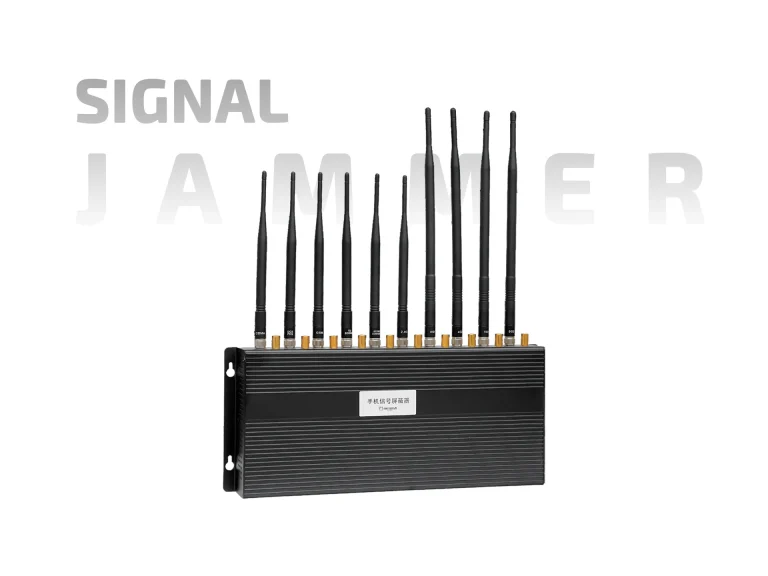
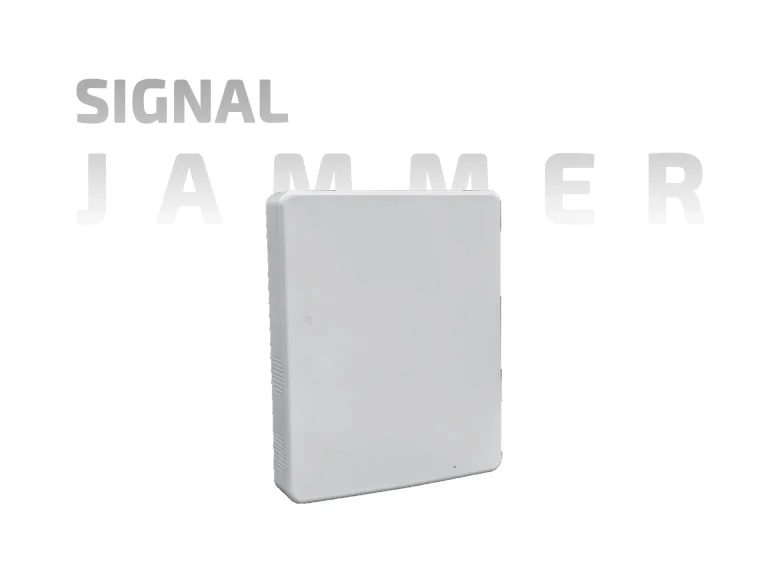
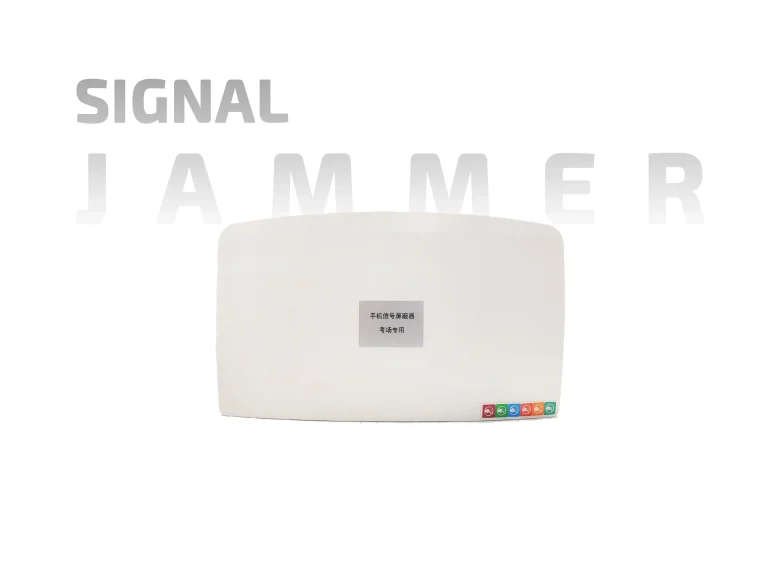
The phrase “low power cell phone jammer” sounds modest, almost harmless. A small device, a short range, a quiet effect—surely that is less problematic than a high power unit? In legal and safety terms, the opposite is often true. A low power cell phone jammer is still a device that interferes with licensed mobile spectrum. It can still block emergency calls, disrupt nearby handsets, and create liability for the operator. The reduced output changes the scale of the effect, not the nature of it.
For the broader class comparison, see High Power vs Low Power Signal Jammer: Which Fits?. For the receiver-level explanation of how any jammer affects a handset, see How Does a Signal Jammer Work? RF, GPS, WiFi and Cellular Explained.

Why “Low Power” Does Not Mean Low Risk
A mobile handset is designed to work with very weak signals from a distant base station. That sensitivity is what makes cellular service possible—and it is also what makes handsets vulnerable to relatively modest interference. A low power device operating close to a phone can therefore cause a disproportionate effect. The relevant question is not the jammer’s wattage but the interference level at the handset’s receiver.
| Factor | Why it matters for a cell phone jammer | Common misunderstanding |
|---|---|---|
| Proximity to handsets | Close range amplifies the effect on individual phones | “Low power means it cannot reach anyone” |
| Downlink signal strength | Weak coverage areas are easier to disrupt | “It only works in strong signal areas” |
| Band selection | Targeting one band may leave others unaffected | “It blocks all cellular service equally” |
| Emergency call access | Even brief disruption can affect urgent calls | “A short range keeps it safe” |
| Collateral coverage | Nearby users may be affected unintentionally | “Only the target phone is impacted” |
The Legal Reality in Most Jurisdictions
Cellular spectrum is licensed, and interference with licensed services is tightly controlled in most countries. In many jurisdictions, operating a cell phone jammer is illegal outside narrowly authorized government, military, or laboratory settings—regardless of output power. A low power label does not create an exemption. Buyers should treat any consumer-facing listing for a cell phone jammer with suspicion, because the legal basis for personal use is usually absent.
| Jurisdiction type | General stance on cell phone jammers | Practical implication |
|---|---|---|
| Many national regulators | Prohibited for private use | Possession or operation may carry penalties |
| Government and defense | Authorized under strict conditions | Formal procurement and oversight required |
| Laboratory and research | Permitted only in shielded or licensed facilities | Containment and documentation are essential |
| Venues and facilities | Usually no legal basis for open-air use | Policy and infrastructure alternatives preferred |
| Individual consumers | Frequently restricted or banned | Verify local law before any purchase |
What Low Power Cellular Jamming Is Sometimes Used For
In authorized settings, low power cellular interference may appear in controlled testing and research. It is not a general-purpose tool for offices, classrooms, or public venues. The table below distinguishes plausible authorized contexts from common but unsupported ones.
| Context | Plausible authorized use | Why it is limited |
|---|---|---|
| Shielded lab testing | Studying handset behavior under interference | Requires a Faraday enclosure or equivalent |
| Equipment evaluation | Verifying receiver robustness | Must be contained and documented |
| Government-authorized operations | Specific, legally mandated scenarios | Subject to formal oversight |
| Classroom or exam security | Often proposed, rarely lawful | Legal basis usually absent |
| Office productivity policy | Sometimes proposed by employers | Policy and network controls are the proper tools |
| Public venue management | Occasionally suggested | High risk to emergency communications |
Signal Management Alternatives That Actually Work
For most organizations, the goal behind a cell phone jammer is not interference for its own sake. It is control: limiting phone use in a specific area, protecting sensitive conversations, or reducing distraction. Those goals are usually better served by policy, physical design, and network management than by RF interference.
| Objective | Better-aligned approach | Why it beats jamming |
|---|---|---|
| Reduce phone use in meetings | Policy, signage, phone-free zones | No legal exposure, no collateral effect |
| Protect sensitive discussions | Acoustic shielding, secure rooms | Addresses the actual risk |
| Manage classroom distraction | Clear rules and device storage | Enforceable and lawful |
| Limit network access | Managed WiFi, device policies | Targeted and auditable |
| Prevent unauthorized recording | Procedural controls and detection | Does not disrupt emergency services |
Questions to Ask Before Considering Any Device
Authorized teams should confirm the legal basis, the exact bands involved, the containment method, and the impact on emergency calls. They should also verify whether the objective can be met without RF interference at all. In most cases, the answer is yes—and the alternative is safer, cheaper, and lawful.
The Takeaway
A low power cell phone jammer is not a gentle consumer device. It interferes with licensed mobile spectrum, can affect emergency communications, and is unlawful for private use in many jurisdictions. The small form factor and modest output do not change that reality. Organizations seeking control over phone use should start with policy, design, and network management—and treat jamming as a narrowly authorized exception, not a practical solution.