Event screening is a different discipline from permanent checkpoint security. The venue may be a stadium, arena, festival field, conference center, or temporary structure. Ingress is compressed into a narrow window, the workforce may be a mix of contract staff and venue employees, and the public arrives in unpredictable surges. Under those conditions, a screening plan succeeds or fails at the lane level—not in a vendor brochure.
This article focuses on the three operational levers event organizers control most directly: bag check procedures, walk-through detector configuration, and staffing models. The aim is a repeatable ingress plan that can be scaled from a single entrance to a multi-gate site.

Why event screening needs its own plan
Fixed facilities can spread screening across shifts and adjust gradually. Events cannot. Most attendees arrive within a short peak, and a single slow lane can create a visible crowd issue outside the gate. Temporary sites also introduce variables that permanent checkpoints do not face: uneven ground, limited power, changing weather, and staff who may be working their first event of the season.
Three constraints should shape the plan from the start:
-
Peak ingress, not total attendance. A 20,000-person event may process most attendees in a 90-minute window.
-
Lane balance. One undersized lane can undermine an otherwise adequate screening operation.
-
Public expectations. Attendees tolerate screening when the process is clear, consistent, and reasonably quick; confusion and inconsistent rules slow lanes down.
Map the ingress flow before selecting equipment
A common mistake is to order detectors and then design the queue around them. Reverse the sequence. Walk the site and map the full attendee path: approach, ticket check, bag check, detector lane, secondary screening, and venue entry. Identify where queues can form, where they cannot be allowed to block roads or emergency access, and where a secondary screening area can be placed without creating a bottleneck.
The lane plan should answer four questions:
-
How many screening lanes are needed at peak?
-
Which lane types are required—bag check only, detector only, or combined?
-
Where does an attendee go if an alarm cannot be resolved at the lane?
-
How do staff communicate across lanes when one lane slows down?
Only after those questions are settled should the equipment list be finalized.
Bag check procedures that hold up under pressure
Bag check is often the slowest part of event ingress because it depends on human judgment and physical handling. A workable procedure defines what is checked, how it is checked, who can authorize an exception, and how prohibited items are handled. Consistency matters more than speed alone; attendees who see different rules at adjacent lanes will question the process and slow it down.
| Bag check method | Best suited to | Advantages | Operational risks |
|---|---|---|---|
| Manual inspection at a table | Smaller events, limited space, low-to-medium volume | Low equipment cost; flexible; easy to scale with staff | Slow per bag; inconsistent if staff are not trained; privacy and handling concerns |
| X-ray screening with manual resolution | Larger events, enclosed venues, higher throughput | Faster primary check; clear images; familiar to many attendees | Equipment footprint and power; operator training; alarms still require manual resolution |
| “Show and open” procedure | Low-risk events with clear public communication | Simple and transparent; attendees participate in the process | Limited detection capability; relies on compliance; inconsistent enforcement |
| Hybrid lane: X-ray plus selective manual check | High-volume events with mixed bag types | Balances speed and physical inspection; scalable by lane | Requires clear triage rules; staffing must match both X-ray and manual roles |
A written bag check procedure should cover prohibited and restricted items, the handling of medical equipment and religious items, privacy considerations, and the process for refused entry. Staff should practice the procedure before doors open, including how to pause a lane when a bag requires deeper inspection.
Walk-through detectors: configuration and alarm resolution
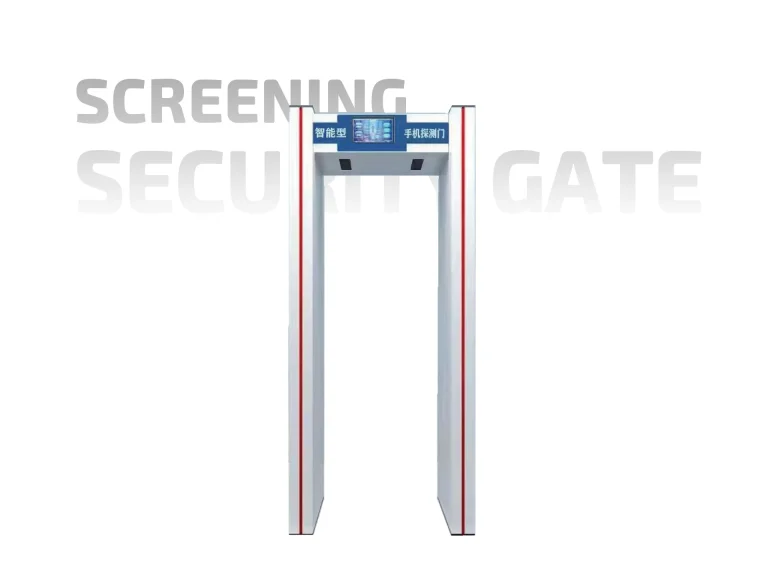
Walk-through metal detectors (WTMDs) are common at events because they offer a fast primary screen for people. Their effectiveness depends on placement, calibration, and a clear alarm-resolution routine. A detector that alarms constantly because of phones, keys, or belt buckles will slow the lane and erode attendee confidence.
| Detector configuration | Typical use | Throughput considerations | Key checks |
|---|---|---|---|
| Standard WTMD lane | General admission entrances | Fast when attendees remove metal items before entering | Sensitivity setting; test piece checks; queue discipline |
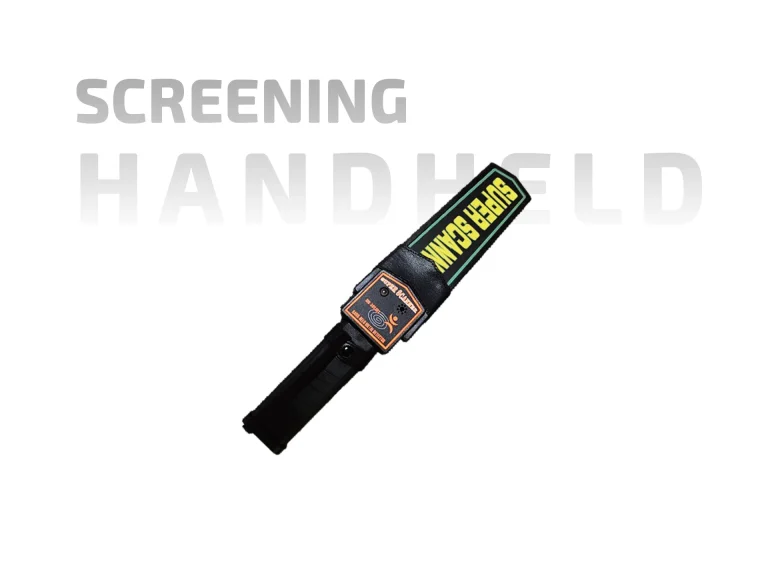
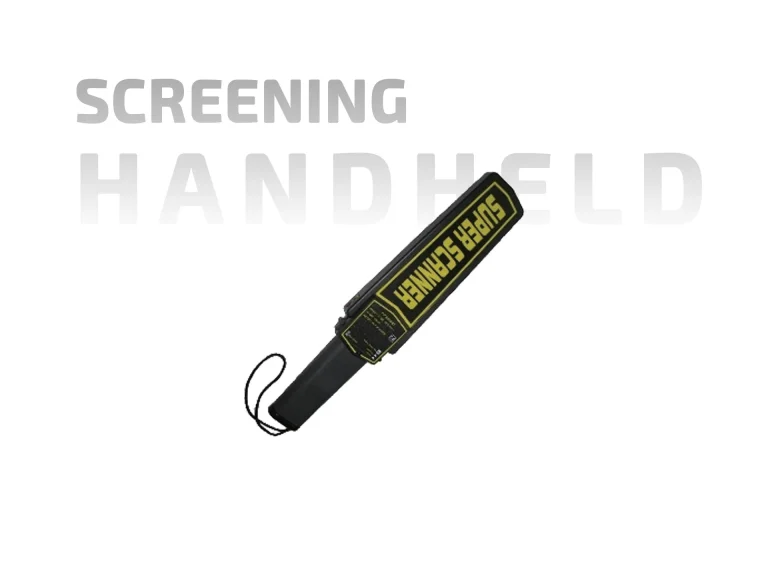
| WTMD plus handheld detector | Venues with mixed risk or older equipment | Handheld follow-up adds time per alarm | Alarm resolution script; staff positioning; privacy |
| Multiple WTMDs per bag lane | High-volume gates | Increases people throughput but needs lane space | Lane balance; supervisor span; secondary area capacity |
| WTMD with pre-screening signage | Large public events | Reduces avoidable alarms if instructions are clear | Sign clarity; staff repetition; accessible communication |
Detector sensitivity should be set against the event’s risk assessment and tested with representative items before doors open. Organizers should also plan for attendees who cannot pass through a standard detector, including people using wheelchairs or medical devices. That procedure should be written and briefed, not improvised at the lane.
For a plain-language explanation of what the underlying technologies measure and where their limits sit, see how X-ray, CT, AIT and trace detection work together.
Staffing models: match people to lane demand
Event screening staffing is often planned by headcount when it should be planned by lane role. A lane needs a greeter, a bag checker, a detector operator, and a resolution or supervisor role. If any of those roles is missing, the lane will either slow down or rely on staff working outside their brief.
| Staffing model | Suitable event profile | Strengths | Watch-outs |
|---|---|---|---|
| Fixed lane teams | Predictable ingress; enclosed venue | Clear roles; consistent supervision; easier briefing | Less flexible if arrival patterns shift |
| Flexible pool with roving supervisors | Festivals, multi-gate sites, variable arrival | Can rebalance lanes as queues form | Requires strong radio discipline and clear authority |
| Contractor-led teams with venue oversight | Large events using specialist providers | Rapid scaling; familiar with event tempo | Induction and procedure alignment must be verified |
| Mixed in-house and contract teams | Venues with permanent security staff | Combines local knowledge with surge capacity | Role clarity and consistent rules across teams |
Two staffing ratios deserve attention. First, supervisor span: a supervisor who cannot see and reach their lanes will not be able to resolve alarms quickly. Second, relief and rotation: screening is repetitive work, and fatigue affects detection and courtesy. Build breaks into the plan before doors open, not after queues appear.
Integrate bags, detectors, and staff into one lane plan
The three elements only work when they are designed together. A combined lane might flow as follows:
-
Greeter checks tickets and gives clear instructions about removing metal items and opening bags.
-
Bag checker inspects bags using the agreed method and tags bags that need secondary review.
-
Detector operator manages WTMD pass-through and directs alarms to a marked resolution point.
-
Resolution staff handle alarms, secondary bag checks, and prohibited-item decisions.
-
Supervisor monitors lane balance, authorizes exceptions, and calls for additional staff when a lane slows.
This sequence should be tested during a pre-event walk-through with realistic bags and representative metal items. The test should include at least one deliberate alarm and one bag requiring secondary inspection.
Metrics to review after the event
Event screening plans improve when organizers measure the ingress, not just the outcome. Useful metrics include:
-
Average and peak wait time per gate
-
Attendees processed per lane per hour
-
Alarm rate and average resolution time
-
Bag check secondary rate
-
Staffing levels versus lane demand by time block
-
Incidents involving prohibited items or refused entry
A post-event review should separate equipment issues from procedure and staffing issues. That distinction prevents organizers from buying new equipment when the real problem was lane design or briefing quality.
Bottom line for event organizers
Event security screening is a lane-management problem as much as a technology choice. Write bag check procedures that staff can apply consistently, configure walk-through detectors around realistic alarm resolution, and staff by lane role rather than headcount alone. Test the full ingress flow before doors open, measure performance by gate and time block, and adjust the plan for the next event. That approach gives organizers a screening operation that is faster, more consistent, and easier to defend to attendees, contractors, and venue partners.