Project Background and Pain Points
A security company in Tangshan provides event screening, factory gate checks, and mobile patrol services. Over the past two years, its handheld metal detector pool had become a patchwork of old models. Guards complained about the weight. Supervisors complained about inconsistent sensitivity. Clients complained about slow lines.
The company’s operations team had a simple goal: find one handheld detector that could be used across all contracts without retraining every guard. The old units had three main problems.
First, battery life was unpredictable. Some units ran out in the middle of an eight-hour event shift, forcing guards to swap batteries or share spare wands. Second, false alarms from belts, coins, and work tools were high. Guards were doing too many unnecessary secondary checks, which slowed entry and caused friction with visitors. Third, sensitivity settings varied from unit to unit. A setting that worked at a concert venue was too sensitive at a factory gate, and there was no easy way to standardize.
The company also wanted a detector that could work in noisy halls and quiet exam rooms. Audio alarms alone were not enough. The unit needed a vibration mode and a clear visual indicator.

Procurement and Equipment Specifications
The company purchased 100 handheld metal detectors.
| Product | Model | Quantity |
|---|---|---|
| Handheld Metal Detector | ETLD-HMD3A1 | 100 |
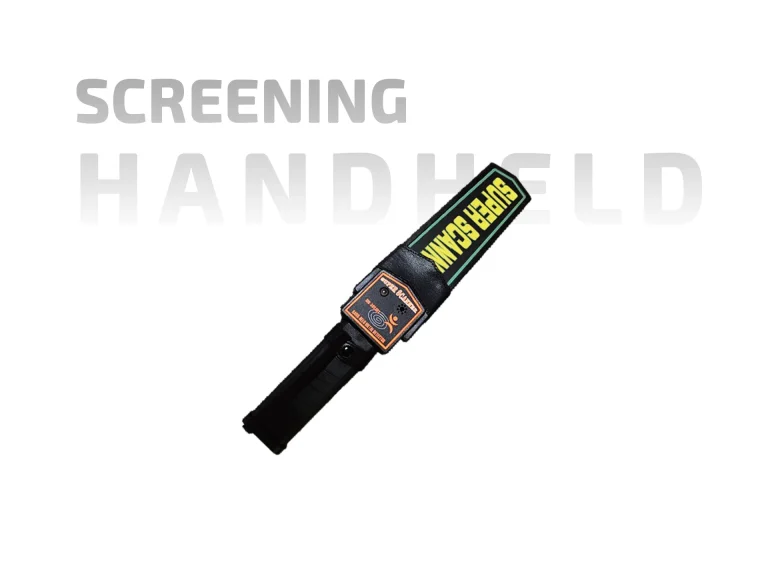
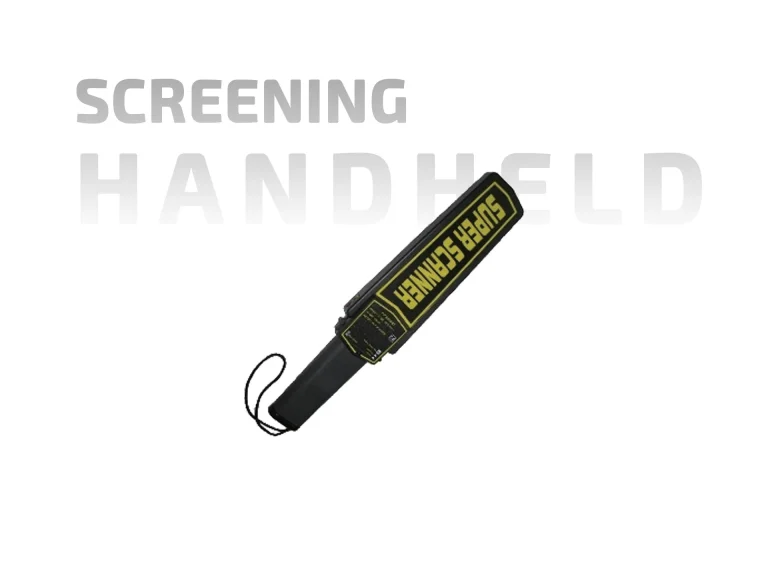
The ETLD-HMD3A1 handheld metal detector is a portable scanner with adjustable high and low sensitivity. At peak performance, it detects a standard 20mm steel ball from 5cm or more. It offers two alarm modes: synchronized sound and light, or a discreet vibration alert. Power comes from a standard 9V battery (6F22ND), with an optional external charger. The low-power design supports up to 40 hours of continuous operation. The unit weighs 360g and measures 41cm x 8.5cm x 4.5cm. It operates from -5°C to 55°C and has passed certification by the Ministry of Public Security Safety and Police Electronic Product Quality Testing Center.
Deployment and Real-World Results
The 100 units were distributed across two event venues, three factory gates, one exhibition hall, and several patrol teams. Guards received a short training session on sensitivity adjustment, scanning technique, and battery checks. The company ran a four-week trial and compared the new units with its previous mixed inventory.
| Metric | Before Standardization | After ETLD-HMD3A1 |
|---|---|---|
| Unit weight | 390–460g (mixed models) | 360g |
| Battery life in normal use | 4–6 hours on several units | 5–7 shifts per 9V battery |
| False alarm rate at event screening | About 30–35% | About 12–16% |
| Average secondary check time | 22–30 seconds | 10–14 seconds |
| Mid-shift unit swaps per 100 guards | 14–18 | Fewer than 5 |
At the event venues, guards used the vibration mode during loud concerts and the sound-and-light mode at quieter entrances. The adjustable sensitivity helped reduce alarms from belts and zippers while still catching smaller items such as box cutters. At factory gates, supervisors liked that the same baseline setting worked across shifts, which made random checks more consistent and reduced disputes with employees.
Battery performance held up well. Under normal use of roughly 250–400 scans per shift, most units completed five to seven shifts on one 9V battery. The company no longer needed to issue spare batteries to every guard, and mid-shift swaps dropped sharply. The 360g weight also reduced fatigue during long event days.
During the trial, several units were dropped on concrete and continued to work normally. Guards stored units in vehicles overnight, and the detectors started without issues within the -5°C to 55°C range. The certification also helped when clients asked for proof that the equipment met recognized security standards.
Project Value
Standardizing on the ETLD-HMD3A1 gave the company one predictable tool for all screening contracts. Training became simpler, spare batteries were easier to manage, and supervisors could set a common sensitivity baseline. The dual alarm modes made the same unit suitable for noisy venues and quiet settings. The long battery life and lighter weight improved guard comfort and reduced interruptions.
For clients, the result was faster screening and fewer unnecessary secondary checks. For the security company, the equipment pool became easier to maintain and plan for. Future expansion is straightforward: additional units can be ordered as new contracts start, and the same model can be paired with walk-through gates for secondary screening or used alone for mobile patrols and temporary events.
Conclusion
The Tangshan security company’s handheld metal detector procurement project solved a practical operational problem. By purchasing 100 ETLD-HMD3A1 units, the company improved battery life, reduced false alarms, and gave its guards a lighter, more consistent screening tool. The project is a useful reference for security firms looking to standardize front-line equipment across multiple venues and contract types.