Two quotes for “a security screening system” can differ by a factor of fifty and both be legitimate. One may describe a pair of walk-through detectors and a manual bag table. The other may describe a networked CT lane with automated detection, integration, training, and a multi-year service agreement. The price gap is not random—it tracks scope, technology, and operating requirements.
This guide breaks the market into realistic price tiers and explains what pushes a project from one tier to the next. Figures are indicative ranges for planning discussions, not vendor quotations.

First, separate equipment price from system price
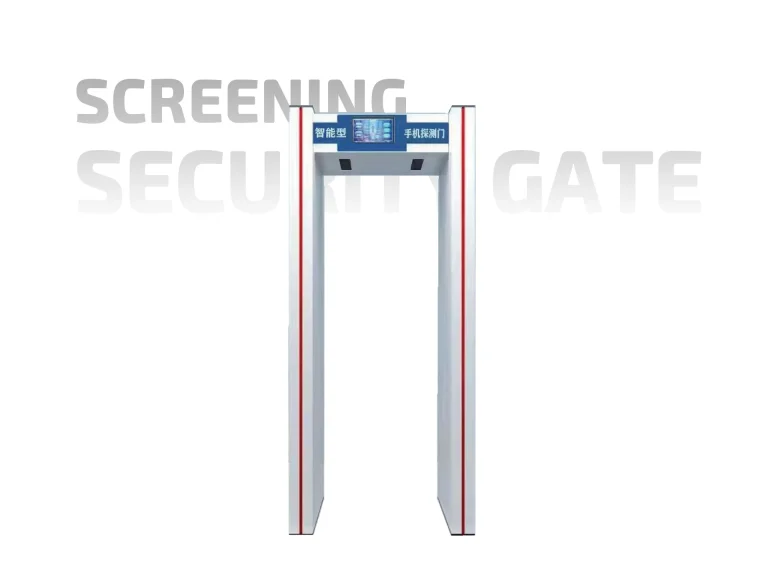
A single walk-through metal detector may cost a few thousand dollars. A complete screening lane includes the detector, bag handling, secondary screening space, signage, power, network, training, and service. A “system” price should cover the lane, not just the box. Buyers who compare only unit prices often discover the gap later, when installation and integration costs arrive.
The four price tiers
| Tier | Indicative range | What it typically includes | Common use cases | Main cost drivers |
|---|---|---|---|---|
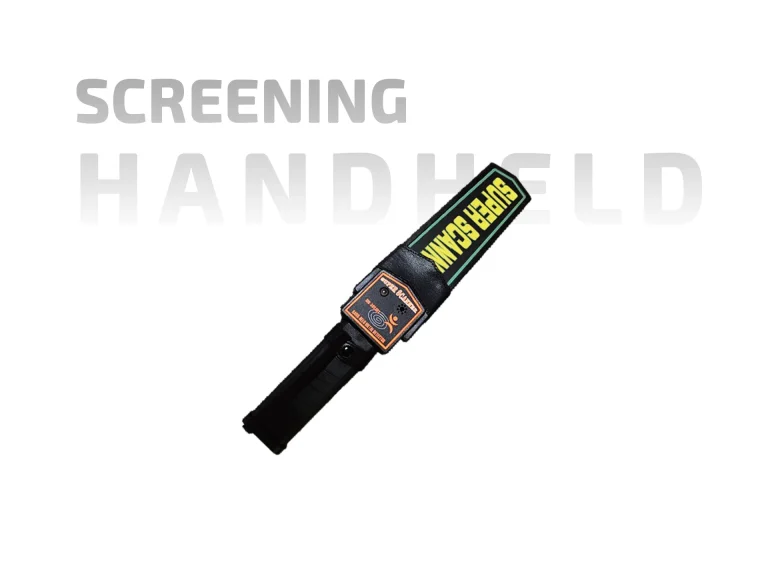
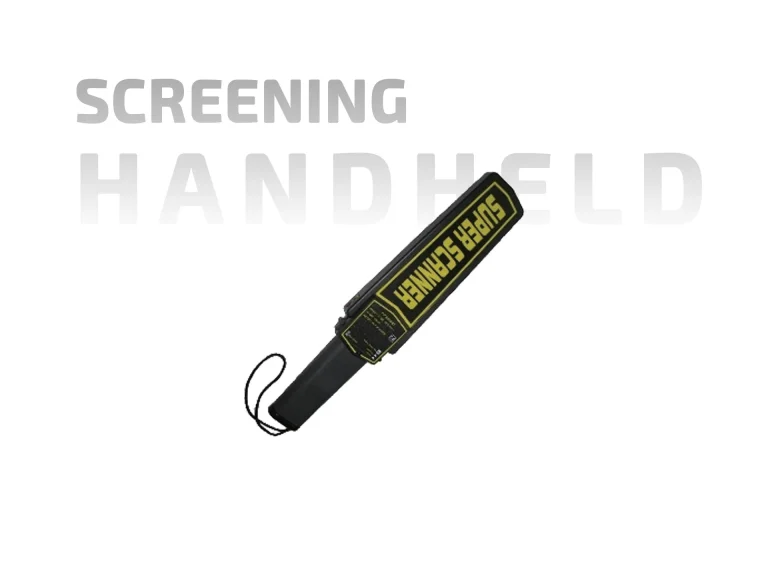
| Entry-level | Under $10K | Handheld detectors, basic walk-through detector, manual bag check table, signage | Small venues, temporary events, low-volume entrances | Unit count, basic installation, staff training |
| Small checkpoint | $10K–$50K | One or two walk-through detectors, X-ray cabinet for bags or mail, basic secondary area, starter training | Corporate lobbies, schools, small venues, mailrooms | Equipment mix, lane count, power and space preparation |
| Mid-range system | $50K–$200K | Dual-energy X-ray or entry CT, multiple lanes, networked software, structured training, service contract | Airports, courthouses, large venues, logistics sites | Automation level, lane count, integration, service terms |
| High-end system | $200K–$1M+ | CT checked-baggage or cargo systems, AIT, trace detection integration, custom site works, long-term support | Major airports, border crossings, high-security facilities | Throughput requirements, civil works, redundancy, certification |
These tiers overlap. A mid-range project with extensive site renovation can approach high-end pricing, while a high-end technology deployed in a single lane may sit at the lower end of its tier.
What moves a project up a tier
Sensing technology
X-ray, CT, AIT, and trace detection carry very different price points. CT systems cost more than conventional X-ray because they reconstruct three-dimensional data and often include automated detection software. AIT adds people-screening capability with its own privacy and resolution procedures. Trace detection adds chemical analysis and consumables. Each technology answers a different question, and combining them raises both hardware and integration costs.
Throughput and redundancy
A site that must process 2,000 people per hour needs more lanes, more staff, and more secondary screening capacity than a site processing 200. Redundancy—spare lanes or backup equipment—adds cost but protects peak operations. Throughput requirements also affect lane width, queue space, and power distribution.
Automation and software
Automated threat detection, image archiving, alarm logging, and integration with access control or CCTV all add software licensing and configuration costs. These features can reduce operator workload, but they require validation, updates, and cybersecurity planning.
Site preparation
Temporary or event-based checkpoints may need less permanent infrastructure, but they still require power, weather protection, and queue management. Permanent sites may need floor reinforcement, radiation shielding, dedicated cooling, and network cabling. For organizers planning event ingress, lane layout and staffing decisions directly affect how much equipment is needed—see the event security screening guide for the operational side of that planning.
Training and staffing
Equipment price excludes the cost of training operators and supervisors, refresher cycles, and the staffing model needed to run lanes at peak. Training is often bundled into a service contract, but it should be budgeted explicitly.
Service, warranty, and spare parts
A low purchase price with a short warranty and slow spare-parts response can cost more over five years than a higher price with a comprehensive service agreement. Response time, uptime guarantees, and calibration support should be compared alongside hardware prices.
Compliance and acceptance testing
Regulatory approvals, radiation safety documentation, and acceptance testing add cost but are not optional in many environments. These requirements vary by jurisdiction and application, so they should be confirmed early rather than discovered during installation.
Costs that often sit outside the quotation
The following items frequently appear after the equipment quote and should be planned for:
-
Site surveys and structural or electrical work
-
Network upgrades and cybersecurity review
-
Signage, queue barriers, and secondary screening furniture
-
Operator and supervisor training beyond the initial session
-
Consumables and calibration items
-
Software subscriptions and update fees
-
Extended warranty or service-level agreements
-
Staffing for peak periods
-
Decommissioning or relocation of existing equipment
A useful budgeting rule is to request a total-cost-of-ownership estimate covering three to five years, not just the purchase price.
How to compare quotes without being misled
Ask each vendor to break pricing into the same categories: hardware, software, installation, training, service, and optional items. Request the assumed lane count, throughput, and staffing model. Then compare the scenarios side by side. A quote that looks lower may simply exclude integration, training, or service—costs that will appear later.
It also helps to ask what is not included. Vendors who clearly state exclusions are easier to compare than those who leave scope ambiguous.
Bottom line
Security screening system prices range from under $10K for basic detector setups to more than $1M for integrated, high-throughput CT and cargo systems. The biggest cost drivers are technology type, throughput requirements, lane count, automation, site preparation, and service terms. Buyers get better value when they define the checkpoint requirement first, compare total cost of ownership, and treat training, integration, and maintenance as part of the system price rather than afterthoughts.