Project Background and Pain Points
A construction company in Guangxi operates a mix of urban high-rise projects, highway sections, and mountain-side sites. Many of these locations have weak or unstable cellular coverage. The problem was not only inconvenience for workers. Site managers relied on mobile phones for concrete delivery coordination, safety inspections, crane monitoring data, and emergency contact with project offices.
Before the upgrade, the company tried small consumer repeaters at a few sites. Those units did not hold up well in Guangxi’s humid and rainy climate. Some overheated in outdoor cabinets, some lost performance after heavy rain, and others caused unstable uplink quality. Staff often had to walk to a higher point just to send photos or complete a call.
The company wanted a practical outdoor solution that could be installed at multiple sites without a major civil works program. The requirements were clear: stable outdoor operation, enough output to cover the site office and core work area, simple installation, and low maintenance.

Procurement and Equipment Specifications
The project purchased 20 units of the 20W outdoor signal amplifier.
| Product | Model | Quantity |
|---|---|---|
| 20W outdoor signal amplifier | ETLD-SA06 | 20 |
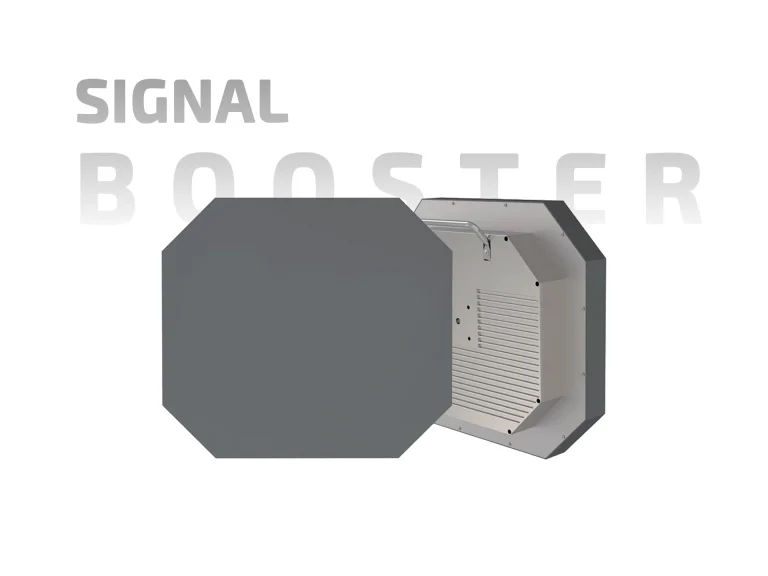
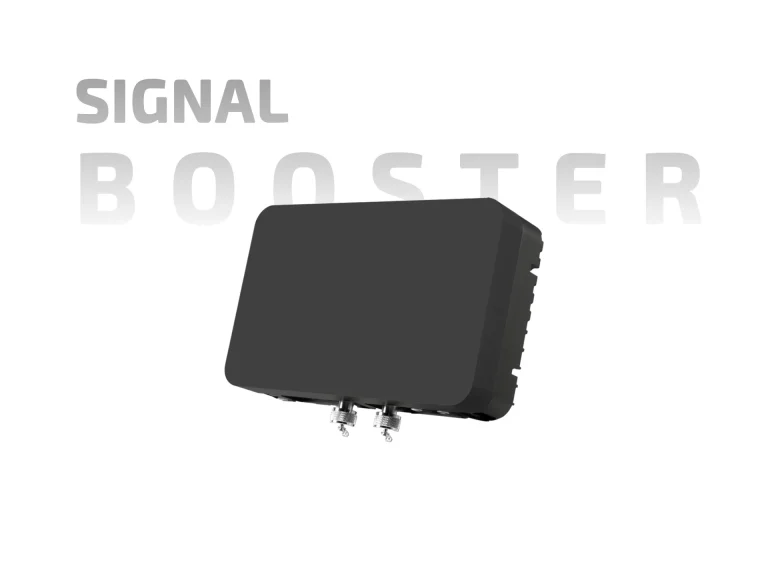
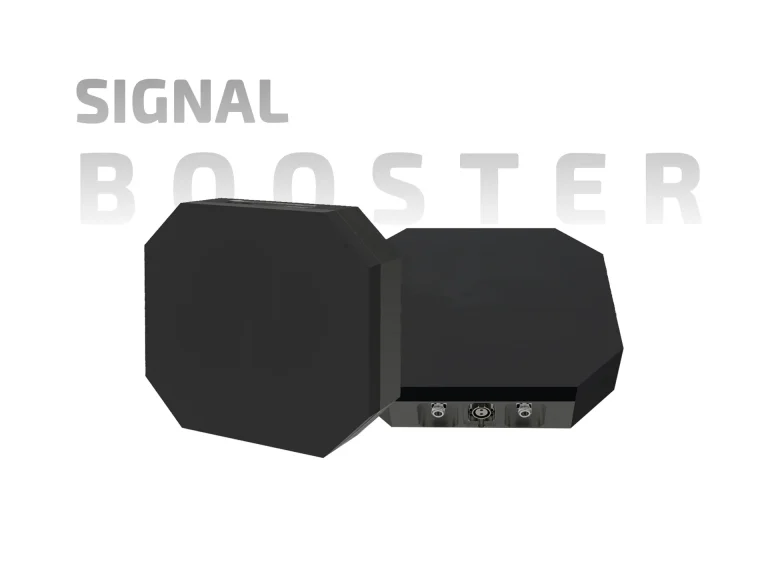
The ETLD-SA06 is a 20W outdoor signal amplifier designed for site coverage. The company standardized on one model so that installation teams, spare parts, and maintenance procedures could be shared across projects. The units were installed by qualified RF technicians and commissioned with signal surveys, following local radio regulations.
Deployment and Real-World Results
The 20 units were deployed across 20 active sites. Installation followed a similar pattern at each location: a donor antenna was mounted toward the serving base station, the outdoor signal amplifier was placed in a protected position with surge and waterproof protection, and a service antenna covered the site office and main work area. Antenna separation and grounding were checked during commissioning.
The company ran a four-week trial and compared measurements before and after installation. The figures below are averages from the trial and vary by terrain, distance to the base station, and local network load.
| Metric | Before Installation | After Installation |
|---|---|---|
| Outdoor RSRP at site office | -108 to -118 dBm | -88 to -98 dBm |
| Call drop rate during work hours | About 18–25% | About 5–8% |
| Typical upload speed | 0.5–1.2 Mbps | 3–6 Mbps |
| Effective coverage radius | Often less than 150m | About 300–600m |
At the urban high-rise sites, the main benefit was more stable indoor coverage in site offices and material storage areas. At highway and mountain sites, the improvement was more obvious. Site teams could complete calls and send inspection photos without walking to a ridge or gate. Crane monitoring data transmission became more consistent, and dispatch calls to concrete trucks were less likely to drop.
The outdoor units operated through several rain periods during the trial. No unit failed, and maintenance calls were limited to routine checks of connectors and antenna alignment. Power consumption was within the site’s temporary electrical budget.
Project Value
The project gave the construction company a repeatable communication fix rather than a one-off patch. Standardizing on the ETLD-SA06 simplified procurement, installation, and staff training. Site managers spent less time dealing with call failures and more time on production coordination. Safety inspections and emergency communication also became more reliable.
For future projects, the company can reuse the units as sites are completed and new ones begin. The same installation pattern can be adapted for temporary offices, batching plants, and remote work fronts. If a site needs more coverage, additional units can be added without changing the overall system design.
Conclusion
The Guangxi construction signal amplifier procurement project addressed a real operational problem: weak and unreliable cellular coverage at active construction sites. With 20 ETLD-SA06 20W outdoor signal amplifiers, the company improved signal strength, reduced call drops, and supported daily site communication more consistently. The project is a useful reference for construction firms facing similar coverage gaps in humid, remote, or rapidly changing work environments.