A Ningbo-based infrastructure contractor uses drones for site survey, progress checks, and remote inspection. The work sounds simple on paper. In the field, it is not. Sites change daily, steel structures block line of sight, and temporary command posts move from one section to another. The company kept running into the same problem: the drone link was not stable enough for consistent work.
To fix it, the project team purchased 40 units of the ETLD-SA04 outdoor signal amplifier from DRAKON. The units were deployed across temporary command posts, vehicle-mounted masts, and fixed monitoring points around several infrastructure work areas.

Background and pain points
The contractor’s UAV teams were working in mixed environments: open ground, partially built structures, and areas with heavy 5.8GHz activity. The original setup worked in clear conditions, but not reliably enough for daily production.
The main issues were:
-
Weak signal behind structures and at the edge of work zones
-
Frequent video dropouts during inspection flights
-
Unstable control link when the drone moved behind steel or concrete
-
Interference on 5.8GHz in some sections of the site
-
Need for a quick-deploy unit that could run from vehicle power or its own battery
-
Dust, heat, and temperature swings during summer and winter shifts
The company did not want a complex base-station rebuild. It needed a rugged outdoor amplifier that could be moved with the work front and used with existing drone equipment.
Purchased product specification
| Product | Model | Quantity |
|---|---|---|
| Outdoor signal amplifier | ETLD-SA04 | 40 |
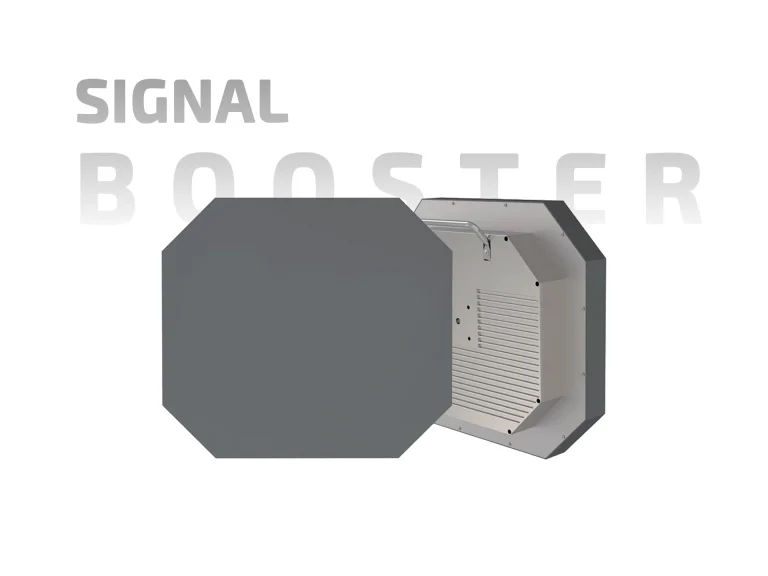
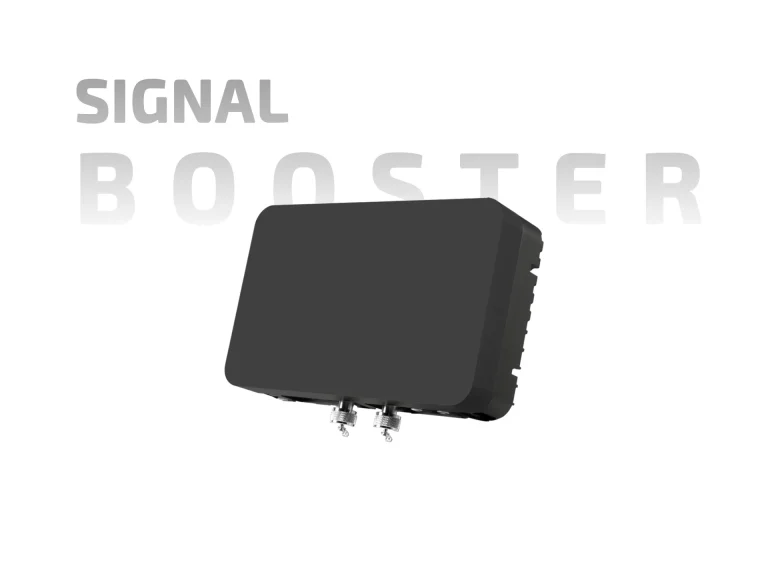
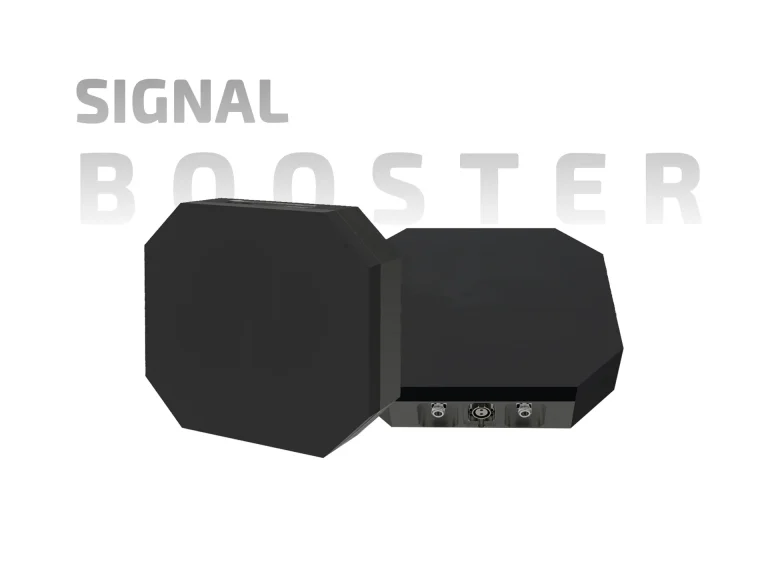
The ETLD-SA04 is a dual-band outdoor signal amplifier designed for 2.4–2.5GHz and 5.0–5.8GHz operation. Key specifications include 4000mW (36dBm) output power, 16–19dB transmit gain, receiver gain ≤12dB, and a typical noise figure below 3.5dB. It supports IEEE 802.11b/g/n/a/ac, half-duplex TDD operation, and 20/40/80MHz channel widths.
The unit uses directional dual-frequency, dual-antenna output. Antenna gain is 12dBi at 2400–2500MHz and 10dBi at 5150–5350/5700–5900MHz. The input terminal is an N-K female connector. The cast aluminum housing measures 250mm x 155mm x 56mm and weighs 2.25kg. An internal 10.8V 4000mA battery (43.2Wh) supports operation without external power and includes a battery level display. The unit runs from a 12V/2A DC adapter with 100–240V input and is rated for -40°C to +70°C and up to 75% relative humidity.
Field results and data
The project team tracked performance over an eight-week pilot across four work areas. The figures below are from site logs kept by the UAV team. They are not lab numbers, so they include real-world variables such as antenna placement, weather, and site traffic.
| Metric | Before deployment | After deployment |
|---|---|---|
| Average link interruptions per shift | 6.8 | 1.9 |
| Video link availability during inspection flights | 92.4% | 98.7% |
| Typical usable control distance in open work areas | 3.2km | 5.6km |
| Repeat flight due to signal loss | 18% | 6% |
| Average setup time at a new command post | 25 min | 12 min |
The biggest improvement came from the directional dual-band output. On sites where 5.8GHz was crowded, the team switched to 2.4GHz for control and kept 5.8GHz for video where conditions allowed. The 36dBm output and 16–19dB transmit gain gave the link more headroom without forcing the drone to fly closer than planned.
The receiver side also mattered. With receiver gain ≤12dB and a typical noise figure below 3.5dB, the team saw fewer weak-signal warnings when the drone was behind structures. The link did not become immune to steel and concrete, but it became predictable enough for routine inspection work.
Power was another practical point. The internal 43.2Wh battery allowed the crew to move a unit to a temporary mast and run checks before vehicle power was connected. The 12V/2A adapter made it easy to connect to the site vehicle’s power system. The cast aluminum case held up to daily handling, and the battery level display saved time during shift changes.
One lesson from the pilot: antenna orientation matters. The ETLD-SA04 is directional, so the crew marked preferred mounting angles on the vehicle masts. Once that became part of the setup routine, link performance became more consistent.
Project value
For this Ningbo infrastructure contractor, the value was not just a stronger signal. It was fewer repeated flights, faster setup, and more confidence in daily UAV work.
With 40 units in service, the company can support multiple work fronts without buying a full fixed communications system for every site. The amplifiers move with the project. When a work area is finished, the unit goes to the next command post. That flexibility matters for infrastructure work, where site conditions change faster than permanent infrastructure can follow.
The project also reduced operational friction. Fewer link interruptions mean less time troubleshooting and more time collecting inspection data. Shorter setup time means the UAV team can start flying earlier in the shift. And because the unit is built for outdoor use, the company does not need to treat every deployment as a fair-weather operation.
In short, the ETLD-SA04 gave the contractor a practical outdoor signal amplifier for drone connectivity: dual-band coverage, 4000mW output, low noise figure, battery backup, and a rugged cast aluminum housing. For infrastructure teams working in changing field conditions, that combination is easier to justify than a complicated permanent install.