October 19, 2026
Vehicle-Mounted Drone Jammer Price: What to Expect
Understand vehicle-mounted drone jammer price factors: hardware, integration, antennas, compliance, and hidden costs.


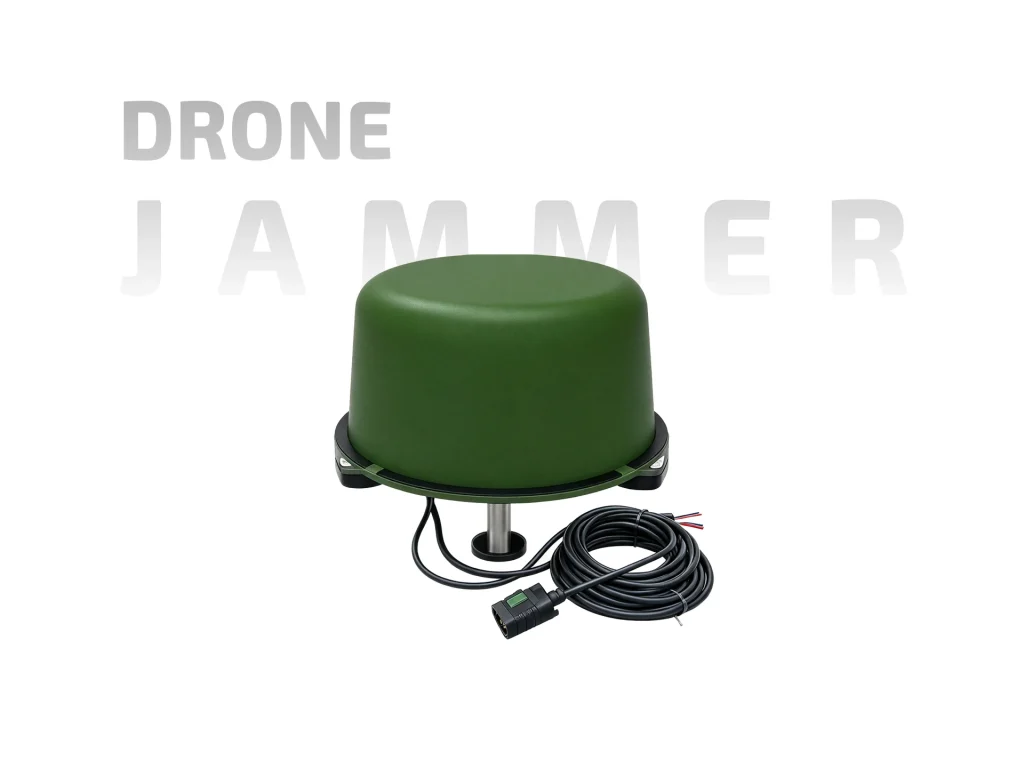
Vehicle-Mounted Drone Jammer ETLD-V028: 400–6000 MHz, 8 channels, omnidirectional 0–200 m, DC12V/DC28V, 3 m control handle, waterproof.
The ETLD-V028 is a vehicle-mounted drone jammer built for security teams that need wide-area coverage while on the move. It uses an omnidirectional setup with a 0–200 meter radius, so operators do not have to aim at a single direction. The system covers 400–6000 MHz, with customization available. Eight jamming paths support common drone links, including control, video, and satellite-related signals. Power comes from DC12V or DC28V, and a 3-meter control handle lets the operator manage the system from inside or near the vehicle. The housing is waterproof for outdoor duty.

Fixed drone jammers protect one point. A vehicle-mounted jammer protects a route. The ETLD-V028 can be installed on patrol cars, SUVs, trucks, and other security vehicles. As the vehicle moves, the jammer creates a moving protection zone. This is useful for border patrols, prison transfers, VIP convoys, and airport perimeter checks. Because the coverage is omnidirectional, the driver does not need to turn the vehicle toward a drone. The system works around the vehicle, which saves reaction time when a threat appears from an unexpected angle.

The ETLD-V028 covers 400–6000 MHz. The standard configuration includes eight paths: 400–500, 630–780, 770–900, 890–1020, 1220–1360, 2400–2500, 5100–5300, and 5700–5900 MHz. These bands address many commercial drone control and video links. The 2.4 GHz and 5.8 GHz bands are widely used, while lower bands can cover other telemetry or navigation-related signals. Custom frequency options are available for special projects. Eight channels give the system flexibility, but actual performance depends on output power, antenna placement, and the local RF environment.
The rated jamming radius is 0–200 meters. This is an omnidirectional figure, not a narrow beam. In open areas, the signal may reach the upper end of that range. Buildings, hills, trees, and vehicle bodies can reduce it. Drone altitude also matters. A drone directly above the vehicle may behave differently from one at a low angle. For best results, mount antennas clear of metal roofs and roof racks. Keep cable runs short and protected. Test the system in the actual vehicle before relying on it in the field.
The ETLD-V028 accepts DC12V or DC28V. That makes it compatible with many cars, trucks, and special vehicles. The installer should confirm that the vehicle electrical system can supply the required current. A 3-meter control handle allows the operator to switch the jammer on and off without leaving the cab. This simple control keeps attention on the situation outside. For longer vehicles, check whether the handle position gives a safe and practical reach. Do not operate the system while driving if local rules prohibit it.
The housing is waterproof. This helps the jammer handle rain, dust, and splashes during outdoor patrols. Waterproof does not mean unlimited immersion. Avoid deep water, high-pressure spray, and damaged seals. Inspect connectors and mounting points regularly. A clean, dry installation area will extend service life. If the vehicle is washed often, protect the antennas and control cable connections.
Install the ETLD-V028 only where jamming is legally allowed. Use trained operators. Check local rules before purchase. The system is not a consumer gadget. It is a controlled security tool. Plan antenna placement, power wiring, and grounding carefully. Test with a known drone in a safe area. Keep a log of performance. If the vehicle operates near public roads, make sure the installation does not create a distraction or safety risk.
The Vehicle-Mounted Drone Jammer ETLD-V028 offers 400–6000 MHz coverage, eight channels, a 0–200 meter omnidirectional radius, DC12V/DC28V input, a 3-meter control handle, and a waterproof structure. It suits mobile security work where speed and broad coverage matter. With correct installation, legal approval, and trained staff, it can add a useful layer of drone defense to vehicle operations.
| Parameter | Specification | Notes |
| Model | ETLD-V028 | Vehicle-mounted drone jammer |
| Jamming Frequency | 400–6000 MHz | Customizable |
| Frequency Bands | 400–500 / 630–780 / 770–900 / 890–1020 / 1220–1360 / 2400–2500 / 5100–5300 / 5700–5900 MHz | Eight standard paths |
| Jamming Channels | 8 | Eight-channel configuration |
| Jamming Radius | 0–200 m | Omnidirectional |
| Power Supply | DC12V / DC28V | Vehicle power input |
| Control | 3 m control handle | Remote on/off control |
| Structure | Waterproof | Outdoor use; not for deep immersion |
Understand vehicle-mounted drone jammer price factors: hardware, integration, antennas, compliance, and hidden costs.
Looking for a vehicle-mounted drone jammer for sale? Compare specs, power, antennas, legal checks, and procurement tips before you buy.
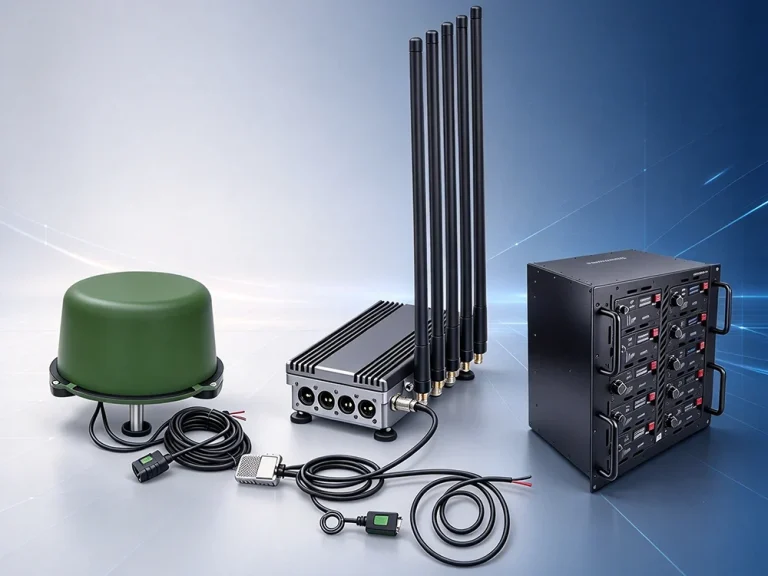
Compare fixed vs vehicle-mounted drone jammer options: coverage, mobility, power, cost, and deployment for counter-UAS site protection.