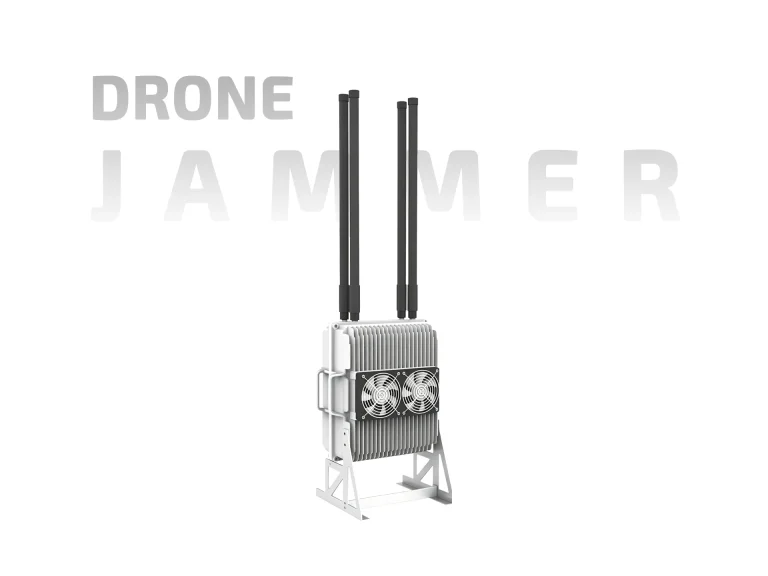
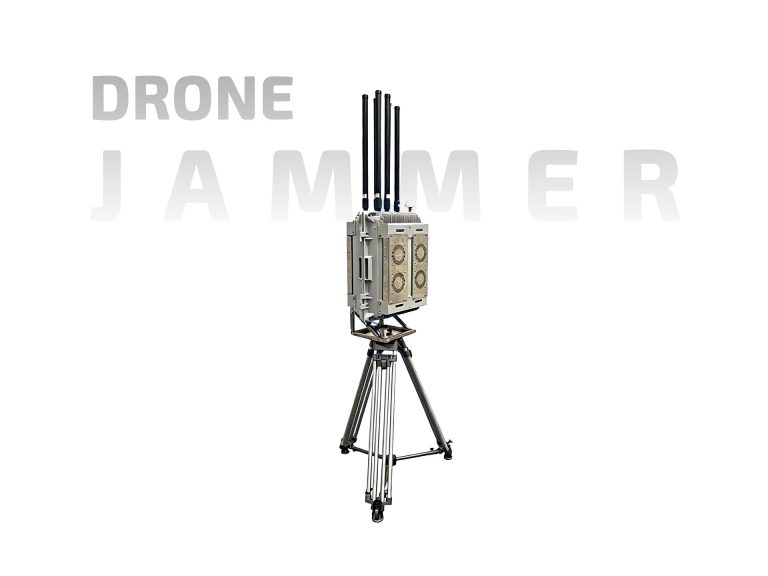
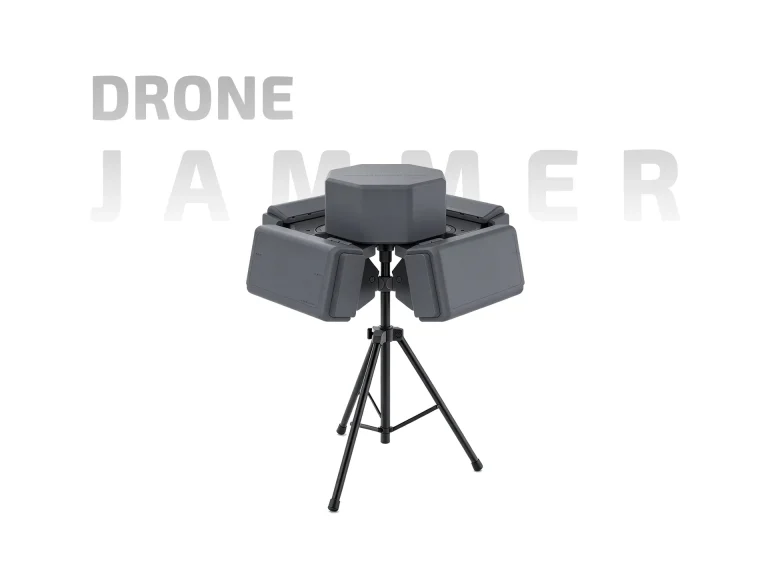
Fixed vs vehicle-mounted drone jammer planning begins with one question: does the threat stay near a known point, or does it move? A fixed jammer is installed at a site. A vehicle-mounted jammer travels with a patrol, convoy, or response team. Both can disrupt drone control, video, and navigation links, but they solve different problems. Legal use is limited to authorized operators, so compliance must come first.

Fixed vs Vehicle-Mounted Drone Jammer: Core Difference
A fixed system is built into the site. It uses permanent antennas, mains power, and scheduled maintenance. A vehicle-mounted system is built onto a truck, SUV, or armored platform. It uses vehicle power, ruggedized electronics, and mobile antennas.
The fixed option favors persistence. The vehicle-mounted option favors reach.
What a Fixed System Does Well
Fixed jammers are ideal for prisons, airports, military bases, stadiums, and critical infrastructure. They can run 24/7. They support high-gain sector antennas and can be integrated with radar and RF detection. This makes them part of a larger counter-UAS systems layer.
They also allow stable power and cooling. That means higher duty cycles and repeatable coverage. Operators can define sectors, power limits, and fail-safe rules.
Where Vehicle-Mounted Systems Win
A vehicle-mounted drone jammer is designed for movement. It can escort a convoy, patrol a border, or respond to a sudden event. It does not need a construction permit for a mast. It can relocate as the threat shifts.
These systems often use directional antennas on a roof mount. Some include a pan-tilt unit and a detection sensor. For teams that need a vehicle-mounted drone jammer, mobility is the main advantage.
Side-by-Side Comparison
| Factor | Fixed Drone Jammer | Vehicle-Mounted Drone Jammer |
|---|---|---|
| Installation | Permanent mast or roof | Vehicle roof or rack |
| Mobility | None | High |
| Power | Mains or generator | Vehicle alternator/battery |
| Coverage | Wide, stable sector | Local, moving zone |
| Uptime | 24/7 with maintenance | Mission-limited |
| Antennas | High-gain sector/omni | Rugged directional |
| Integration | Radar, RF, C2 | Vehicle C2, sensors |
| Best use | Site defense | Patrol and response |
Power, Antennas, and RF Planning
Power is a major divider. Fixed systems can draw from mains power and support larger amplifiers. Vehicle systems must manage alternator output, battery load, and heat inside a moving cabin.
Antenna choice also differs. Fixed sites can use narrow beams to focus energy along a fence line. Vehicle systems need rugged antennas that survive vibration and wind. Both need good filtering to avoid interfering with friendly communications.
Deployment Scenarios
Fixed is better when the protected area is known. Example: a prison needs continuous coverage over yards and perimeter roads. A fixed unit can be tuned once and monitored remotely.
Vehicle-mounted is better when the mission moves. Example: a border patrol needs to jam a drone that follows a vehicle. A mobile unit can keep pace and aim as needed.
Some programs combine both. Fixed units cover daily sites. Vehicle-mounted units fill gaps and support field operations. This layered approach is common in fixed drone jammer projects that also need mobile response.
Cost and Maintenance
Fixed systems cost more upfront. They need concrete, conduit, grounding, and lightning protection. Maintenance is scheduled and predictable.
Vehicle systems cost less to install but more to operate. They need vehicle integration, shock protection, and frequent checks after rough travel.
| Cost Area | Fixed | Vehicle-Mounted |
|---|---|---|
| Hardware | High | Medium to high |
| Installation | High | Medium |
| Power | Mains/generator | Vehicle electrical |
| Maintenance | Scheduled | After missions |
| Scalability | Add sectors | Add vehicles |
Legal and Integration Notes
Jamming is heavily regulated. Unauthorized use can disrupt GPS, Wi-Fi, and emergency services. Keep authorization, training logs, and RF records.
Integration matters too. Fixed systems often connect to a command center. Vehicle systems may connect to a mobile command post. Both should support remote shutdown and event logging.
Which One Should You Choose?
Choose fixed if your site is stable and you need 24/7 coverage. Choose vehicle-mounted if your threat moves and you need rapid response. If your budget allows, use both under one detection and control plan.
The best answer to fixed vs vehicle-mounted drone jammer is not a single product. It is a layered plan that matches coverage, mobility, and legal authority to the mission.