Fixed vs portable drone jammer decisions usually come down to mission, site, and legal authority. A fixed system stays installed and powered. A portable unit moves with the operator. Neither is automatically better. The right choice depends on how you expect to face a drone threat. In many countries, jamming is illegal except for authorized government or military users. This article assumes lawful, coordinated deployment.

Fixed vs Portable Drone Jammer: Core Differences
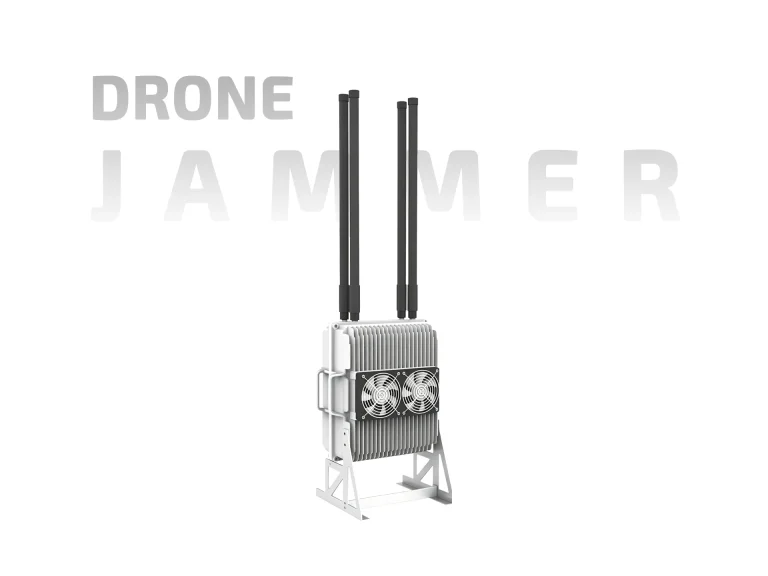
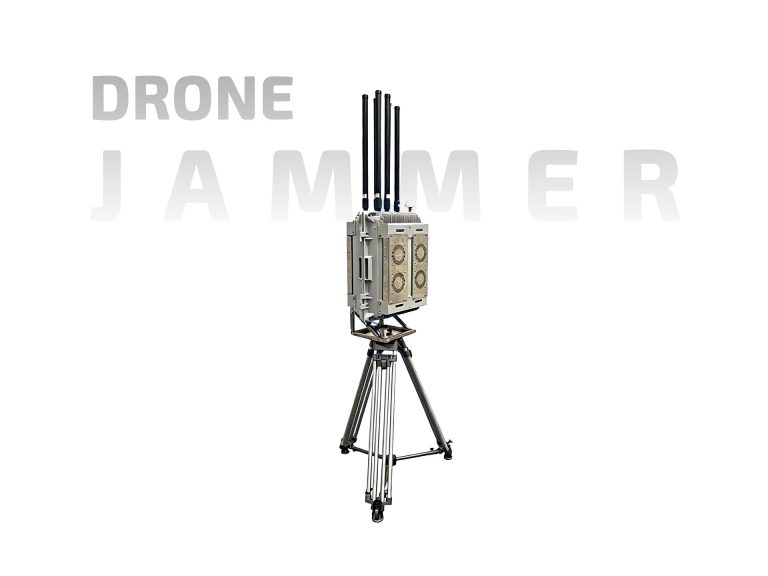
A fixed drone jammer is mounted on a mast, roof, or tower. It can use high-gain antennas, continuous power, and active cooling. A portable drone jammer is built into a backpack, case, or vehicle kit. It trades raw power and uptime for mobility.
| Factor | Fixed Drone Jammer | Portable Drone Jammer |
|---|---|---|
| Installation | Permanent mount | Rapid setup |
| Power | Mains, generator, PoE | Battery or vehicle |
| Coverage | Wide sector or omni | Local, directional |
| Uptime | 24/7 with maintenance | Minutes to hours |
| Bands | Often multiple | Usually fewer |
| Cost | Higher upfront | Lower entry |
| Best for | Prisons, bases, airports | Patrols, convoys, events |
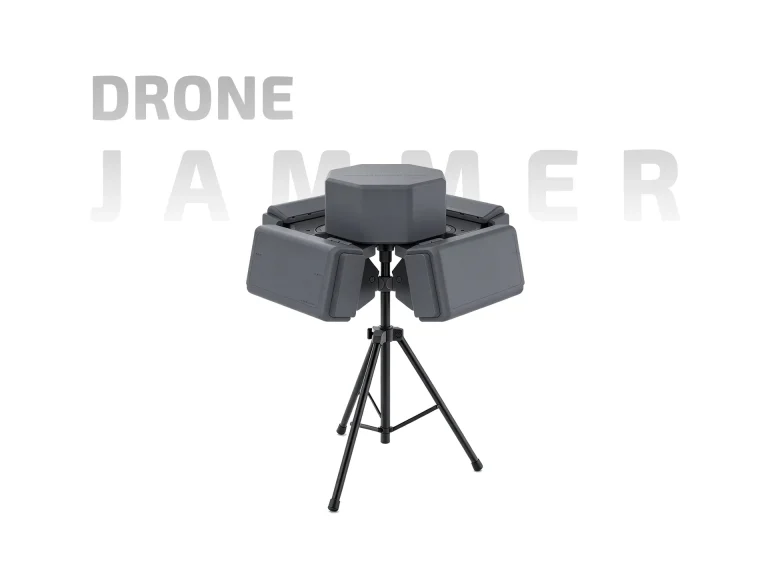
Fixed systems often integrate with radar, RF detection, and command software. Portable systems are easier to relocate but may need line of sight and careful antenna aiming. Fixed installations can use sector antennas to focus energy along a fence line. Portable kits often rely on directional hand-held antennas. That difference shapes how quickly an operator can react.
When a Fixed vs Portable Drone Jammer Makes Sense
Use a fixed jammer when the protected area is stable. Examples include a prison perimeter, an airport fence line, or a military base. You can plan antenna patterns, power budgets, and fail-safe rules. You can also link the jammer to a counter-UAS systems network.
Choose portable when the mission moves. Border patrol, tactical teams, and temporary events may need a portable drone jammer that fits in a vehicle. It can respond to a pop-up threat without a construction project.
Coverage and Power Realities
Fixed jammers can push higher effective radiated power because they have stable power and cooling. That does not mean maximum power is always best. Overpowered jamming can disrupt friendly radios and invite legal complaints.
Portable jammers face battery, heat, and weight limits. Their output is lower and duty cycles are shorter. They work best for short, focused engagements.
Fixed vs Portable Drone Jammer Cost and Maintenance
Fixed units cost more to install. They need conduit, antennas, grounding, surge protection, and sometimes a dedicated room.
Fixed vs Portable Drone Jammer: Maintenance Rhythm
Maintenance includes VSWR checks, fan filters, and firmware updates. Portable units cost less upfront but may need spare batteries, chargers, and rugged cases. They can be damaged in the field and may require frequent calibration.
| Cost Area | Fixed | Portable |
|---|---|---|
| Hardware | High | Medium |
| Installation | High | Low |
| Power | Mains/generator | Batteries |
| Maintenance | Scheduled | After each use |
Legal and Operational Checklist
Before buying either type, confirm local rules. Jamming can affect GPS, Wi-Fi, and emergency communications. Unauthorized use is a serious offense. Keep written authorization, training records, and RF logs on file.
Ask these questions:
-
Who authorizes jamming?
-
How do you detect a drone first?
-
What is the fail-safe shutdown?
-
Can you log every event?
-
How will you avoid nearby networks?
A fixed drone jammer is strong for persistent sites. A portable jammer is strong for mobile teams. Some programs use both: fixed for daily coverage, portable for gaps and field operations. For sites that need both, a layered plan may use a fixed unit for routine protection and a portable unit for patrols.
Final Verdict
Fixed vs portable drone jammer planning should start with the mission, not the hardware. If your site is known and you need 24/7 coverage, go fixed. If your threat moves and you need quick response, go portable. If budgets allow, combine both under one detection and control layer.
Need help matching a system to your site? Review your legal authority, detection plan, and RF environment before you buy.