October 19, 2026
Vehicle-Mounted Drone Jammer Price: What to Expect
Understand vehicle-mounted drone jammer price factors: hardware, integration, antennas, compliance, and hidden costs.


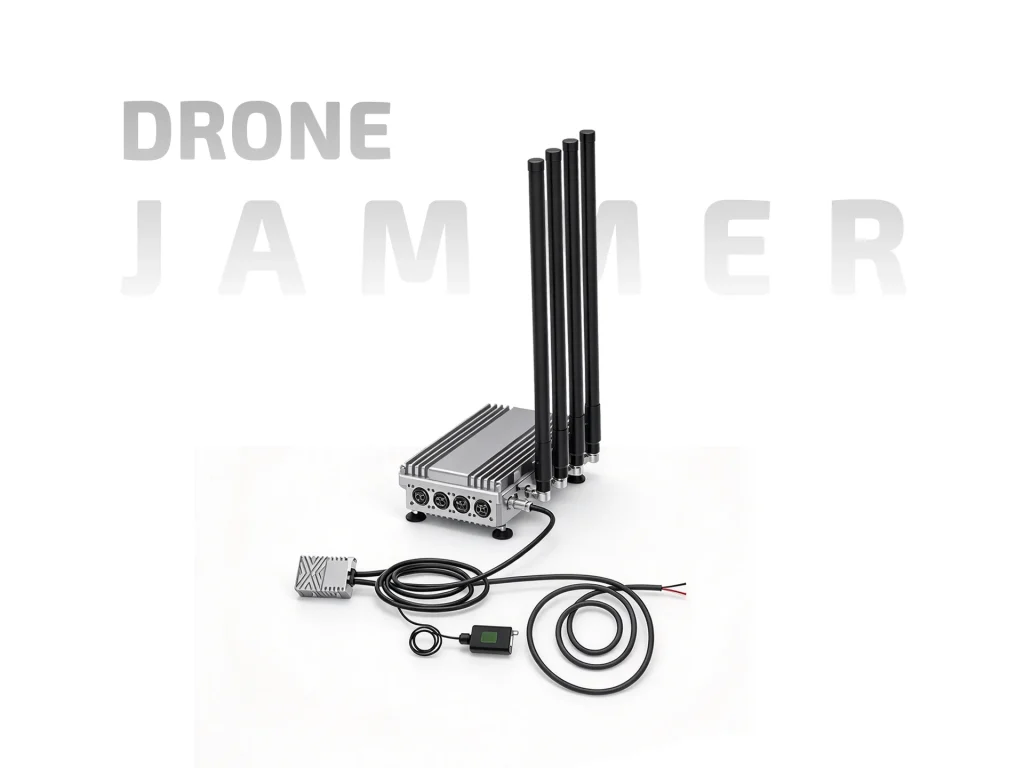
ETLD-VJ04A vehicle-mounted drone jammer: 800M/900M/1.0G/1.1GHz customizable, 4×50W omnidirectional, 0–300m radius, DC12V/28V, 3m handle, waterproof.
The ETLD-VJ04A is a car-mounted drone jammer. It is not a detector, and it does not track. It is a response tool for authorized operators who already know a drone is nearby and have permission to act. The unit uses four bands, sends power in all directions, and is built to run from a vehicle electrical system. If you need a compact jammer for a patrol car, truck, or temporary checkpoint vehicle, this is the kind of unit to review.

The standard bands are 800M, 900M, 1.0G and 1.1GHz, and the frequency plan can be customized. Each band is listed at 50W, with four channels in total. That layout covers common control and video links, but it is not a wide sweep. The custom option matters when a site uses a different band. Ask for the final band chart before ordering, and make sure the radio plan matches the task. Do not assume the standard set covers every drone.
The drone jammer radiates in all directions, with a listed radius of 0–300m. There is no aiming head and no narrow beam. That helps when the drone direction is unknown, but it also means the energy is spread around. Treat 0–300m as a short-range figure. Vehicle body, buildings, terrain, and antenna height all change results. Mount the antenna as high and clear as practical. A roof rack or mast is better than a low bumper position. Metal near the antenna can block or reflect output, so keep the area around it open.
The unit runs on DC12V or DC28V, which covers many cars, vans, and trucks. Check the vehicle supply before installation. Confirm polarity, fuse rating, cable size, and a safe ground. Do not tap a circuit that also feeds safety equipment. Plan whether the jammer will run with the engine on or off, and test the voltage under load. A loose connector can cause intermittent operation, so secure every plug. Keep spare fuses in the vehicle.
A 3m control handle lets the operator control the unit without standing next to the antenna. That is useful when the antenna is roof-mounted. The handle cable should be routed away from hot or moving parts. The body is listed as waterproof, which suits outdoor vehicle use. Even so, check connector covers and cable glands. Do not assume waterproof means safe for deep water or pressure washing. Wipe and dry the connectors after wet use.
Mount the unit firmly. A moving vehicle puts stress on brackets and cables. Run a short test before each shift: power, band selection, handle response, and antenna condition. Keep the antenna clear of roof boxes and light bars. Use the jammer only in the permitted direction and for the shortest time needed. Because output is omnidirectional, nearby radio users may be affected. Coordinate with site management.
This is a short-range response tool, not a detection system. Pair it with a detector or a visual/patrol procedure. The 300m radius means the drone must be close before the jammer is useful. If the drone is outside 300m, the jammer is not the right first tool. Plan a layered response: detect first, confirm authority, then jam if allowed. Rules on jamming vary by country and site. Train operators and keep a log of use.
The ETLD-VJ04A vehicle-mounted drone jammer offers four customizable bands, 50W per band, omnidirectional coverage at 0–300m, DC12V/DC28V input, a 3m control handle, and a waterproof body. It suits authorized vehicle-based teams that need a simple, short-range jammer and are ready to plan power, mounting, and legal use. Confirm the final band plan and vehicle power before installation.
| Parameter | Specification | Notes |
| Jamming frequency | 800M, 900M, 1.0G, 1.1GHz (customizable) | Four-band set |
| Output power | 50W per band | Four channels |
| Jamming coverage | Omnidirectional, radius 0–300m | Short-range figure |
| Power supply | DC12V / DC28V | Vehicle electrical system |
| Control | 3m control handle | Remote operation |
| Structure | Waterproof | Outdoor vehicle use |
| Channels | 4 | One per band |
| Band customization | Available | Confirm final band chart |
| Mounting | Vehicle-mounted | Roof rack or mast advised |
| Use | Authorized drone response | Not a detector |
Understand vehicle-mounted drone jammer price factors: hardware, integration, antennas, compliance, and hidden costs.
Looking for a vehicle-mounted drone jammer for sale? Compare specs, power, antennas, legal checks, and procurement tips before you buy.
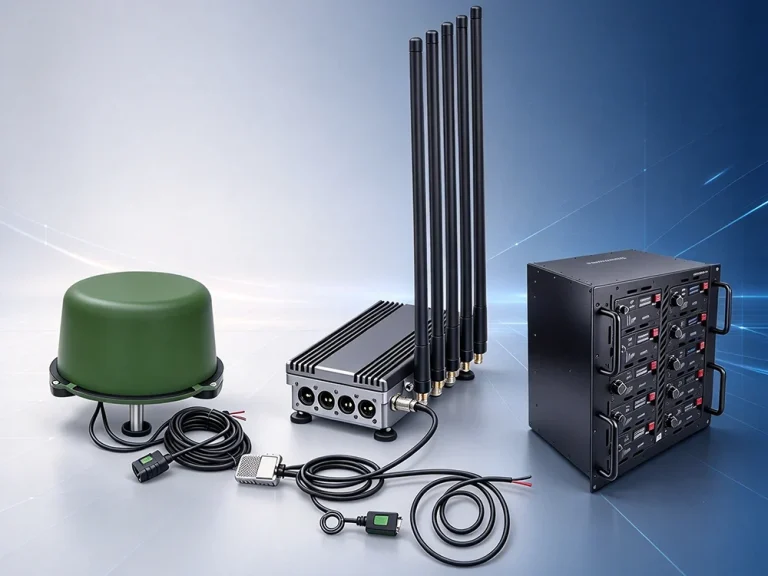
Compare fixed vs vehicle-mounted drone jammer options: coverage, mobility, power, cost, and deployment for counter-UAS site protection.