October 19, 2026
Vehicle-Mounted Drone Jammer Price: What to Expect
Understand vehicle-mounted drone jammer price factors: hardware, integration, antennas, compliance, and hidden costs.


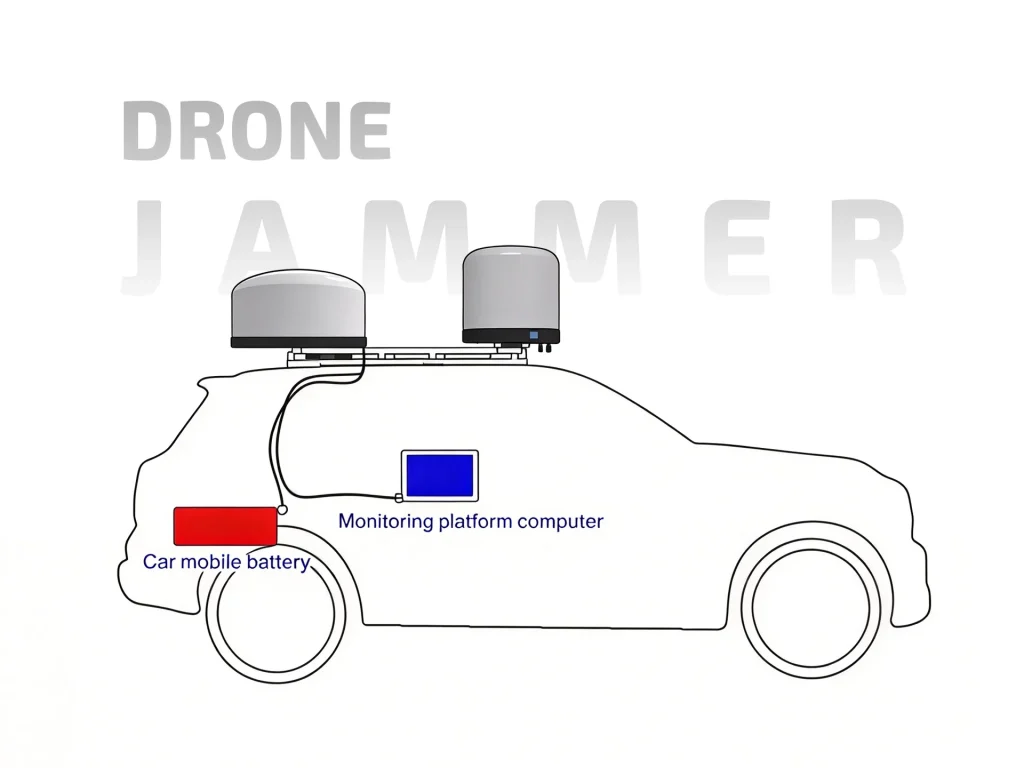
ETLD-CDS90B vehicle-mounted counter-drone system: detect 70–6000MHz 0–10km; jam 400–6100MHz 0–3km; GPS/BDS/GLONASS/GALILEO spoof 0–10km; ≥15 ch; auto/manual.
The ETLD-CDS90B is a vehicle-mounted counter-drone system that combines detection, direction finding, jamming and spoofing in one platform. The listing describes it as a full-band, 10km-class, Level 2 system. It is built for teams that need more than an alert: the unit can identify a drone, show its direction, and then apply a selected response. It is not a handheld tool. It belongs on a vehicle or a mobile command post where power, antennas and operator space are available. A site that only needs an alert should look at a simpler detector; this system is for users who expect to act.

The system links three jobs. Detection finds and identifies the drone. Direction finding gives a bearing, not just a warning. Jamming and spoofing provide the response layer. The platform can run automatic detection, manual operation, or automatic defense. Operators can set the mode to match the site and the authorization level. That choice matters: automatic response is convenient, but it should only be enabled where the rules and the response plan allow it.
Detection covers 70MHz–6000MHz, with a listed detection range of 1–10km and coverage of 0–10km. The receiver is listed as identifying DJI, Autel, FPV and other drones. Direction finding adds a bearing, which helps a team point antennas and decide where to look. Range figures are planning values. Terrain, buildings, antenna height and local noise will change results. A site test is the only reliable way to set expectations. Keep a record of which makes appear at which bearings; that log helps tune the site over time. The system also provides sound and light alarms and an alarm/clear status, so staff can see the current state.
Jamming covers 400–6100MHz, with a listed coverage of 0–3km and a jamming range of 3000m. The countermeasure section lists at least 15 channels. Directional jamming is supported, which focuses energy toward the bearing rather than spreading it in all directions. That is useful on a vehicle because it reduces unnecessary output around the site. Still, jamming affects radio links and must follow local rules. Use the shortest effective duration and keep a log.
Spoofing types include GPS, BDS, GLONASS and GALILEO. The spoofing coverage is listed at 0–10km and is customizable. Spoofing is a different response from jamming: it sends false positioning information rather than blocking the link. That makes it powerful and sensitive. It should only be used by trained operators with clear authorization. The platform allows the spoofing layer to be selected separately, so a team can choose detection only, jamming, spoofing, or a combined response as permitted.
The platform is independent and supports automatic detection, manual control and automatic defense. Operators can set the mode and review alarm status. Because the system is vehicle-based, plan antenna placement, power supply and cable routing. Keep antennas clear of roof boxes and metal. Use a stable parking position for directional work. Mount the display where the operator can see it without turning away from the antenna direction. Train operators on mode selection, alarm handling and logging. A simple checklist before each shift will prevent most mistakes: power, antennas, mode, authorization and log.
This is a high-capability system, not a consumer device. Detection range does not guarantee jamming range, and spoofing range does not guarantee a clean result. Each layer has its own limits. Pair the system with a written response plan, trained staff and legal review. Confirm the final band plan, channel layout and customization options with the supplier before ordering. In short, the CDS90B vehicle-mounted counter-drone system is a mobile counter-drone platform for authorized users who need detection, direction finding, jamming and spoofing in one vehicle-based package.
| Parameter | Specification | Notes |
| Detection frequency | 70–6000MHz | Wideband receiver |
| Detection range | 1–10km (coverage 0–10km) | Planning figure |
| Jamming frequency | 400–6100MHz | Directional jamming |
| Jamming range | 0–3km (listed 3000m) | Site dependent |
| Spoofing types | GPS, BDS, GLONASS, GALILEO | Selectable layer |
| Spoofing range | 0–10km (customizable) | Planning figure |
| Countermeasure channels | ≥15 | Jamming/spoofing bands |
| Direction finding | Supported | Adds bearing |
| Alarm | Sound and light; alarm/clear status | Local cue |
| Platform | Independent; auto detect/manual/auto defense | Selectable modes |
| Recognized drones | DJI, Autel, FPV and others | Make recognition guide |
| Mount | Vehicle-mounted | Mobile command post |
Understand vehicle-mounted drone jammer price factors: hardware, integration, antennas, compliance, and hidden costs.
Looking for a vehicle-mounted drone jammer for sale? Compare specs, power, antennas, legal checks, and procurement tips before you buy.
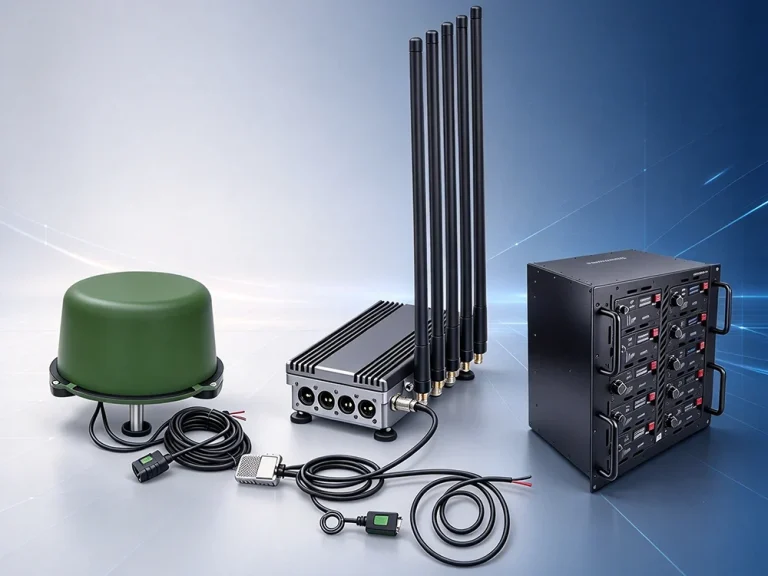
Compare fixed vs vehicle-mounted drone jammer options: coverage, mobility, power, cost, and deployment for counter-UAS site protection.