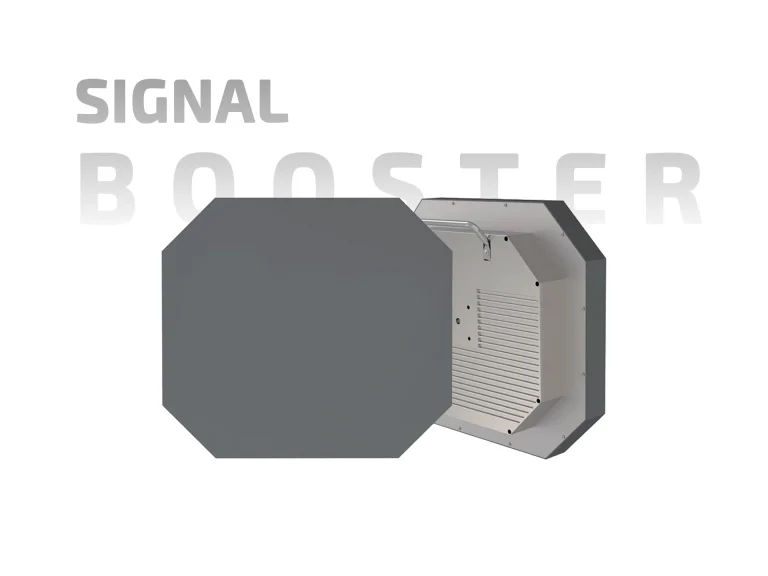
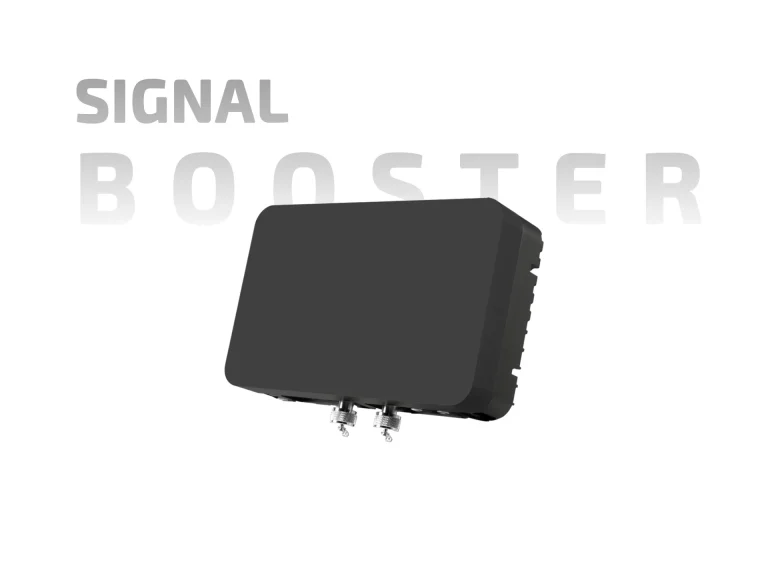
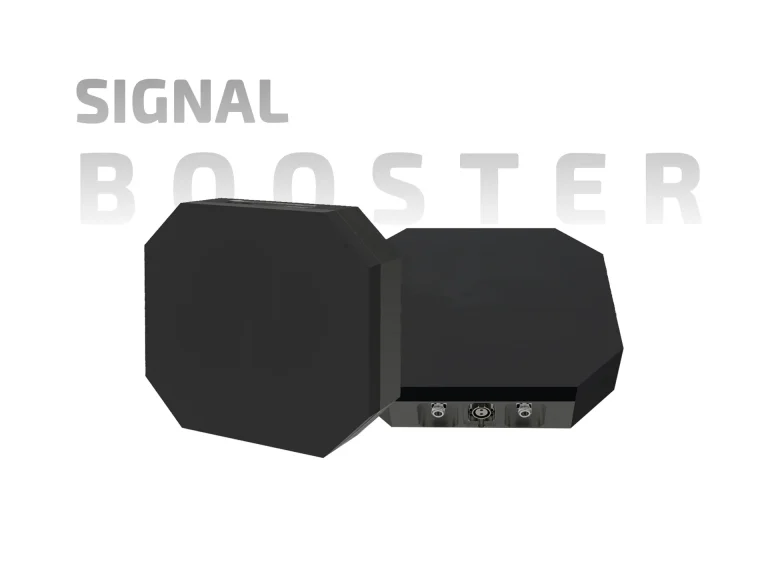
A Foshan-based training institution runs practical UAV courses in underground venues. The rooms sit below the main building, with thick concrete walls, low ceilings, and a growing amount of wireless training equipment. The requirement was clear: keep the 2.4GHz and 5.8GHz links stable enough for daily lessons.
The institution purchased 10 units of the ETLD-SA02 4W signal amplifier for UAVs from DRAKON. The units were installed at fixed points around the underground practice rooms and near temporary training stations.

Background and pain points
The training team was not trying to build a large coverage system. It needed reliable links in specific rooms and practice zones. Before the purchase, instructors spent too much time adjusting flight paths and transmitter positions to avoid dropouts.
The main issues were:
-
Uneven 2.4GHz and 5.8GHz coverage in underground rooms
-
Video feed dropouts during practical UAV exercises
-
Control link warnings when trainees moved behind concrete columns
-
Interference from other wireless training equipment
-
Long setup time when moving practice stations between rooms
-
A need for equipment that could keep running during power changes and temporary setups
These rooms are not open halls. They have columns, equipment racks, and low ceilings. That made simple “more power” approaches less useful than aimed, directional coverage.
Purchased product specification
| Product | Model | Quantity |
|---|---|---|
| 4W signal amplifier for UAVs | ETLD-SA02 | 10 |
The ETLD-SA02 is a dual-band signal amplifier for 2.4–2.5GHz and 5.0–5.8GHz operation. Key specifications include 4000mW (36dBm) output power, 16–19dB transmit gain, receiver gain ≤12dB, and a typical noise figure below 3.5dB. It supports IEEE 802.11b/g/n/a/ac, half-duplex TDD operation, and 20/40/80MHz channel widths.
The unit uses directional dual-frequency, dual-antenna output. Antenna gain is 14±1dBi at 2400–2500MHz and 16±1dBi at 5150–5350/5700–5900MHz. The input terminal is an N-K female connector, and the input power range is 0–20dBm, so it handles standard controller outputs safely. The cast aluminum housing measures 198mm x 182mm x 46mm and weighs 2.25kg. An internal 10.8V 4000mA (43.2Wh) battery supports operation without external power and includes a battery level display. The unit runs from a 12V/2A DC adapter with 100–240V input and is rated for -40°C to +70°C and up to 75% relative humidity.
Field results and data
The institution tracked performance over six weeks across four underground training rooms and one temporary practice area. The figures below come from instructor logs. They are not lab numbers, so they include real variables such as room layout, antenna aiming, and trainee traffic.
| Metric | Before deployment | After deployment |
|---|---|---|
| Average link dropouts per 90-minute session | 5.4 | 1.2 |
| Video/control link availability during exercises | 92.8% | 98.3% |
| Usable practice coverage in the main underground room | 17m | 29m |
| Repeated drills due to link issues | 14% | 4% |
| Average setup time when moving a practice station | 19 min | 8 min |
| Wireless complaints per week | 10 | 2 |
The biggest gain came from the directional dual-band output. In rooms where 5.8GHz was crowded, instructors used 2.4GHz for control and kept 5.8GHz for video where conditions allowed. The 36dBm output and 16–19dB transmit gain gave the link more headroom without forcing trainees to fly closer than the exercise required.
The receiver side also helped. With receiver gain ≤12dB and a typical noise figure below 3.5dB, the team saw fewer weak-signal warnings when trainees moved behind concrete columns. The link did not become immune to concrete, but it became predictable enough for routine training.
Power was another practical point. The internal 43.2Wh battery let staff move a unit to a temporary station and run checks before connecting the 12V/2A adapter. The battery level display saved time during room changes. The cast aluminum case held up to daily handling in a training environment.
One lesson from the project: aiming matters. The ETLD-SA02 is directional, so the team marked preferred mounting angles on the wall brackets. Once that became part of the setup routine, link performance became more consistent.
Project value
For this Foshan training institution, the value was not just a stronger signal. It was fewer interrupted exercises, faster room changes, and more confidence in daily UAV training.
With 10 units in service, the institution can support multiple underground venues without rebuilding the whole wireless setup. The signal amplifiers move with the practice stations. When a room is not in use, the unit can be shifted to another training area. That flexibility matters for a training centre where schedules change week to week.
The project also reduced operational friction. Fewer link dropouts mean less time troubleshooting and more time teaching. Shorter setup time means instructors can start exercises earlier. And because the ETLD-SA02 is built for outdoor use, it handles the dusty, semi-open underground areas without extra protection.
In short, the ETLD-SA02 gave the institution a practical 4W signal amplifier for UAV training: dual-band coverage, 36dBm output, low noise figure, battery backup, and a rugged cast aluminum housing. For training teams working in concrete-heavy underground rooms, that combination is easier to justify than a complicated permanent install.