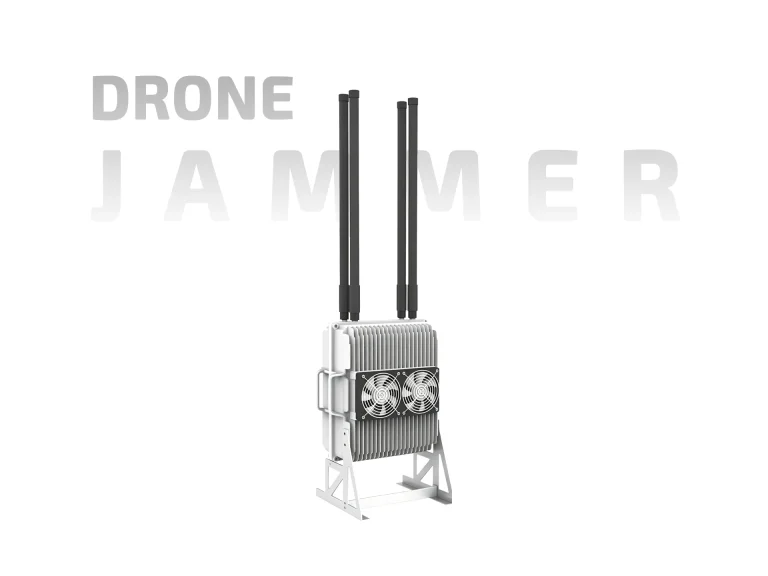
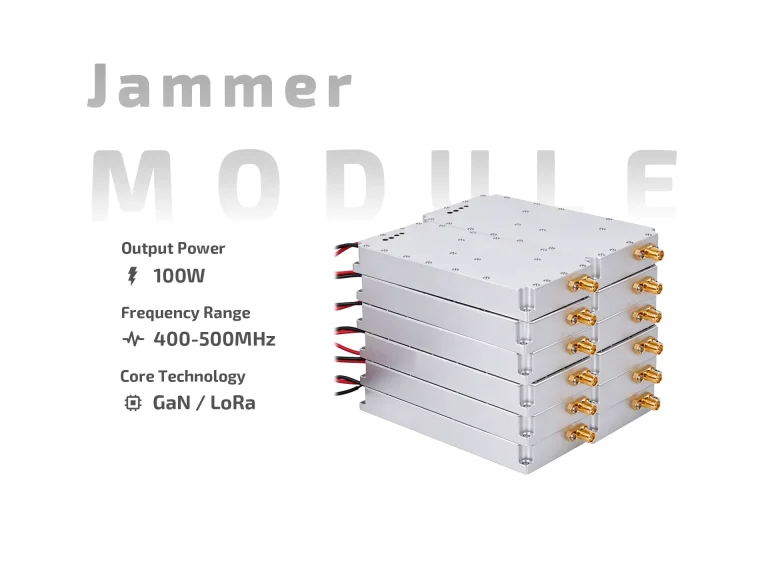
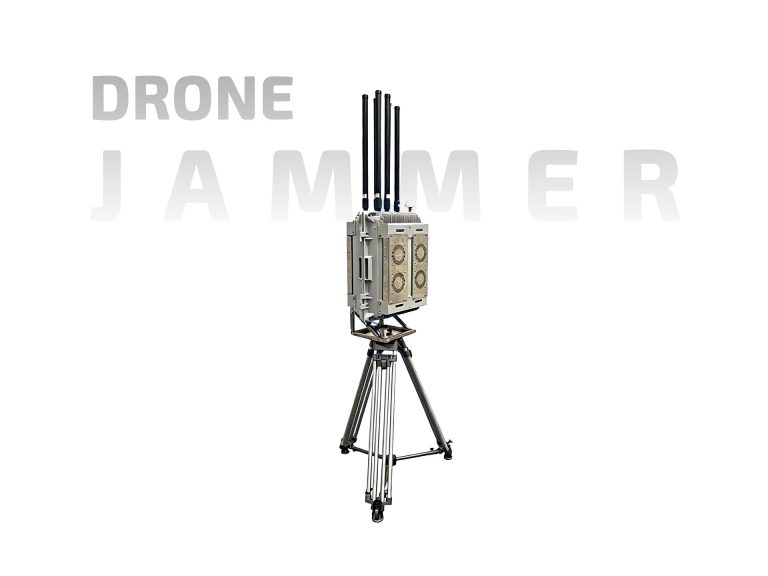
Military anti-drone systems are rarely a single product. They are layered counter-UAS (C-UAS) capabilities that combine detection, classification, command and control, and mitigation. For procurement teams, the challenge is not choosing the loudest sensor or the most publicized effector. It is building a defensible architecture that fits the operating environment, rules of engagement, and long-term support model.
This buyer-focused guide examines the questions that shape military anti-drone system decisions, from threat definition to lifecycle cost.

Define the operational problem before comparing vendors
A common procurement mistake is starting with a technology category—radar, RF detection, jamming, or kinetic intercept—before defining the threat and authority to act. A better starting point is to ask what the system must detect, where it must operate, and who is authorized to respond.
| Buyer question | Why it matters | Typical C-UAS consideration |
|---|---|---|
| What must be detected? | Small drones, RF-controlled drones, and autonomous platforms create different signatures | RF sensors, radar, EO/IR, acoustic sensors |
| Where will it operate? | Fixed bases, convoys, and dismounted patrols have different constraints | Fixed towers, vehicle-mounted systems, man-portable kits |
| What response is authorized? | Electronic and kinetic options carry different legal, safety, and collateral concerns | Jamming, spoofing, interceptors, net capture |
| Who makes the engagement decision? | Detect-to-engage timelines affect training and C2 design | Sensor fusion, operator workflow, rules of engagement |
The core layers of military anti-drone systems
Effective C-UAS architecture is usually layered. Detection alone may create awareness, but it does not complete the counter-drone mission. Classification and command-and-control layers determine whether operators can make timely, accurate decisions.
| Layer | Primary function | Procurement checks |
|---|---|---|
| Detection | Identify potential drone activity through radar, RF, EO/IR, or acoustic means | Coverage, clutter performance, low-signature detection, integration |
| Classification | Distinguish threats from false alarms and support track continuity | Latency, update cycle, behavior analysis, false-alarm rate |
| Command and control | Fuse sensor data and support engagement workflows | Open APIs, cyber hardening, human-in-the-loop controls |
| Mitigation | Provide authorized response options | Safety, collateral impact, spectrum approvals, escalation rules |
| Sustainment | Maintain readiness through training, spares, and software updates | Lifecycle support, obsolescence planning, local maintenance footprint |
Deployment profiles shape the requirement
Fixed-site and mobile C-UAS requirements should not be treated as interchangeable. A system designed for persistent base defense may not survive the power, vibration, and antenna-placement constraints of a vehicle-mounted convoy escort.
| Deployment profile | Strengths | Trade-offs |
|---|---|---|
| Fixed site | Persistent coverage and layered sensor placement | Infrastructure cost, blind spots, civil aviation coordination |
| Vehicle-mounted | Mobility for convoys and rapid repositioning | Power, vibration, antenna placement, crew workload |
| Dismounted/man-portable | Rapid setup and remote patrol support | Weight, battery life, limited range |
| Hybrid | Flexible cueing across fixed and mobile assets | Integration complexity and training burden |
What drives cost—and what to ask vendors
C-UAS cost is driven by more than hardware. Sensor count, coverage geometry, mitigation authority, integration with existing air-defense networks, operator training, spares, and software updates all affect the total program cost. Buyers should compare proposals against the same operational scenarios and require a multi-year lifecycle view.
For a detailed breakdown of price ranges and cost drivers, review our guide to Anti-Drone System Price: How Much Does a C-UAS Cost?. It helps procurement teams separate unit price from the cost of sustained readiness.
A practical evaluation checklist
-
Define detect-to-engage timelines and rules of engagement before vendor demonstrations.
-
Test against representative drone profiles, including low-altitude and swarm-like scenarios where appropriate.
-
Validate false-alarm performance in realistic clutter and civil airspace conditions.
-
Review cyber hardening, software update processes, and data-sharing controls.
-
Map integration with existing C2, air-defense, and base-security systems.
-
Calculate five-year lifecycle cost, including training, spares, and sustainment.
-
Confirm spectrum approvals, export considerations, and safety controls for mitigation options.
-
Require clear maintenance concepts and operator training plans.
FAQ
Are military anti-drone systems a single device?
No. Most effective C-UAS solutions combine multiple sensors, C2 software, and authorized mitigation options.
Is RF detection enough on its own?
Not always. RF detection can be valuable, but autonomous or low-emission drones may reduce its effectiveness. Layered sensing is often more resilient.
How should buyers compare proposals?
Use the same threat scenarios, performance metrics, integration requirements, and lifecycle cost assumptions across all vendors.
Conclusion
Military anti-drone systems should be procured as operational capabilities, not isolated gadgets. The strongest requirements begin with the threat, the environment, and the authority to respond—then align sensors, C2, mitigation, training, and sustainment around that mission. For budget planning, use the linked C-UAS pricing guide as a starting point, then validate costs against your own deployment profile and support model.