October 21, 2026
Professional Handheld Drone Detector: What Separates It from Consumer Gear
Choosing a professional handheld drone detector? Compare repeatability, training, data handling, support.
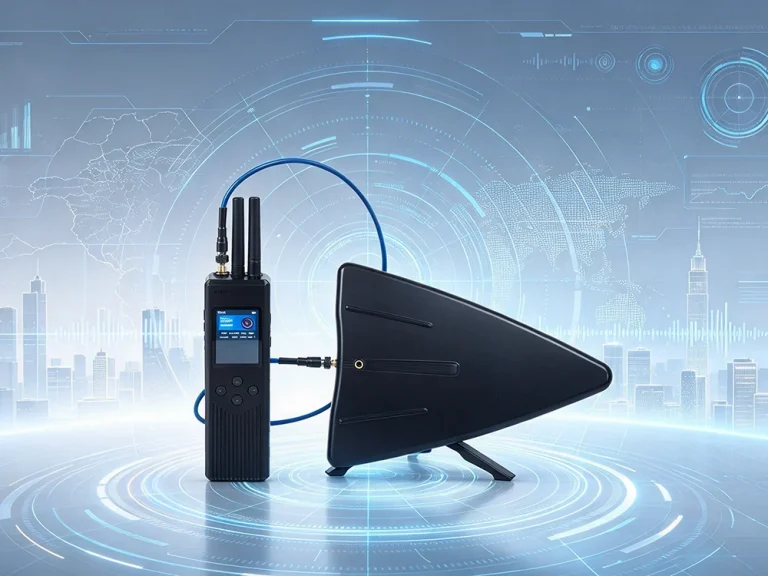

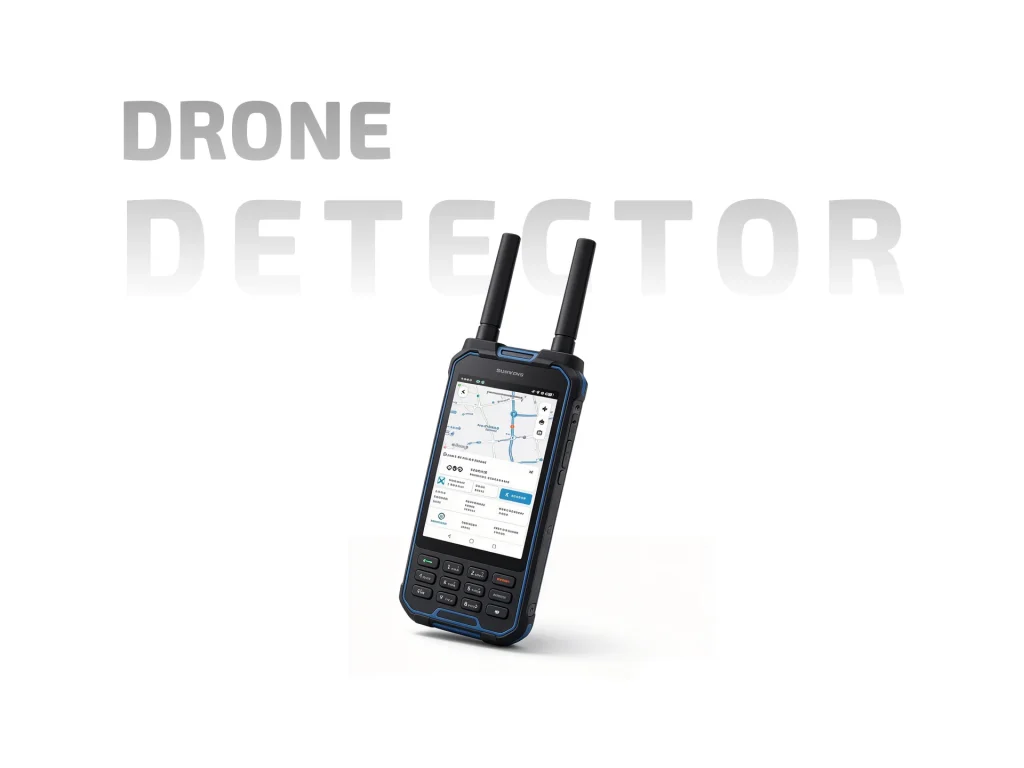
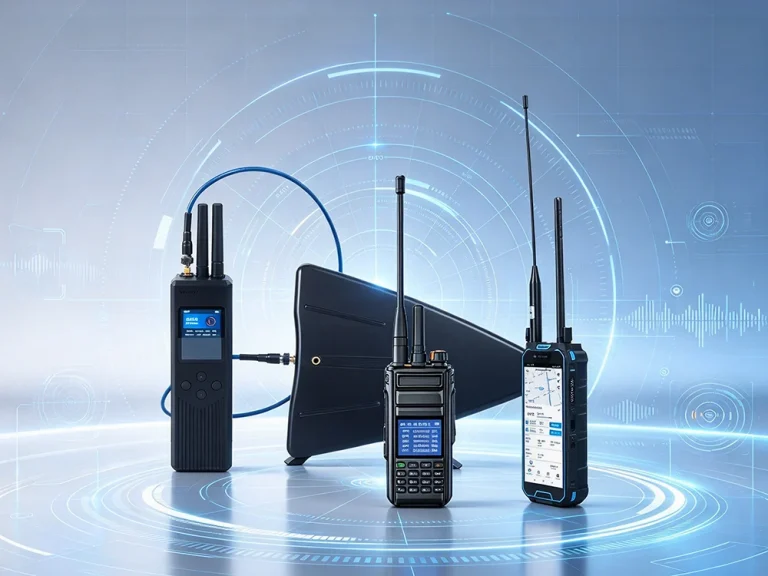
ETLD-HP2L handheld drone detector: 100–6000MHz, 1–3km, 6-inch screen, 6h battery, sound/vibration/pattern alerts, drone positioning & track.
The ETLD-HP2L is a receive-only handheld drone detector. It does not transmit, so it will not interfere with anything. You carry it to find out whether a drone is up, which link it is using, and where it is heading. That makes it a scouting tool: use it first, then decide whether a jammer or a report is the right next step. It suits patrols, gate posts and roof positions.

The tuning range runs from 100MHz to 6000MHz. This covers the usual control and video links used by small drones, and it leaves room to notice other traffic in the band. A wide receiver is not a guarantee that every drone will be caught, but it reduces the chance that a common link slips past because the detector was tuned too narrowly.
The spec lists 1–3km in open ground. Treat the low end as the realistic figure for most sites and the high end as a clear-sky result. Buildings, trees, hills and rain all shorten the distance. A drone flying low behind a ridge may not appear until it is much closer. Range is a guide, not a promise.
Battery life is listed at six hours. That is a full shift if you use it steadily, but not a full day without a charge. The 6-inch screen is large enough to read a track while standing, and it is where the pattern alert and position data appear. In direct sun, shade it or angle it; no handheld screen is at its best in glare.
Sound, vibration and on-screen pattern are all supported. Use sound on a quiet post, vibration in a noisy yard or when the unit is in a pocket, and the pattern alert when you are watching the screen. Switching modes takes a moment and is worth doing before the shift starts, not when a contact appears.
The unit supports drone positioning and track tracking. In practice, it marks a contact and follows its movement, which is more useful than a simple alarm. The position is an estimate, not a survey fix. Use the track to work out direction of travel and to decide where to look, not as a precise coordinate.
The HP2L is held in one hand. Keep the antenna clear of your body and metal objects, and check the battery before leaving the vehicle. A lanyard or wrist strap is sensible if you are working near an edge. The unit is portable, but it is still a piece of equipment: treat it like a radio, not a phone.
Detection is not identification. The detector will not tell you the model, and it will not jam the drone. Walls and terrain block RF, so a contact behind a building may never appear. Battery life is finite. These limits are normal for a handheld detector, and knowing them keeps expectations in line.
If your job involves watching airspace, a receive-only detector is the least disruptive tool you can carry. It listens, it does not transmit, and it gives you a reason to act or to stand down. The ETLD-HP2L handheld drone detector adds reach and a readable screen to that basic idea.
| Parameter | Specification | Notes |
| Detection frequency | 100–6000MHz | Wideband receiver |
| Detection range | 1–3km | Open ground |
| Battery life | 6 hours | Use dependent |
| Display | 6-inch screen | Pattern/track view |
| Alert modes | Sound, vibration, on-screen pattern | Selectable |
| Positioning/track | Drone positioning + track tracking | Estimate, not survey fix |
| Form factor | Handheld | Portable |
| Receive only | Yes | No transmission |
Choosing a professional handheld drone detector? Compare repeatability, training, data handling, support.
Choosing a lightweight handheld drone detector? Compare weight trade-offs, battery life, ergonomics, and field tests before you buy.
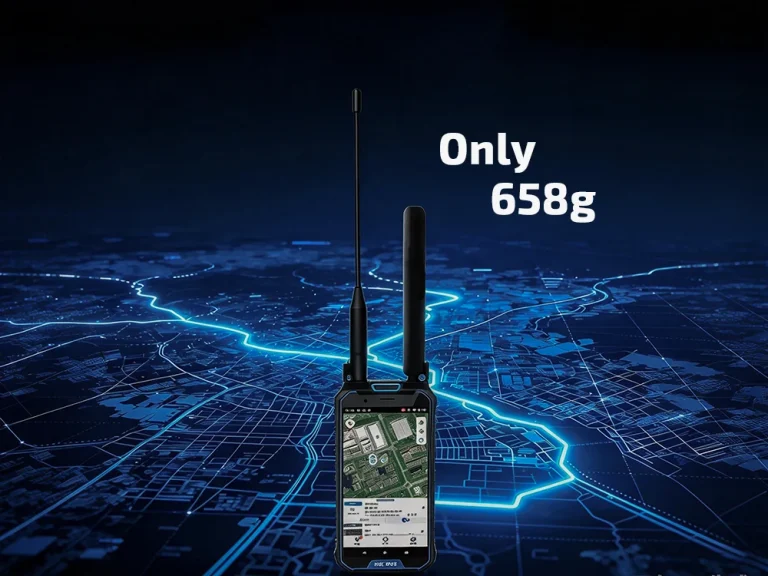
Buying handheld drone detection equipment? Compare RF sensitivity, ergonomics, battery life, false alerts, and field validation before you choose.