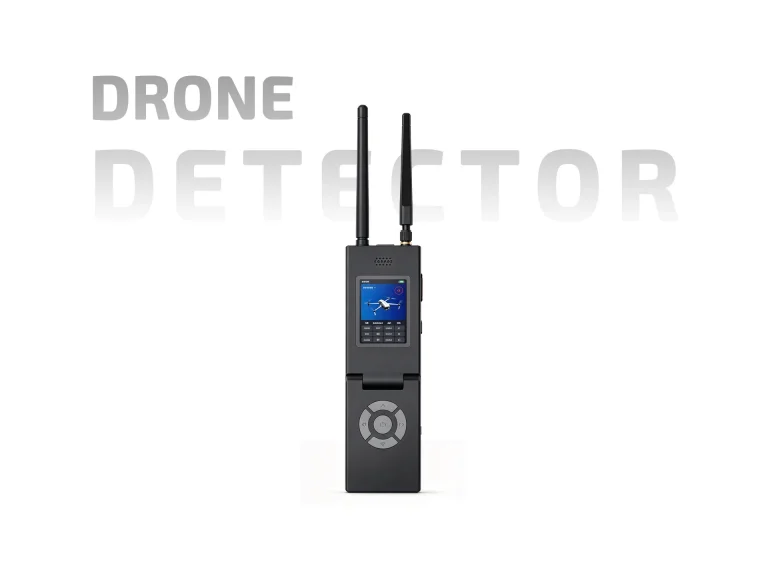
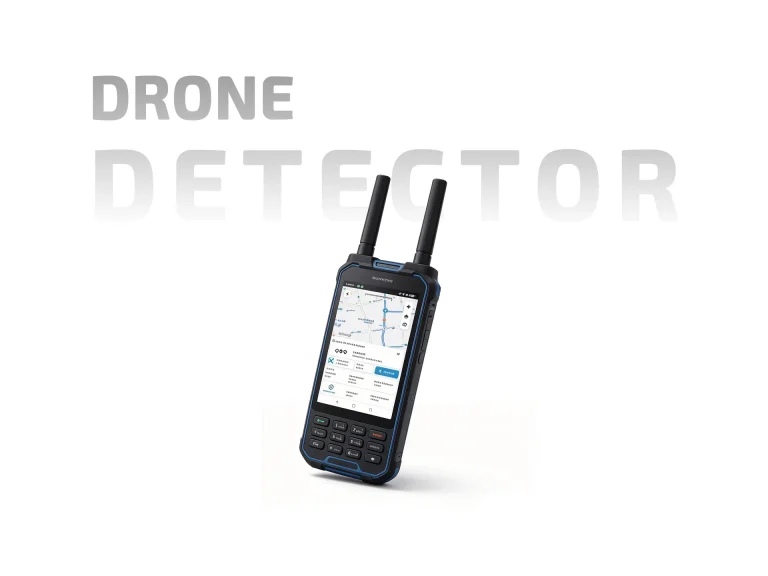
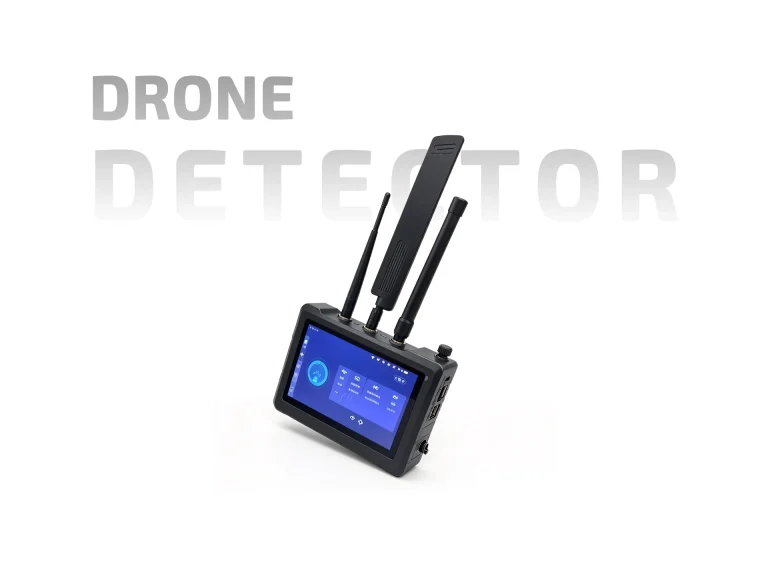
A professional handheld drone detector is not simply a consumer unit with a higher price tag. The difference appears in repeatability, documentation, training, and support—the qualities that let a security team deploy the same capability across multiple operators and shifts. On a datasheet, these qualities are almost invisible. In the field, they decide whether the device becomes a trusted tool or an expensive item that nobody wants to carry.

The professional label is earned in the field
Consumer-grade handheld detectors are often judged by a single demonstration: point the device at a drone, hear an alert, conclude it works. Professional buyers need more. They need to know how the unit performs on a rainy Tuesday, in a crowded RF environment, with an operator who has used it for three hours and is starting to fatigue.
That is why professional procurement focuses on consistency. A detector that works brilliantly for one trained specialist but produces inconsistent results across a shift roster is not a professional instrument. It is a specialist tool with limited deployment value.
For a broader look at handheld detection tasks and their limits, our handheld drone detection equipment field guide covers ergonomics, training, and validation routines in more detail.
Professional vs. entry-level: a comparison that matters
The table below contrasts the qualities that separate professional handheld detectors from entry-level alternatives. It is not about brand tier; it is about what a team can rely on.
| Evaluation area | Entry-level signal | Professional-grade requirement |
|---|---|---|
| Detection repeatability | Works in demo conditions | Consistent results across shifts and operators |
| Alert clarity | Basic tone or light | Classified alerts with bearing and timestamped log |
| Training and documentation | Quick-start card | Structured course and written operating procedures |
| Data handling | Limited or no export | Exportable logs, time synchronization, integration support |
| Support model | Email-only, unclear firmware policy | Defined SLA, published update cadence, spare-part list |
| Environmental durability | Light indoor use | Tested for drop, rain, heat, and dust |
A professional unit does not have to be the most sensitive detector on the market. It has to be predictable. Predictability comes from calibration discipline, clear alerts, and a support structure that keeps the device operational.
Three tests that expose professional readiness
Before comparing specifications, run three practical tests.
First, the operator swap test. Hand the unit to a second trained operator and compare detection results. If performance drops sharply, the device depends too much on individual technique.
Second, the shift test. Run the unit through a realistic patrol cycle, including battery swaps and temperature changes. Record how alert volume and screen readability change over time. Our guide to a lightweight handheld drone detector explains why full-kit weight and battery endurance matter more than the main unit’s gram count.
Third, the data handoff test. Export a log and pass it to another system or team. If the data cannot be time-stamped, read, or integrated, the detector creates an information dead end.
Team deployment changes the requirement
Buying one professional handheld detector is a procurement decision. Deploying twenty is a capability decision. Professional teams need standardized training, compatible accessories, consistent firmware, and a spare-parts pool. They also need a clear rule for when a handheld alert should trigger a wider response.
That is why professional buyers should ask about training materials, language support, and whether the supplier offers train-the-trainer programs. A device that requires a factory technician for every configuration change will not scale.
A procurement checklist for professional buyers
Use the questions below to structure supplier discussions.
| Topic | Question to ask |
|---|---|
| Repeatability | How is unit-to-unit consistency verified before shipment? |
| Training | What formal training is included, and in what language? |
| Data | Can logs be exported, time-stamped, and integrated with our platform? |
| Firmware | What is the update cadence and change-notification process? |
| Spares | What is the recommended spare-part list and turnaround time? |
| Warranty | What does the warranty cover, and what voids it? |
| Environmental limits | What drop, rain, and temperature tests has the unit passed? |
Closing perspective
A professional handheld drone detector is a capability, not a gadget. The right unit delivers consistent alerts, clear data, and dependable support across a team. The wrong unit delivers impressive demonstrations and disappointing shifts. Define the deployment, test with multiple operators, and confirm the support model before you commit. That is how professional buyers separate field-ready equipment from catalog promises.