October 19, 2026
Multi-Band Drone Jammer Guns: Market and Compliance Guide
An industry overview of multi-band drone jammer guns: design trade-offs, procurement checks, deployment limits, and legal compliance.
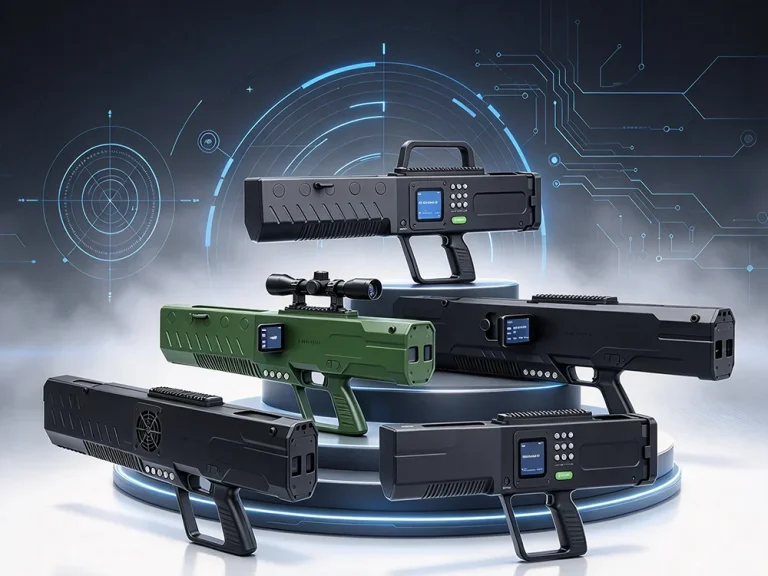

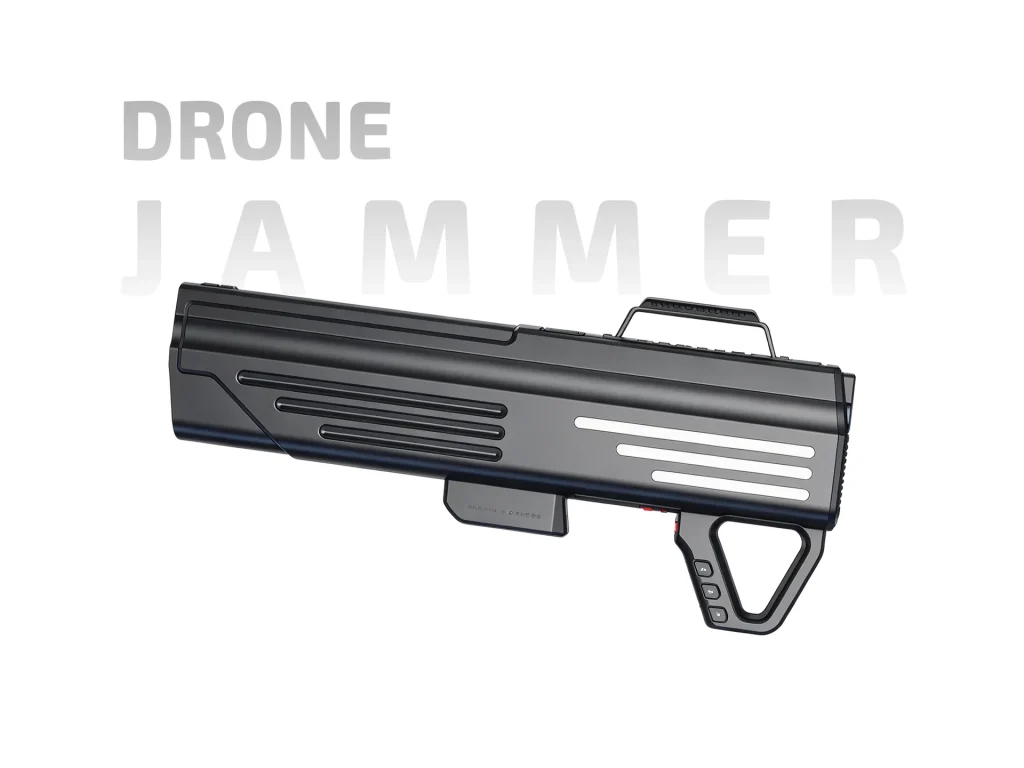
ETLD-JGF1 5-band drone jammer gun: 900M/1.2G/GPS/2.4G/5.8GHz P2 set, customizable, 5 channels, 0–2000m, fixed battery.
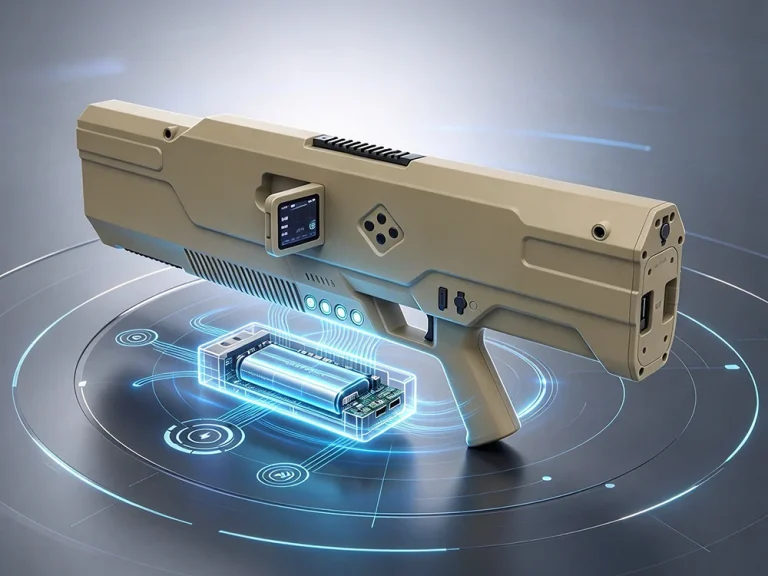
The ETLD-JGF1 is a handheld drone jammer gun for authorized drone response. It carries five channels in the common P2 set: 900M, 1.2G, GPS, 2.4G and 5.8GHz. The listed jamming distance is 0–2000m, and the battery is built in rather than removable. It does not detect or track. Think of it as the response step after a drone has already been spotted and the operator has clearance to act.

P2 groups several widely used links into one configuration. 900M and 2.4G often carry control traffic, 5.8GHz is common for video, and GPS is included as a separate target. The 1.2G entry appears in the P2 label, while the shorter band list in the same listing omits it. Buyers should ask for the final band chart in writing and confirm which bands are active on each channel. Customization is available, so a site with a known frequency profile can adjust the set instead of accepting a fixed layout.
Five channels means five output paths, not five separate devices. Channel assignment depends on the factory configuration. A band may share a channel or have its own, so the number alone does not describe coverage. Before a shift, check the selected profile and confirm the channel layout matches the task. Keep a written note of which channel serves which band; this avoids confusion when operators rotate.
The 0–2000m figure is a maximum planning value. Effective distance changes with antenna direction, terrain, buildings, drone altitude and the link being targeted. Open line of sight gives the best result. From a low position or inside a building, expect much shorter performance. Test at the actual site and record distance by band. A setting that works on open ground may not hold at a gate surrounded by metal structures.
The battery is not removable. That changes field routine: you cannot swap packs mid-task. Charge before each shift and check the level before leaving. Plan tasks around the available runtime and keep a power source in the vehicle for top-ups between jobs. Avoid deep discharges and do not charge in extreme heat or cold. Confirm charger type and charging time with the supplier. If a task is likely to run long, schedule a break rather than pushing the pack to shutdown.
A gun-style body suits short, aimed use. Point the front toward the target area and keep the antenna clear of your body and nearby metal. For longer work, use a rest position. Jamming affects radio links and is regulated in most countries. Use the ETLD-JGF1 only where authorization exists, with trained operators, and follow site rules. Detection should come first; jamming is a permitted response step, not a substitute for procedure.
The ETLD-JGF1 suits security teams, event operators and site managers who already have a drone response plan and need a compact five-band jammer. It is less suitable for users who need detection, tracking or broad frequency coverage. Because the unit is a jammer, the purchase decision should include legal review, operator training and a record of authorized use.
Confirm the final band chart, channel assignment, charger type and battery service life. Ask whether 1.2G is included in the delivered configuration. Check local rules and whether the site requires a different custom set. A short written checklist at handover prevents most field errors.
The ETLD-JGF1 5-band drone jammer gun packs five P2 bands, 0–2000m listed range and a fixed battery into a handheld jammer gun. It is a practical close-range tool for authorized teams that plan around its power limits and confirm the band layout before use.
| Parameter | Specification | Notes |
| Jamming frequency | 900M, 1.2G, GPS, 2.4G, 5.8GHz (P2, customizable) | Confirm final chart |
| Channel count | 5 | Assignment depends on configuration |
| Jamming range | 0–2000m | Planning figure; site dependent |
| Battery | Non-removable | Charge before each shift |
| Common P2 set | 900M+1.2G+GPS+2.4G+5.8GHz | Custom options available |
| Customization | Frequency customizable | Match local band plan |
| Form factor | Gun-style handheld jammer | Short, aimed use |
| Short band list | 900M, GPS, 2.4G, 5.8GHz | 1.2G appears in P2 label |
| Use | Authorized drone response | Not a detector |
| Power note | Built-in pack | No mid-task swap |
An industry overview of multi-band drone jammer guns: design trade-offs, procurement checks, deployment limits, and legal compliance.
Drone jammer gun battery life affects deployment time, power choices, and cost. Learn runtime factors, battery types, and procurement tips.
Compare backpack vs handheld drone jammer systems. Discover which portable RF jammer suits your security needs with our 7 essential factors.