October 19, 2026
Multi-Band Drone Jammer Guns: Market and Compliance Guide
An industry overview of multi-band drone jammer guns: design trade-offs, procurement checks, deployment limits, and legal compliance.
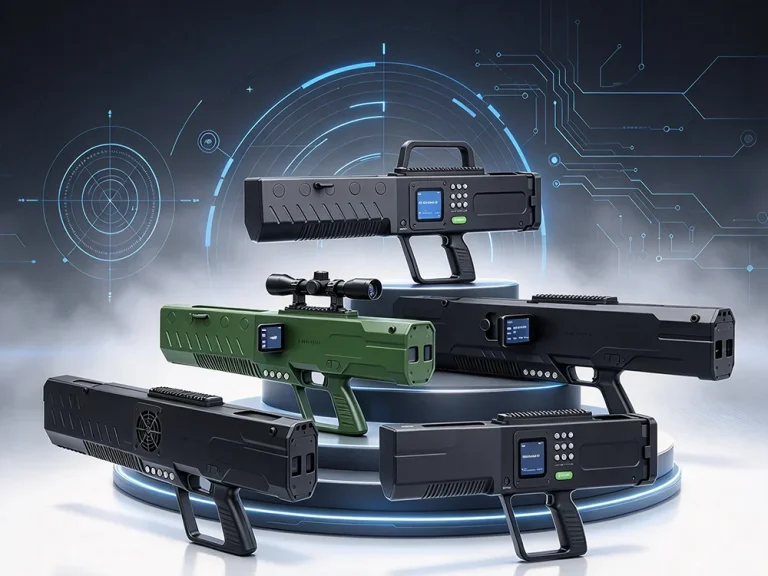

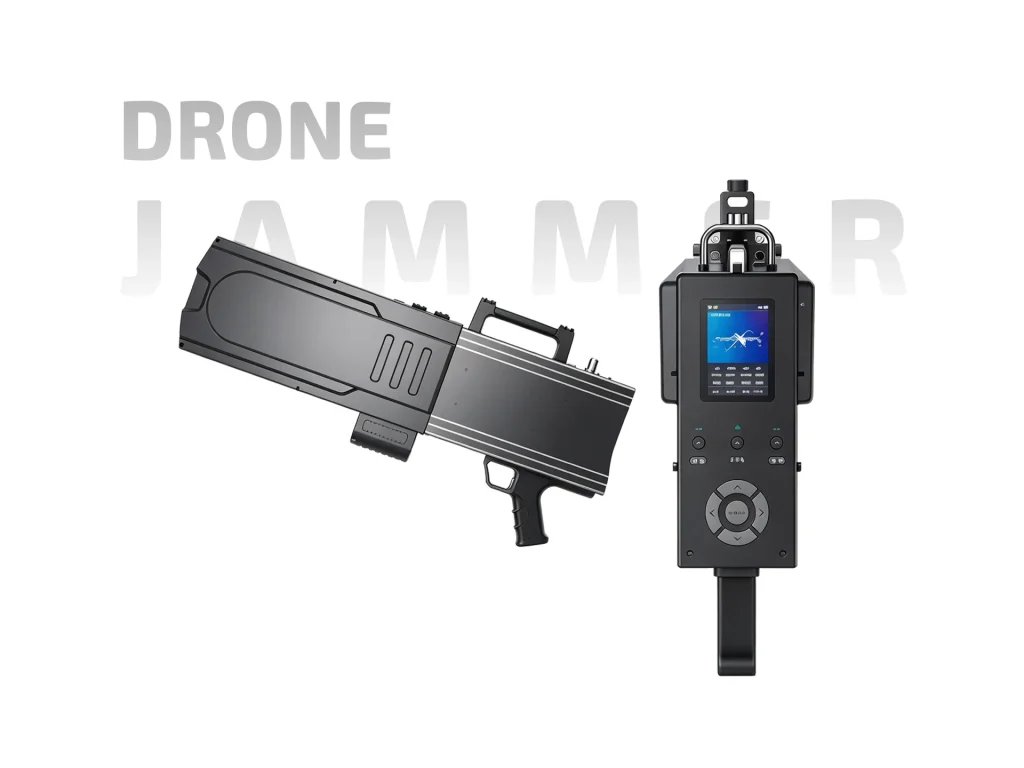
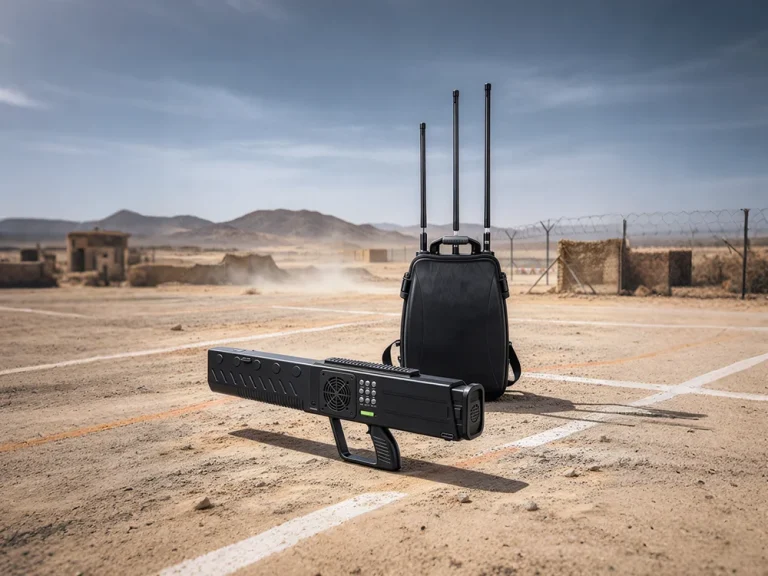
ETLD-JGF5J SDR drone jammer gun: 400–6000MHz, 0–2000m, ≥12 full-band channels, 3-inch LCD, removable battery, custom bands.
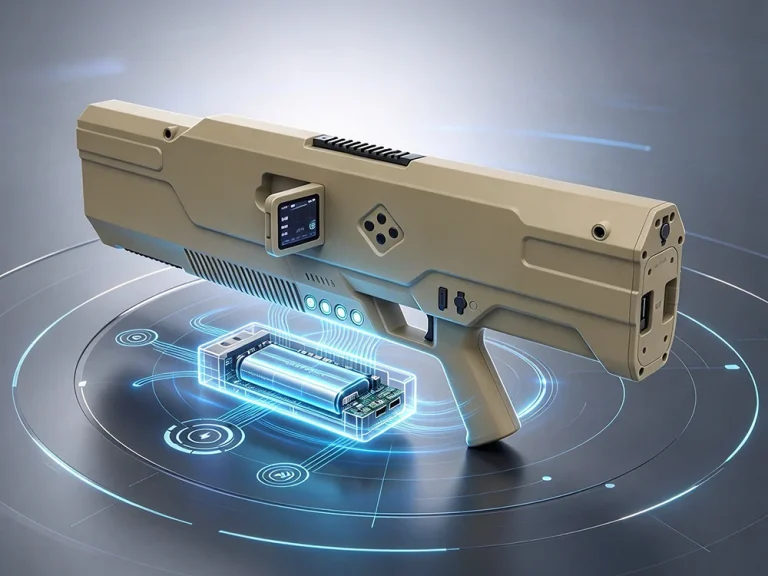
The ETLD-JGF5J is a gun-style jammer built around SDR digital architecture. It is intended for authorized operators who need a portable response tool when a drone enters a protected area. The unit covers 400–6000MHz, offers full-band jamming with at least 12 channels, and lists a working range of 0–2000m. A 3-inch LCD and removable battery complete the field kit.

SDR means the signal chain is software-defined rather than fixed by a single hardware circuit. In practice, that gives operators a more flexible platform for digital jamming and for setting custom jamming bands. Instead of carrying several single-purpose units, a team can configure the ETLD-JGF5J around the bands it expects to meet. The digital approach also makes channel and band settings easier to review before deployment.
The standard tuning range is 400–6000MHz. Full-band operation uses at least 12 channels across that span, with a listed jamming distance of 0–2000m. “At least 12 channels” matters because drone links are not all in one place; spreading output across multiple channels helps cover more potential control and video links. Custom jamming bands are supported, so a site with known frequency use can focus on relevant slices rather than a broad sweep.
The 0–2000m figure is a maximum planning guide, not a guarantee. Range changes with antenna orientation, terrain, buildings, drone altitude, and the link being targeted. Open ground with clear line of sight is the best case. Urban sites, indoor use, or low-angle positions will usually shorten effective distance. Test the unit at the actual site and record results by band; a setting that works on one rooftop may perform differently at a gate checkpoint.
A 3-inch LCD gives the operator a compact readout for settings and status. It is small enough to suit a gun-style body but still useful for checking mode and band selection before firing. The battery is removable, which supports shift changes: keep a charged pack on hand and swap rather than waiting for a recharge. Confirm charger type and spare battery availability with the supplier, since field power plans vary. Antenna direction also matters. Keep the front pointed toward the target area and avoid blocking the antenna with the body or nearby metal. For longer tasks, use a support or rest position rather than holding the unit up for the full shift.
Custom jamming bands let a team build profiles for different tasks. For example, one profile may cover a narrow set of control links, while another uses full-band coverage when the link is unknown. Keep a simple log: profile name, band range, channel count, site, and result. That record helps operators repeat good settings and avoid confusion between shifts. Before use, check that the selected profile matches the authorized task.
Drone jamming affects radio communications and is tightly regulated in most countries. Use the JGF5J only where authorization exists, by trained operators, and under the rules that apply to the site. It is not a consumer gadget. Plan a response procedure: detect first, identify the authority to act, then jam only as permitted. Keep the device away from sensitive equipment and people who are not part of the operation. Because jamming can disrupt nearby links, a short test and clear coordination with site management are sensible.
The ETLD-JGF5J combines SDR digital jamming, 400–6000MHz coverage, at least 12 full-band channels, 0–2000m listed range, a 3-inch LCD, removable battery, and custom band support in one portable unit. It suits authorized teams that need a configurable drone jammer gun and are prepared to plan range, power, and legal use around the actual site.
| Parameter | Specification | Notes |
| Jamming frequency | 400–6000MHz | SDR digital platform |
| Jamming range | 0–2000m | Site conditions affect results |
| Full-band channels | ≥12 channels | 400–6000MHz full-band operation |
| Display | 3-inch LCD | Settings and status readout |
| Battery | Removable | Spare pack supports shift changes |
| Jamming mode | Digital jamming; custom bands | Configure by task |
| Form factor | Gun-style portable unit | Handheld use |
| Full-band coverage | 400–6000MHz | At least 12 channels |
| Custom bands | Supported | Match local band plan |
| Range note | 0–2000m listed | Test at actual site |
An industry overview of multi-band drone jammer guns: design trade-offs, procurement checks, deployment limits, and legal compliance.
Drone jammer gun battery life affects deployment time, power choices, and cost. Learn runtime factors, battery types, and procurement tips.
Compare backpack vs handheld drone jammer systems. Discover which portable RF jammer suits your security needs with our 7 essential factors.