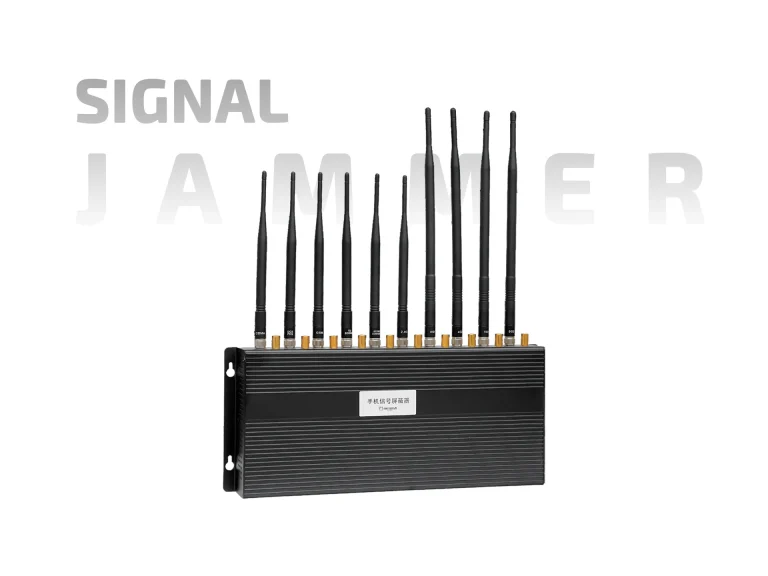
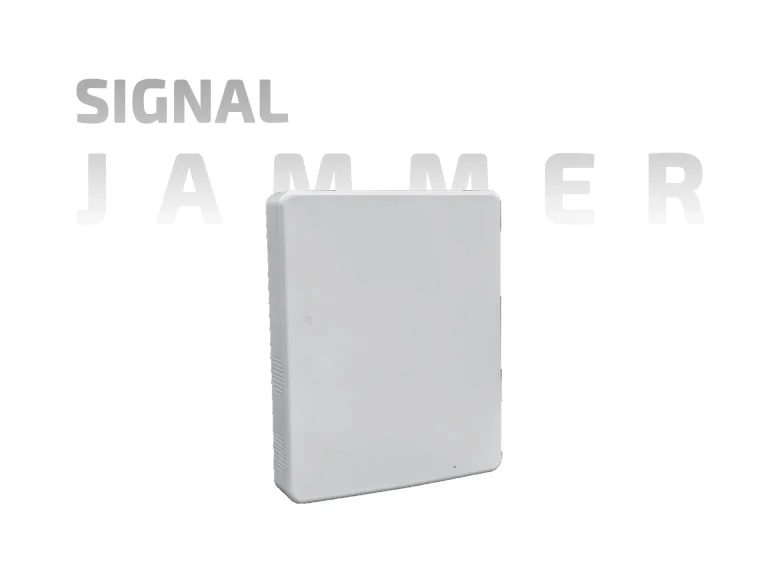
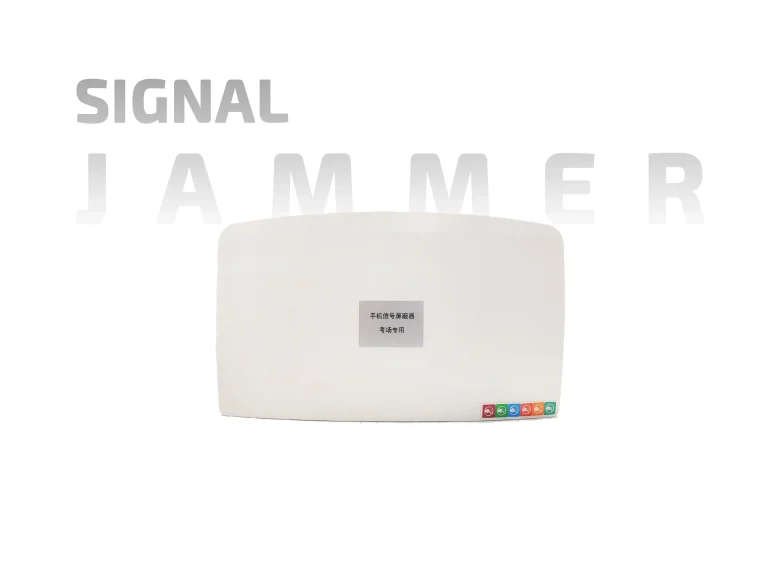
Procurement teams often begin with a simple question: what is the signal jammer price? The honest answer is that no credible supplier can quote a single number without understanding deployment scope, frequency bands, output power, and legal authorization. A device sold for one market may be unsuitable—or unlawful—in another. For authorized buyers, price should be evaluated alongside compliance, lifecycle support, and total cost of ownership.

Why Signal Jammer Price Varies So Much
Several technical and commercial factors move the quote:
-
Frequency bands and coverage: Multi-band units require more components, filtering, and tuning. Wider coverage usually raises cost.
-
Output power and cooling: Higher-power systems need stronger thermal design, reliable power supplies, and safer installation.
-
Form factor and installation: Handheld, vehicle-mounted, room-level, and fixed-site products carry different engineering and integration costs.
-
Compliance and documentation: Certification, test reports, export controls, and legal review add cost—but they protect buyers.
-
Order volume and support: Spare parts, training, warranty terms, and after-sales service all affect the final price.
Before requesting quotes, it helps to understand the operating principle. See How Does a Signal Jammer Work for a plain-English overview of bands, power, and deployment limits.
Market Tiers at a Glance
The table below is illustrative rather than a price list. Final quotes depend on specifications, market, certification, and local legality.
| Product category | Typical authorized use case | Illustrative price band (USD) | Main cost drivers |
|---|---|---|---|
| Portable handheld | Short-range authorized inspections | $150–$600 | Band count, battery, enclosure |
| Vehicle-mounted | Mobile authorized operations | $800–$4,000 | Power, antennas, installation |
| Desktop / room-level | Controlled venue or lab use | $400–$2,000 | Tuning, filters, cooling |
| Fixed high-power | Infrastructure-style authorized sites | $3,000–$15,000+ | Multi-band design, thermal system, integration |
| Custom multi-band | Project-specific deployments | Quote-based | Engineering, certification, support |
What a Low Quote May Not Include
A low headline price can become expensive if important items are missing. Check whether the quote includes compliance documents, quality antennas and filters, installation support, training, spare parts, and warranty coverage. Ask about frequency stability and power consumption, because cheap components can shorten service life and create operational risk.
Legitimate vendors should also discuss legal boundaries openly. Buyers should avoid suppliers who promise “no questions asked” operation. In many jurisdictions, signal jamming is tightly restricted or prohibited except for authorized users. Price comparisons should therefore begin with a written compliance brief, not a product listing.
A Practical Procurement Checklist
-
Confirm legal authority and written approval for the intended use.
-
Define required frequency bands, coverage area, and exclusion zones.
-
Request test reports, certification, and technical specifications.
-
Compare total cost: device, installation, spares, training, and warranty.
-
Ask for references from similar authorized deployments.
-
Clarify lead time, export controls, and after-sales support.
-
Reject suppliers who cannot explain compliance requirements.
FAQ: Signal Jammer Price and Compliance
Is the cheapest signal jammer price the best value?
No. The lowest offer may omit filters, certification, support, or reliable components.
Can price alone indicate quality?
No. Buyers should compare specifications, test data, warranty terms, and supplier experience.
Why do quotes differ by region?
Local regulations, certification requirements, shipping, and service networks can change the final cost.
Does a higher price guarantee legal use?
No. Legal authorization is separate from product price and must be confirmed before procurement.
Final Takeaway
Signal jammer price is a planning range, not a commodity sticker. Authorized buyers should start with a compliance-first brief, compare like-for-like specifications, and request transparent quotes. The best value is the system that meets the operational requirement legally, reliably, and with proper support—not simply the lowest offer.