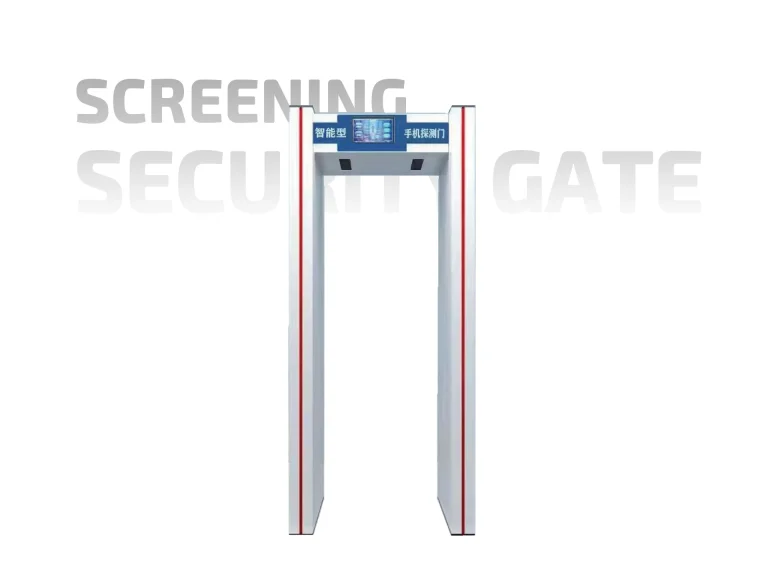
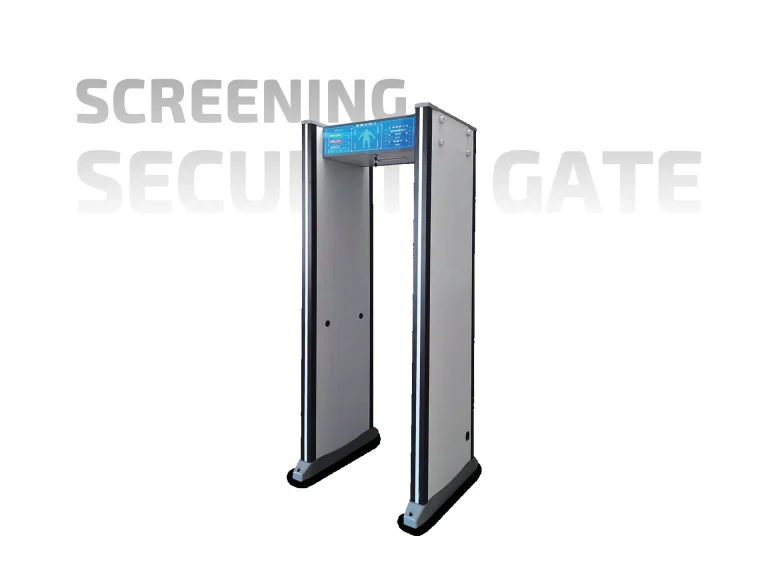
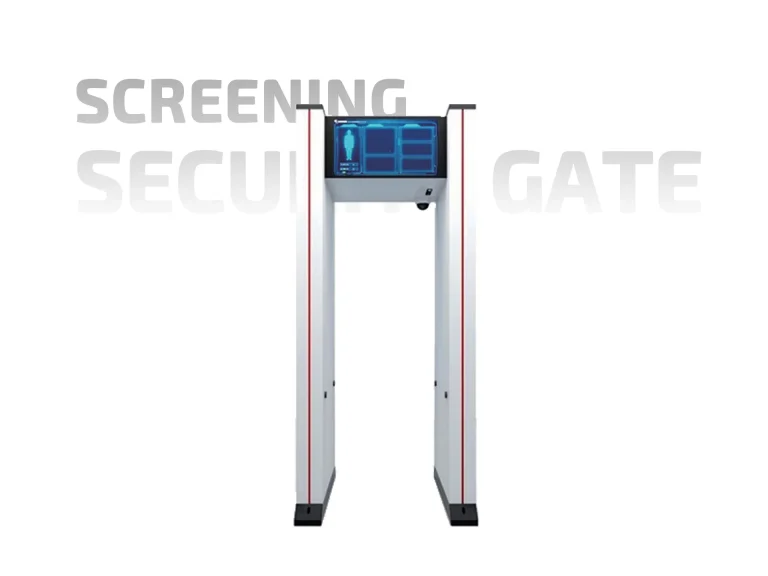
A walk-through metal detector gate at a permanent venue has walls, wiring, and a maintenance schedule behind it. At an event, it has a generator, a patch of grass, and a crew that may be setting up the same gate for the third time this month. The equipment is similar; the deployment context is not.
This guide focuses on the temporary side of event screening: how to plan gate placement when the site is not permanent, how to handle the compressed ingress window, and what to do about power, weather, and teardown.

Why event deployment is a different problem
Three conditions separate event screening from fixed checkpoint screening:
-
The site is temporary. Ground may be uneven, power may be generator-fed, and there may be no permanent shelter.
-
Ingress is compressed. Most attendees arrive in a short window, so the gate must perform at peak from the first minute.
-
The crew may be new to the site. Staff rotate between events, and briefing time is limited.
These conditions do not change what a metal detector gate does. They change how much planning must happen before the gate arrives on site.
Plan gate placement before the site is built
At a permanent venue, gate placement is often constrained by walls and existing infrastructure. At an event, placement is a design decision—and a reversible one. That flexibility is useful, but it also means placement mistakes are easy to make.
Use the checklist below during site planning. Each item should be confirmed before the gate is delivered, not after.
| Planning item | What to confirm | Why it matters for events |
|---|---|---|
| Ground surface | Level, stable, and dry enough to support the gate | Uneven or soft ground affects alignment and can cause false alarms |
| Power source | Generator or temporary supply with stable output | Voltage fluctuation affects alarm consistency |
| Distance from metal structures | Clear of steel barriers, stage rigging, and parked vehicles | Nearby metal distorts the detection field |
| Queue space | Enough room for attendees to remove metal items before the gate | Compressed ingress makes queue space more critical, not less |
| Secondary screening area | A marked area away from the main flow | Alarm resolution must not block the gate |
| Weather exposure | Shelter or rain cover for outdoor units | Temporary sites rarely have permanent protection |
| Teardown access | A route for removing the gate after the event | Poor access slows teardown and risks equipment damage |
A useful habit is to walk the site at the same time of day as the event. Shadows, lighting, and ground conditions look different in the evening than at midday.
Match gate count to peak ingress, not total attendance
Event organizers often estimate gate numbers from total attendance. Peak ingress is the better figure. A 15,000-person event with a 90-minute arrival window may need more gates than a 30,000-person event spread across four hours.
The table below offers a rough starting point for planning discussions. Actual requirements depend on bag check method, attendee profile, and lane design.
| Peak arrival rate (people/hour) | Indicative gate count | Notes |
|---|---|---|
| Under 500 | 1–2 | Single lane may suffice with manual bag check |
| 500–1,500 | 2–4 | Consider separate bag check and detector lanes |
| 1,500–3,000 | 4–8 | Multiple lanes; supervisor span becomes important |
| 3,000–6,000 | 8–15 | Lane balancing and secondary screening capacity are critical |
| Over 6,000 | 15+ | Dedicated ingress plan; consider staggered entry times |
These figures assume attendees arrive prepared and alarms are resolved efficiently. If the event expects many first-time attendees or a high proportion of bags, add capacity.
Temporary power needs more attention than permanent power
At a permanent site, the gate plugs into a circuit that has been tested and labelled. At an event, the gate may share a generator with lighting, catering equipment, or stage audio. That shared load can cause voltage fluctuations that affect alarm behaviour.
Practical steps for temporary power:
-
Request a dedicated circuit or a generator with stable output for screening equipment.
-
Avoid sharing circuits with motors, heaters, or dimming lighting.
-
Use power protection where the supply is uncertain.
-
Test the gate on the actual power source before doors open, not just at the depot.
If the gate behaves erratically on site, check the power supply before adjusting sensitivity. A setting that worked at the warehouse may behave differently on generator power.
Weather protection is not optional for outdoor events
Outdoor units may be rated for weather exposure, but temporary sites rarely provide the shelter that permanent installations have. Rain, direct sun, and temperature swings can all affect performance and equipment life.
| Weather condition | Risk | Practical response |
|---|---|---|
| Rain | Moisture ingress; slippery ground; attendee discomfort | Rain cover for the gate; non-slip matting; covered queue area where possible |
| Direct sun and heat | Overheating electronics; attendee fatigue | Shade for the control unit; water access; consider gate orientation |
| Wind | Gate movement; shelter instability | Secure mounting; check shelters and signage |
| Cold | Display performance; staff comfort | Shelter for operators; rotation plan |
Weather plans should be written into the event operations document, not left to the crew on the day.
Keep the alarm resolution routine short and repeatable
At an event, staff may be briefed once and then work a four-hour shift. The alarm resolution routine needs to be simple enough to remember under pressure. A short script works better than a long procedure document.
A workable sequence for event lanes:
-
Direct the attendee to a marked point outside the gate.
-
Ask them to remove the likely item if it is obvious and safe to do so.
-
Re-pass through the gate if the item is removed.
-
If the alarm persists, use a hand-held detector and follow the site search procedure.
-
Escalate to the supervisor or secondary screening area if unresolved.
The routine should be practised during the pre-event walk-through, including at least one deliberate alarm. Staff should also know the procedure for attendees who cannot pass through a standard gate, including people using wheelchairs or medical devices.
Plan teardown before the event opens
Teardown is often an afterthought, but it affects equipment life and the cost of the next event. Gates that are moved without protection are more likely to be damaged, and damaged gates are more likely to fail at the next deployment.
Practical teardown steps:
-
Confirm the removal route before the event, including door widths and vehicle access.
-
Protect the gate during transport with covers or cases.
-
Record the gate’s condition before and after the event.
-
Test the gate at the depot before it goes to the next site.
A gate that is tested at the start of every shift and inspected at teardown is easier to trust at the next event.
Where the other guides fit
Event deployment sits within a wider screening plan. Bag check procedures and staffing models for events are covered in the event security screening guide. Sensitivity settings and testing routines are covered in the sensitivity guide. Budget planning, including what sits outside the gate quote, is covered in the price guide.
Final takeaway
Walk-through metal detector gates for events work best when they are planned as a temporary deployment, not a permanent installation moved outdoors. Confirm ground, power, and metal clearance before delivery. Size gate count to peak ingress rather than total attendance. Protect the gate from weather and transport damage. Keep the alarm resolution routine short enough to remember. And plan teardown before the event opens. Those steps make the gate easier to run on the day and easier to reuse at the next site.