Project Background and Pain Points
A city in Jiangsu Province launched a metro security upgrade across several busy stations. The existing screening setup relied on older walk-through metal detectors and a mix of handheld wands from different suppliers. Station managers raised three practical problems.
First, passenger throughput was uneven. During morning and evening peaks, queues formed at some gates while others sat idle. The old gates had slow recovery times and frequent false alarms from keys, belts, and mobile phones, forcing repeated re-checks.
Second, equipment reliability varied. Some handheld detectors lost sensitivity after months of heavy use, and battery life was inconsistent. Staff had to carry spare units and swap them mid-shift, which interrupted screening.
Third, the stations needed a clearer audit trail. Supervisors wanted basic counting data and alarm logs to review screening performance and plan staffing. The old devices offered no connectivity and no consistent way to compare stations.

Procurement and Equipment Specifications
The project purchased two models in equal quantities to create a standardized screening layer.
| Product | Model | Quantity |
|---|---|---|
| Smart Security Gate | ETLD-SG01 | 50 |
| Handheld Metal Detector | ETLD-HMD3B1 | 50 |
The ETLD-SG01 smart security gate is a walk-through screening unit with multiple detection zones and adjustable sensitivity. It provides visual and audible alarms, counts passengers passing through, and supports basic event logging. The gate is designed for continuous operation in public transit environments.
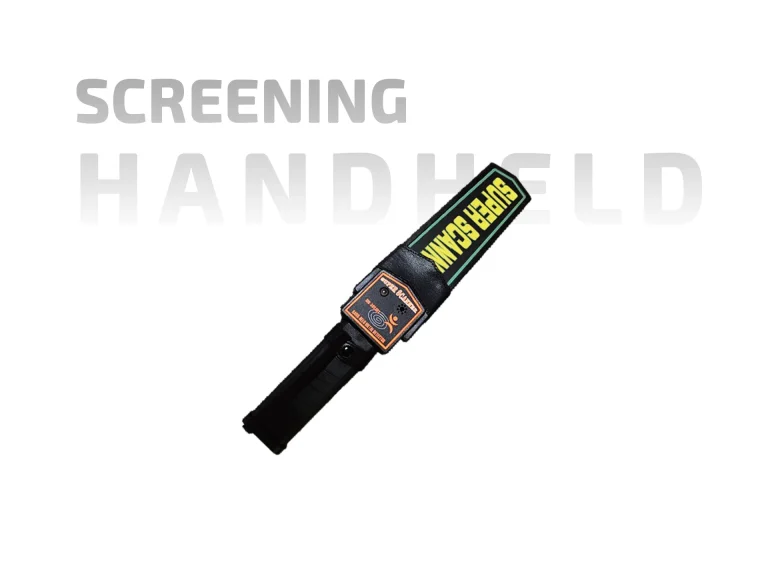
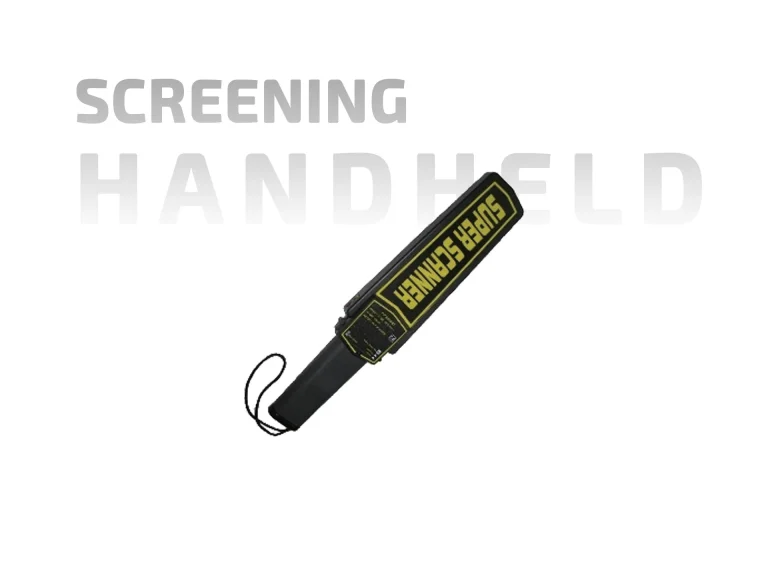
The ETLD-HMD3B1 handheld metal detector is a lightweight wand with high sensitivity and adjustable settings. It offers audio, vibration, and visual alerts, and uses a rechargeable battery designed for full-shift use. The unit is built for repeated scanning of passengers who trigger the gate alarm or require secondary screening.
Deployment and Real-World Results
The deployment followed passenger flow patterns. Busy stations received more smart gates at main entrances, while handheld detectors were distributed to secondary screening lanes and roving patrol teams.
Before installation, the project team measured baseline performance at three representative stations. After a two-week trial, they compared results.
At the busiest station, the ETLD-SG01 gates processed an average of 32 to 38 passengers per minute per lane during peak hours, up from roughly 22 to 26 with the old equipment. False alarm rates dropped noticeably because staff could adjust sensitivity by zone and reduce interference from common personal items. The passenger counting function helped supervisors match lane openings to real-time flow.
The ETLD-HMD3B1 handheld detectors were used for secondary checks. In the trial, a full-body scan took about 8 to 12 seconds per passenger, depending on clothing and item density. Staff reported that the vibration alert mode was useful in noisy station halls, and the adjustable sensitivity reduced repeat scans. Battery life covered a full 8-hour shift with normal use, and no unit failed during the trial.
Across the three trial stations, secondary screening time dropped by an estimated 15 to 20 percent compared with the previous mixed-equipment setup. Staff also noted fewer disputes with passengers because alarms were more consistent between lanes.
Project Value
The project delivered a more uniform screening standard across stations. Using one smart gate model and one handheld detector model simplified training, spare parts, and maintenance. The gate’s counting and logging functions gave supervisors basic data for staffing decisions without requiring a complex integration project.
The equipment mix also improved the passenger experience. Faster gate recovery and fewer false alarms reduced unnecessary queues, while handheld secondary checks became quicker and more predictable. For future expansion, the city can add more ETLD-SG01 units at new stations or connect gate data to a station-level dashboard for centralized monitoring.
Conclusion
The Jiangsu metro security procurement project shows how standardizing on the ETLD-SG01 smart security gate and ETLD-HMD3B1 handheld metal detector can address real screening bottlenecks. The combination improved throughput, reduced false alarms, and gave station teams more reliable tools for daily operations. It is a practical reference for other metro operators planning similar upgrades.