October 21, 2026
Professional Handheld Drone Detector: What Separates It from Consumer Gear
Choosing a professional handheld drone detector? Compare repeatability, training, data handling, support.

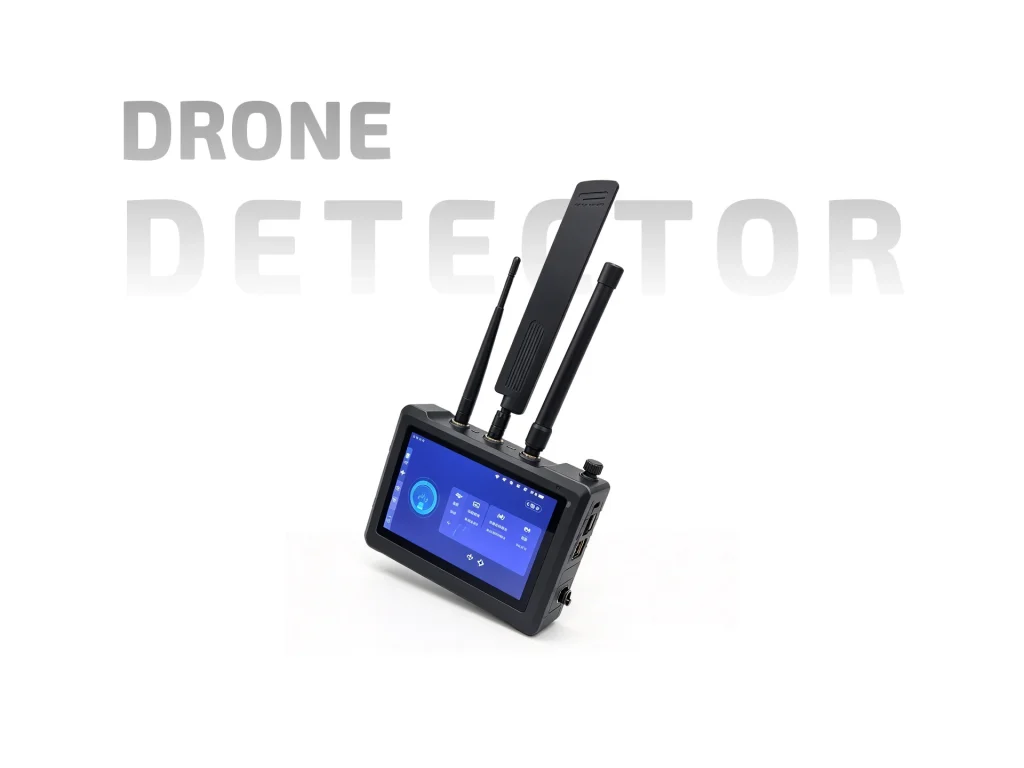
ETLD-HP40D handheld drone detector: 70–6200MHz, ≥1.5km detection, FPV video, drone track, 7-inch screen, 4–6h battery, sound/vibration/pattern alerts.
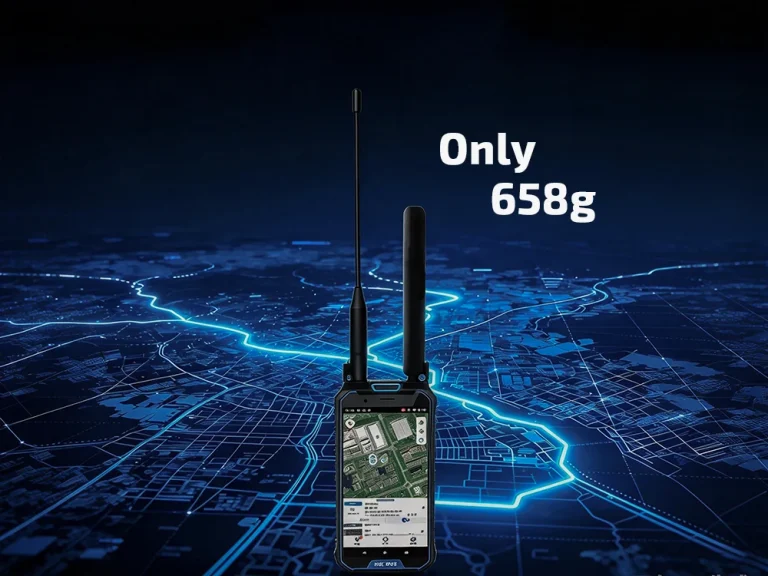
The ETLD-HP40D is a drone detector, not a jammer. It is held in the hand and pointed, and its job is to tell the operator that a drone is nearby, which link it is using, and roughly where it sits. That makes it a first-contact tool: something to carry on patrol, at a gate, or on a roof, before deciding whether a jammer is needed at all.

The receiver runs from 70MHz to 6200MHz. In plain terms, it covers the bands small drones commonly use for control, video and telemetry, plus a good deal of the surrounding spectrum. Detection range is quoted at 1.5km or more in open ground. That figure is not a promise for every site. Buildings, trees, hills and heavy rain will pull it in, and a low-flying drone may appear later than a high one.
A 7-inch display is the main interface. It is large enough to show a detection without the operator squinting, and it is where the pattern alert, video detection and track information appear. In bright sun the screen can still wash out, so shade it when needed. The size is the point: this is a unit meant to be read at a glance while standing.
Alerts come by sound, vibration and on-screen pattern. Sound suits a quiet post; vibration suits a noisy site or a pocket; the pattern alert gives a visual cue on the display. Operators can pick the mode that fits the moment rather than relying on one alarm for every situation.
The unit supports FPV video-link detection and video capture distance. That matters because many small drones are flown by video, and the video link is often the most revealing signal. The detector can flag that link and show the distance at which the video was captured, giving the operator a better idea of what is in the air and how close it is.
Drone positioning and track tracking are included. The unit does not just say “something is there”; it places the contact and follows its movement. For a patrol, that turns a warning into a direction of travel. The positioning range is listed at 1–1.5km in open conditions, so treat it as a working estimate, not a survey-grade fix.
Battery life is 4–6 hours, depending on how the unit is used and which functions are running. That is enough for a shift or a long patrol, but not for a full day without a charge. Carry a power bank or plan a midday charge. The handheld format keeps the operator mobile; it is not a fixed sensor and not a backpack.
Use it first, before jamming. Point it toward the approach path, watch the screen, and let the alerts tell you when something appears. If the contact is confirmed, the detector has already done its job: it has given a bearing, a track and a reason to act. It also gives a record of what was seen, which helps after the event.
Detection is not identification. The unit can show a link and a track, but it will not name the model. Range figures are open-ground figures. The screen is readable but not sun-proof. And the battery is finite. None of these are faults; they are the boundaries of a handheld detector, and knowing them makes it easier to use well.
The ETLD-HP40D handheld drone detector is for teams that want to see a drone before deciding what to do about it. It is light enough to carry, wide enough to catch common links, and clear enough to read in the hand.
| Parameter | Specification | Notes |
| Detection frequency | 70–6200MHz | Wideband receiver |
| Detection range | ≥1.5km | Open ground |
| Display | 7-inch screen | Pattern/video/track view |
| Battery life | 4–6 hours | Use dependent |
| Alert modes | Sound, vibration, on-screen pattern | Selectable |
| Positioning/track | Drone positioning + track tracking | 1–1.5km open ground |
| FPV/video | FPV video-link detection; video capture distance | Link and distance |
| Form factor | Handheld | Portable |
Choosing a professional handheld drone detector? Compare repeatability, training, data handling, support.
Choosing a lightweight handheld drone detector? Compare weight trade-offs, battery life, ergonomics, and field tests before you buy.
Buying handheld drone detection equipment? Compare RF sensitivity, ergonomics, battery life, false alerts, and field validation before you choose.