October 21, 2026
Professional Handheld Drone Detector: What Separates It from Consumer Gear
Choosing a professional handheld drone detector? Compare repeatability, training, data handling, support.
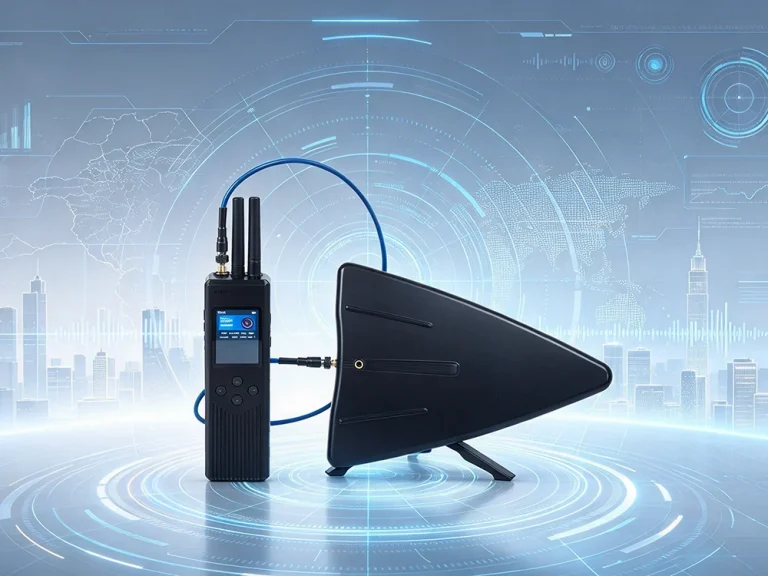

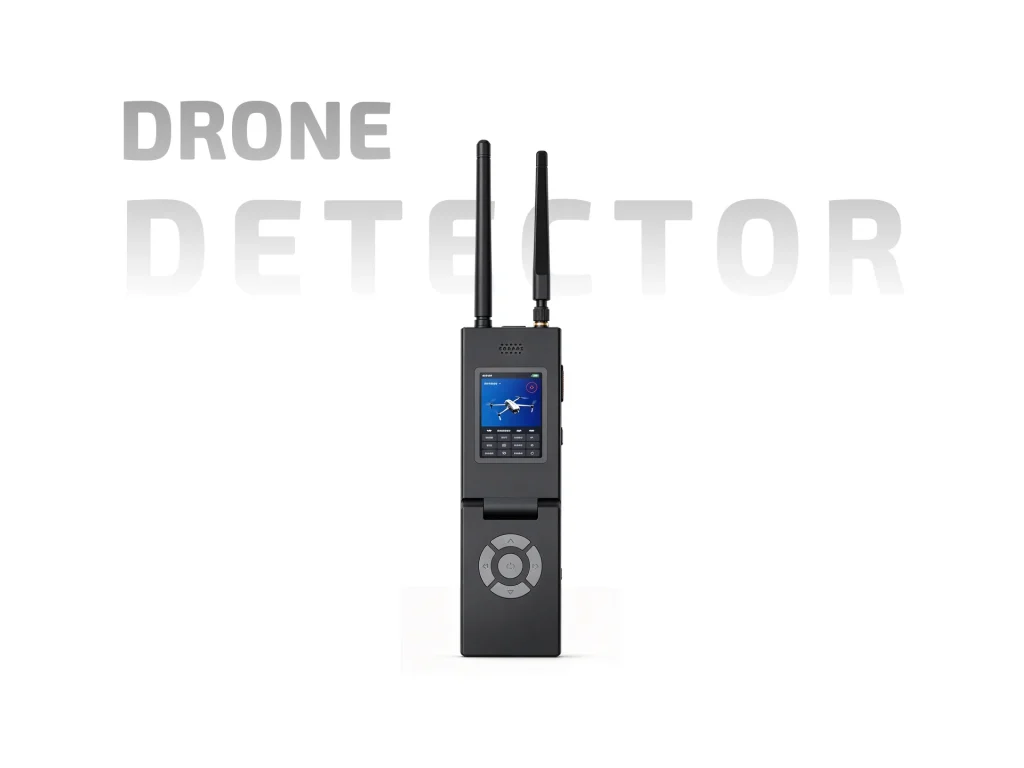
ETLD-HP13 handheld drone detector: 600–6000MHz, 1–2km, DF <10°, 4h battery, flip waterproof screen, sound/vibration/pattern alerts.
The ETLD-HP13 is a handheld receive-only detector for finding drone links and working out which way the signal comes from. It does not jam. Its value is in the bearing: instead of only warning that something is up, it gives the operator a direction to watch. That suits a patrol, a gate post or a roof where one person needs a quick answer.

The receiver tunes from 600MHz to 6000MHz. The listed bands are 600M–1.5G, 2.4G, 5.2G and 5.8GHz, which takes in common control and video links. A wide tuning range helps, but it is not a guarantee: a drone using a narrow or unusual link can still be missed. Treat the band list as the working set, not a complete list of every drone in the air.
Detection distance is quoted at 1–2km, and the direction-finding range is also given as 1–2km in open ground. The lower end is the safer planning figure. Buildings, trees, ridges and rain shorten it, and a low-flying drone may appear later than a high one. Range is a guide for positioning the operator, not a fixed promise.
The direction-finding accuracy is stated as less than 10 degrees. In practice, that is a narrow enough cone to point a response team or a camera in the right area, but it is not a precise coordinate. Use the bearing to narrow the search, then confirm with the screen and the track. Wind, reflections and nearby metal can affect the reading.
Sound, vibration and on-screen pattern alerts are supported. The flip screen is useful in the field: it can be angled for reading and folded away when the unit is carried. The screen shows the alert and bearing without the operator holding a laptop. In bright sun, shade it; in rain, the waterproof structure is there to protect the unit, but keep the ports covered.
Battery life is listed at four hours. That is enough for a short patrol or a checkpoint shift, not a full day. Carry a power bank or plan a swap if the unit is needed longer. The handheld format keeps one hand free for a radio, which matters when the detector is used alongside other kit.
Before leaving the vehicle, check the battery, unfold the screen and test the alerts. Clear the antenna from metal and keep the unit away from your body. A short check takes a minute and avoids carrying a dead detector to a post.
The HP13 is best used before any jamming. Point it toward the approach path, read the bearing, and let the alerts tell you when a link appears. If the contact is confirmed, the detector has already given a direction and a reason to act. It also gives a record of what was heard, which helps after the event.
A simple log helps. Note the time, the band, the bearing and the range at which the contact appeared. Over several shifts, that record shows where contacts usually come from and which bands are busy. It also gives a fair basis for comparing one position with another.
Detection is not identification. The unit will not name the drone model, and it will not stop it. Walls and terrain block RF. The battery is finite. The bearing is an estimate. These are normal limits for a handheld detector, and knowing them keeps expectations honest.
The ETLD-HP13 handheld drone detector is for teams that want a bearing, not just an alarm, in a handheld package that can handle a bit of weather. Point it, read it, and decide.
| Parameter | Specification | Notes |
| Detection frequency | 600–6000MHz | Listed bands 600M–1.5G/2.4G/5.2G/5.8GHz |
| Detection range | 1–2km | Open ground |
| Direction finding accuracy | <10 degrees | Bearing estimate, not coordinate |
| Battery life | 4 hours | Use dependent |
| Alerts | Sound/vibration/pattern | Selectable |
| Structure | Flip screen; waterproof | Protect ports in rain |
| Direction finding | Supported | Detection direction 1–2km |
| Form factor | Handheld | Receive-only |
Choosing a professional handheld drone detector? Compare repeatability, training, data handling, support.
Choosing a lightweight handheld drone detector? Compare weight trade-offs, battery life, ergonomics, and field tests before you buy.
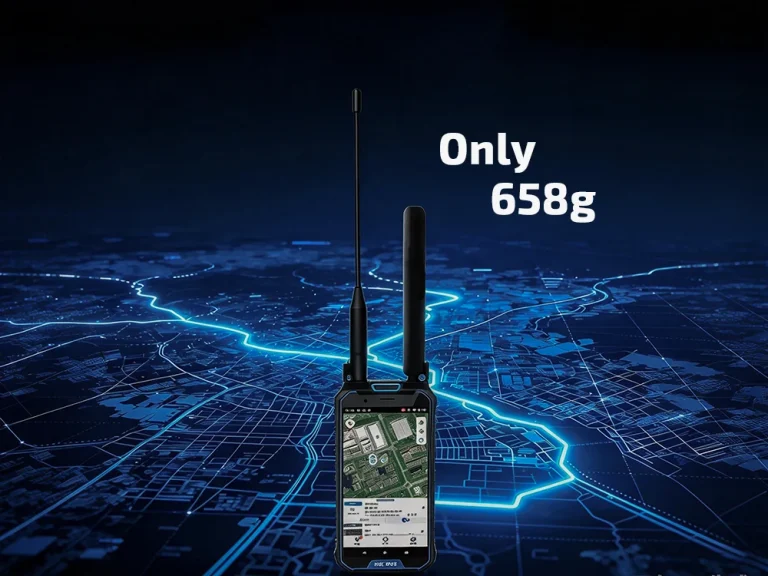
Buying handheld drone detection equipment? Compare RF sensitivity, ergonomics, battery life, false alerts, and field validation before you choose.