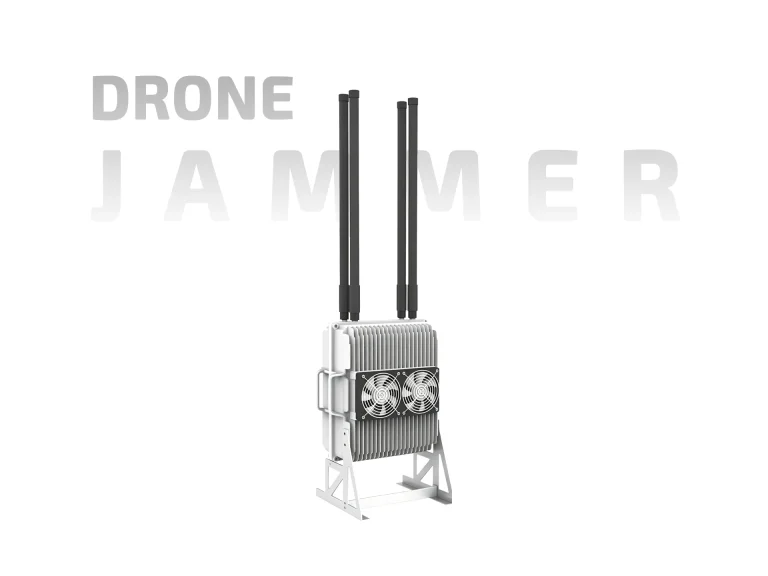
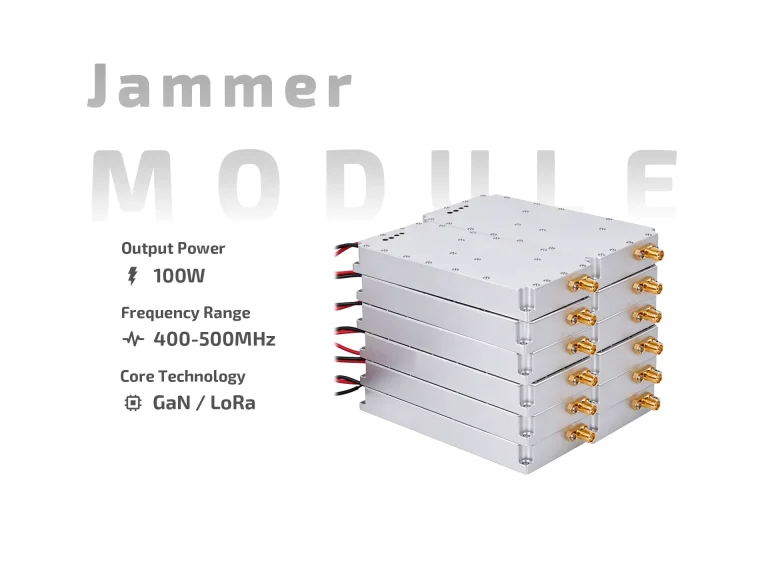
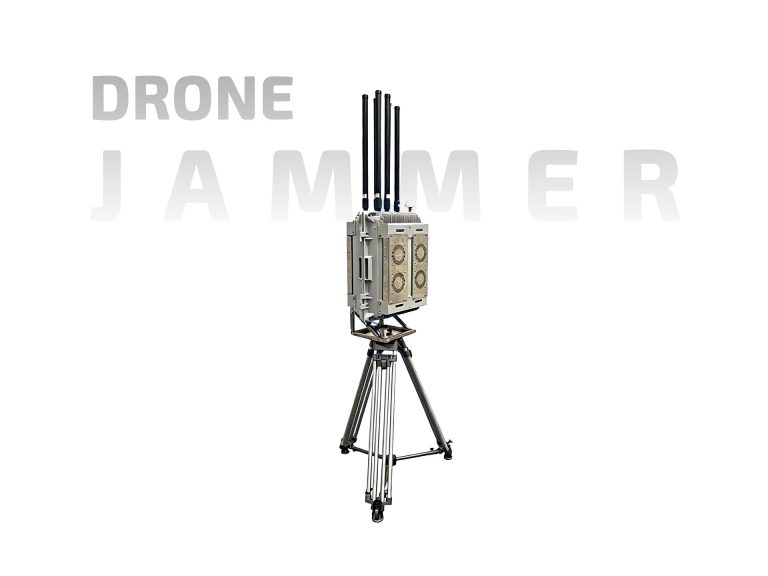
The counter-drone industry has grown from a niche defense curiosity into a crowded global market. Dozens of companies now claim to offer anti-drone systems, but they are not all equal. Some are defense giants with decades of radar experience. Others are agile startups with clever software. A few are rebranded consumer electronics with a military paint job.
Understanding the manufacturer landscape is the first step toward a successful procurement. This overview maps the major players, their strengths, and the questions that separate a serious vendor from a marketing brochure.

The Three Tiers of Anti-Drone Manufacturers
The market breaks into three broad tiers. Each tier has different strengths, weaknesses, and pricing models.
| Tier | Typical profile | Strengths | Weaknesses |
|---|---|---|---|
| Defense primes | Large aerospace and defense contractors | Deep R&D, ruggedized hardware, global support | High cost, slow procurement, less agile |
| Specialized C-UAS firms | Mid-size companies focused on counter-drone | Deep domain expertise, flexible integration | Limited scale, may lack global service network |
| Startups and tech vendors | Software-first or sensor-first newcomers | Rapid innovation, lower cost, AI-driven | Unproven at scale, short track record |
Most successful projects mix tiers. A defense prime may provide the radar, while a specialized firm supplies fusion software, and a startup adds an AI classification layer.
What Separates a Good Manufacturer from a Great One
A great manufacturer does more than ship hardware. It understands your threat, supports integration, and stays current as drone technology evolves.
| Criterion | What to look for | Why it matters |
|---|---|---|
| Threat expertise | References in your environment | A radar that works in a desert may fail in a city |
| Open architecture | APIs, documented interfaces | Prevents vendor lock-in and enables fusion |
| Update cadence | Regular software and protocol updates | Drone protocols and autonomy change quickly |
| Support footprint | Local or regional service teams | Downtime is a security gap |
| Legal awareness | Clear guidance on allowed features | Protects you from regulatory violations |
| Financial stability | Revenue, contracts, longevity | You need support for five to ten years |
A manufacturer that cannot answer questions about your specific threat is selling a product, not a solution.
Red Flags When Vetting Manufacturers
Watch for these warning signs during the selection process:
-
Claims of 100% detection with no false-alarm data.
-
No references in your region or industry.
-
Proprietary protocols that block integration.
-
Reluctance to allow a pilot test.
-
Vague answers about software update frequency.
-
Pressure to buy before a site survey.
-
A website that lists every possible use case but no case studies.
The best manufacturers welcome scrutiny. They know their systems are not perfect, and they will tell you where they fit and where they do not.
The Consolidation Trend
The anti-drone market is consolidating. Defense primes are acquiring specialized firms to fill capability gaps. Startups are merging to achieve scale. This trend has implications for buyers.
| Trend | Impact on buyers |
|---|---|
| Acquisitions by primes | More integrated solutions, but less choice and higher prices |
| Mergers among startups | Stronger products, but possible disruption during integration |
| Partnerships and alliances | Best-of-breed systems, but more complex procurement |
| Open standards initiatives | Easier integration, but slower adoption than proprietary solutions |
For buyers, the key is to avoid single-vendor dependency. Choose manufacturers that support open interfaces and document their roadmaps.
How to Shortlist Manufacturers
A practical shortlisting process looks like this:
-
Define your threat and required capability level.
-
Identify manufacturers with references in your environment.
-
Request a site survey from at least three vendors.
-
Ask for a five-year total cost of ownership.
-
Require a pilot or trial period in the contract.
-
Check legal compliance for every feature offered.
-
Verify financial stability and support commitments.
Do not shortlist on price alone. The cheapest manufacturer may cost the most over five years.
Final Thoughts
The anti-drone system manufacturers market is diverse, competitive, and evolving fast. Defense primes offer depth and reliability. Specialized firms offer focus and flexibility. Startups offer innovation and cost advantages. The right choice depends on your threat, your environment, and your legal authority.
Take the time to vet manufacturers properly. Ask hard questions, demand references, and insist on a pilot. The manufacturer you choose will be your partner for years, not just a one-time vendor.