Complete solutions, tailored to your needs Customize →
Home » Anti-Drone Systems » Drone Spoofers » ETLDD1000 Navigation Spoofing: The Ultimate Fixed Defense Solution

ETLDD1000 Navigation Spoofing: The Ultimate Fixed Defense Solution

iscover the ETLDD1000 Navigation Spoofing device. Features BDS/GPS/Galileo, 0.5-1Km range, 15kg weight. 8 FAQs inside!

Application Scenarios: Correctional Facilities, Critical Infrastructure Protection, Event Security, Law Enforcement, Military Defense, VIP Protection
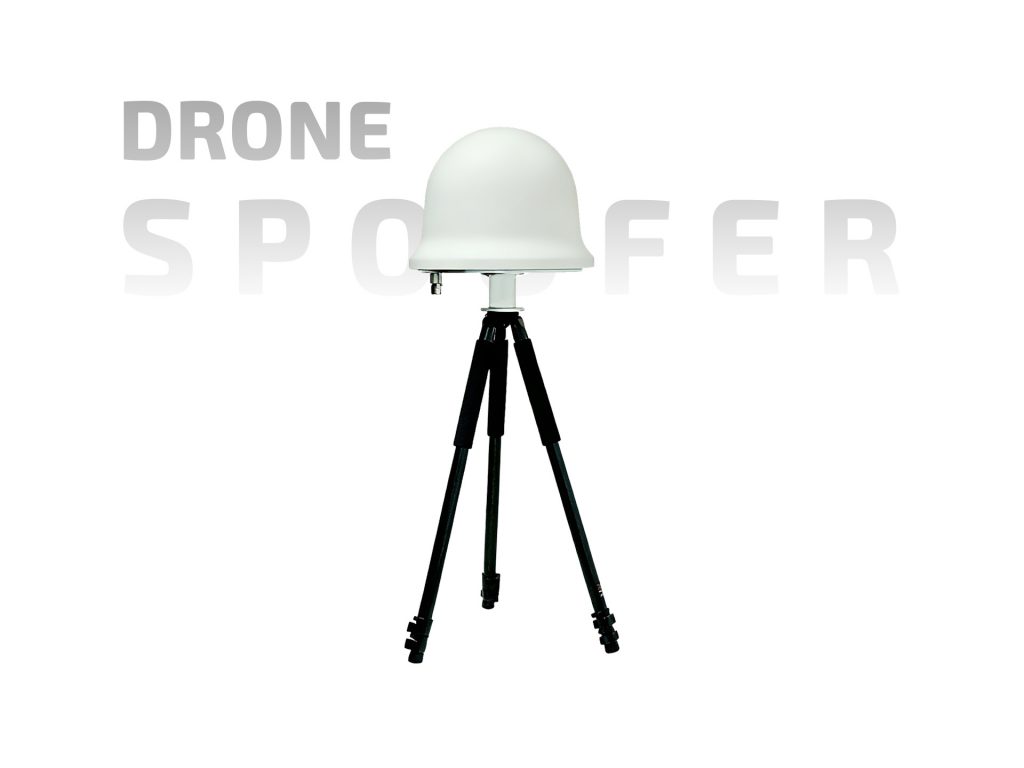
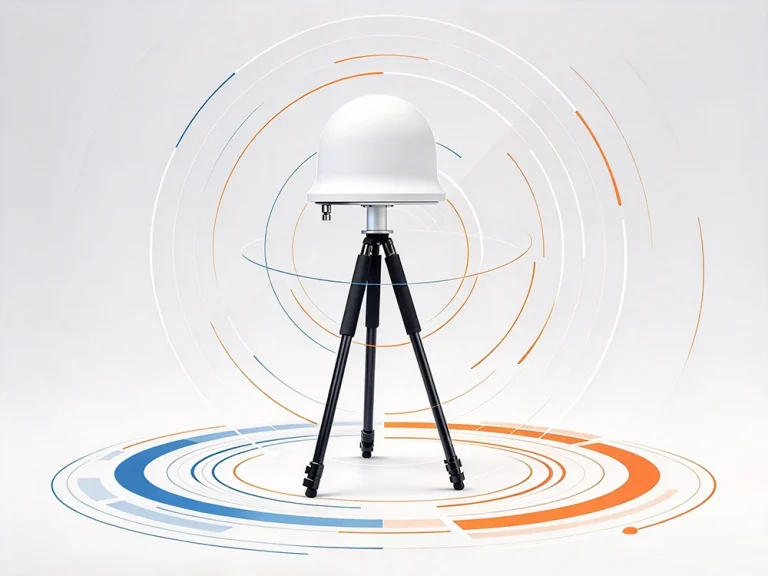
Device Type Fixed Omnidirectional Navigation Spoofing Equipment
Standard Frequencies BDS-B1I, GPS-L1 C/A, GLONASS-L1, Galileo-E1
Optional Frequencies BDS-B1C/B2a/B2b/B2I/B3I, GPS-L1C/L2/L5, GLONASS-L2, Galileo-E5a/E5b/E6, QZSS-L1 C/A, L1C/L2C/L5, Navic-L5
Spoofing Range 0.5-1Km
Dimensions 411mm×411mm×370mm
Weight 15kg

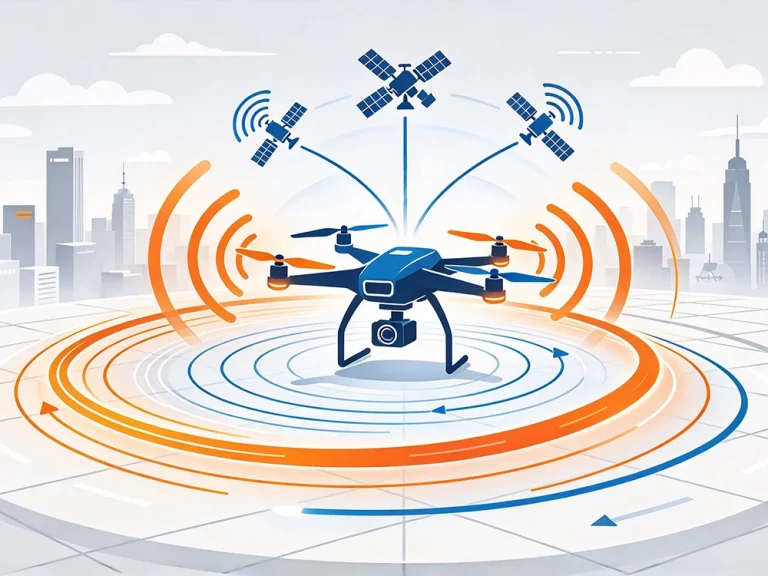
When it comes to protecting critical infrastructure, the ETLDD1000 Navigation Spoofing device offers a robust, reliable solution. This fixed omnidirectional system generates fake navigation signals perfectly mimicking real satellite transmissions. By manipulating drone positions, speeds, and timing, it effectively neutralizes aerial threats. Unlike simple jammers, this equipment actively takes control, guiding drones to safe landing zones or driving them away.

ETLDD1000 Navigation Spoofing: The Ultimate Fixed Defense Solution

Understanding the ETLDD1000 Navigation Spoofing Device

The ETLDD1000 Navigation Spoofing equipment is specifically engineered for precision. It creates signals identical to those transmitted by orbiting navigation satellites. This high-fidelity simulation allows security teams to execute complex countermeasures. The primary goals are forcing unauthorized drones to land, driving them away from restricted zones, or executing precise point landings. It is an essential tool for modern airspace security, providing a seamless layer of defense. You can learn more about navigation systems from GPS.gov.

Key Features

Full-Band Spoofing

The system supports comprehensive signal coverage. Standard frequencies include BDS-B1I, GPS-L1 C/A, GLONASS-L1, and Galileo-E1. For advanced operational needs, optional frequencies cover BDS-B1C/B2a/B2b/B2I/B3I, GPS-L1C/L2/L5, GLONASS-L2, and many others. This ensures no matter what navigation system a drone uses, the ETLDD1000 Navigation Spoofing can intercept and control it.

Multi-Mode Spoofing Capabilities

This device is highly adaptable. It can emit spoofing signals that force drones to follow specific trajectories. Whether you need a drone to execute a circular motion, a straight line, or a complex curve, this system delivers. It can also simulate uniform or variable speed movements. This flexibility is critical in dynamic threat environments, allowing operators to dictate the exact flight path of intruding drones.

Device Linkage Integration

Defense systems work best when they work together. The ETLDD1000 Navigation Spoofing seamlessly integrates with spectrum detection, jamming, and radar systems. This synergy enables precise forced landing functionalities, closing the loop on airspace security. By combining detection and deception, operators gain a decisive advantage.

Defense Swarm and Real-World Applications

For large-scale security operations, multiple units can be networked. This creates a defensive swarm, allowing for zonal defense. Each unit covers a specific area, working together to establish an impenetrable barrier against drone swarms. This makes the ETLDD1000 Navigation Spoofing highly effective for critical infrastructure. Key industries relying on this technology include petrochemical facilities, power generation plants, and other vital national assets. The ability to create localized no-fly zones without collateral damage is invaluable.

Conclusion

The ETLDD1000 Navigation Spoofing system sets a new standard for counter-drone operations. Its ability to manipulate flight paths precisely, rather than simply dropping drones, offers unmatched tactical advantages. As drone threats evolve, having a reliable, multi-frequency spoofing solution is essential. For more insights, check out our internal article on advanced counter-drone techniques and external resources on FAA drone safety.

ParameterSpecificationNotes
Product NameETLDD1000 Fixed Omnidirectional Navigation Spoofing EquipmentModel D1000 specified in the product center.
Device TypeFixed Omnidirectional Navigation Spoofing EquipmentGenerates spoofing signals identical to in-orbit navigation satellite signals.
Spoofing FunctionPosition spoofing, speed spoofing, time spoofingAims to achieve forced landing, driving away, and precise landing of drones.
Standard FrequenciesBDS-B1I, GPS-L1 C/A, GLONASS-L1, Galileo-E1Essential navigation bands.
Optional FrequenciesBDS-B1C/B2a/B2b/B2I/B3I, GPS-L1C/L2/L5, GLONASS-L2, Galileo-E5a/E5b/E6, QZSS-L1 C/A, L1C/L2C/L5, Navic-L5Wide-spectrum coverage.
Spoofing Range0.5-1KmEffective operational distance.
Dimensions411mm×411mm×370mmCompact fixed design.
Weight15kgLightweight for easy installation.
Full-Band SpoofingSupports receiving and simulating transmission of navigation satellite signalsCovers all navigation frequency points.
Multi-Mode SpoofingCircular motion, linear motion, uniform motion, variable speed motion, curved motionCan emit spoofing signals for various trajectories.
Device LinkageSupports linkage with spectrum detection, suppression jamming, and radarAchieves precise forced landing functions.
Defense SwarmSupports networking of multiple units, capable of zonal countermeasuresAchieves defense swarm effects.
ApplicationsPetrochemical, power industry, critical facilities, etc.Suitable for protecting key infrastructure.

What is the primary function of the ETLDD1000 GNSS Spoofing Device?

It generates counterfeit satellite signals that are completely identical to genuine navigation signals. This allows it to manipulate the positioning, speed, and timing of unauthorized drones, forcing them to land, divert, or track specific paths.

What is the effective spoofing distance of this device?

The operational spoofing range is between 0.5 kilometers and 1 kilometer, making it ideal for localized protection of specific facilities or zones.

How much does the ETLDD1000 unit weigh?

The device has a net weight of 15 kilograms. Its dimensions are 411mm x 411mm x 370mm, making it suitable for fixed installation on tripods or permanent mounts.

Can it handle multiple drones simultaneously?

Yes. The device supports multi-mode spoofing and can project decoy signals that force multiple drones to execute various flight paths, effectively neutralizing swarm threats.

What are the standard GNSS frequency bands supported?

The standard configuration covers BDS-B1I, GPS-L1 C/A, GLONASS-L1, and Galileo-E1.

Does it offer optional frequency bands for specialized needs?

Absolutely. Users can opt for additional bands including BDS (B1C, B2a, B2b, B2I, B3I), GPS (L1C, L2, L5), GLONASS-L2, Galileo (E5a, E5b, E6), QZSS (L1 C/A, L1C, L2C, L5), and NavIC-L5.

Can I link multiple ETLDD1000 units together?

Yes, the system supports defense cluster networking. By linking multiple devices, you can divide a large area into different zones to achieve a comprehensive defensive shield.

What industries typically use this technology?

It is primarily used in the petrochemical sector, the power industry, and for the protection of critical national infrastructure and important facilities.