Project Background
Critical energy facilities require layered security. The Kunming Qujing power station project was initiated to address growing concerns about unauthorized drone activity near critical infrastructure. The site needed a counter-UAS capability that could detect unauthorized drones early and respond without disrupting normal power operations. The selected defense strategy combined a drone deception system with radio detection equipment. The goal was clear: monitor the airspace in real time, identify potential drone intrusions, and apply efficient interference and deception measures when necessary to keep the station protected.

Operational Challenge
Power stations present a complex security environment. Open areas, tall structures, and continuous operations can make manual observation unreliable. A small UAV can approach quickly and may be difficult to distinguish from legitimate airborne activity. For the Kunming Qujing site, security teams required continuous awareness of radio-frequency activity and a non-kinetic mitigation option that could be used selectively. The system also needed to support operator decision-making rather than create additional alarm fatigue. This meant the detection layer had to provide actionable alerts, while the mitigation layer had to be integrated into a controlled response workflow.
Solution Overview
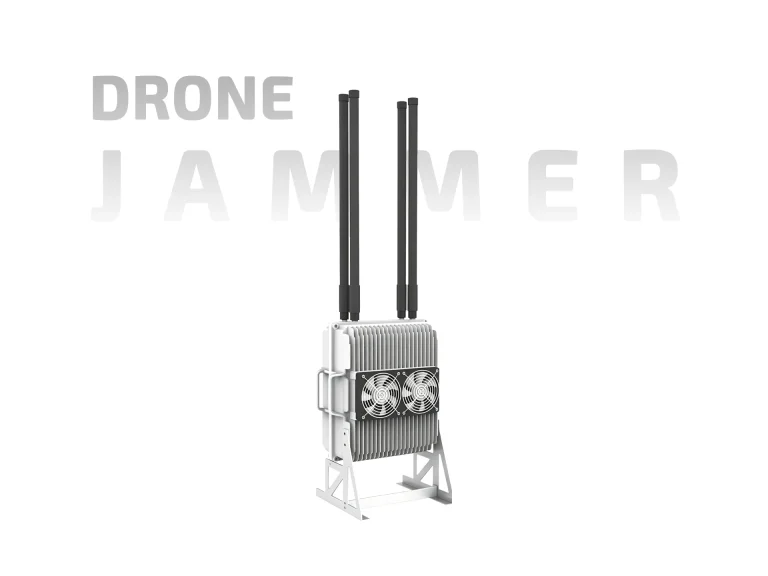
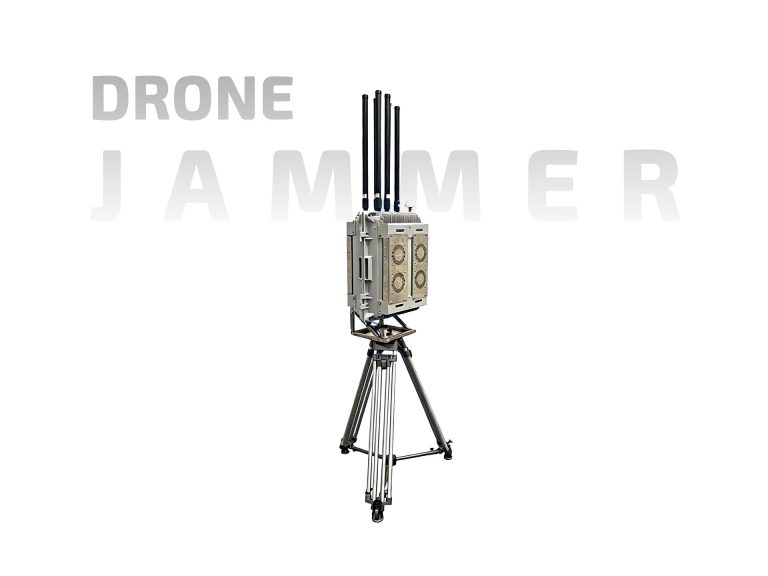
The project deployed two complementary products. The Fixed Drone Detector ETLD03FA provides persistent radio monitoring around the station. It is designed to detect drone-related signals and help operators identify potential intrusions in real time. The Navigation Spoofing Equipment ETLDD1100 adds a deception-based mitigation layer. Instead of relying only on alerting, the system can help redirect a UAV’s navigation behavior and encourage it to avoid the protected airspace.
Together, these devices create a detect-and-deceive defense posture. Radio detection supplies early warning and situational awareness; navigation spoofing provides a measured response option. This layered approach is particularly suitable for a power station because it supports escalation based on the confirmed threat level. Routine RF activity can be monitored without immediate action, while a verified drone threat can trigger a more active response.
Deployed Products:
Deployment and Integration
The deployment was organized around the station’s security perimeter and operational priorities. The fixed drone detector was positioned to provide continuous coverage of approach paths and sensitive areas. The navigation spoofing equipment was integrated as part of the response layer, allowing security personnel to activate deception measures when a threat was confirmed. The project followed a practical integration process: site survey, equipment positioning, system configuration, operational testing, and operator familiarization.
Because the system combines detection and mitigation, the response workflow is straightforward. The detector monitors the RF environment and alerts operators to suspicious drone activity. Operators review the alert, confirm the threat through available information, and decide whether mitigation is required. If needed, the navigation spoofing equipment is activated to disrupt the UAV’s navigation confidence and guide it away from the protected zone. This human-in-the-loop approach helps balance security with operational control.
Project Results
The Kunming Qujing power station project achieved its core objective: a real-time drone monitoring and defense capability tailored to a critical energy site. Security teams gained earlier awareness of potential UAV activity and a coordinated means of response. The combination of ETLD03FA detection and ETLDD1100 spoofing supports a layered defense model that can be adjusted to different threat levels. The system also helps reduce dependence on visual observation alone and supports more consistent incident handling.
From an operational perspective, the project demonstrates how radio detection and drone deception can work together in a power station environment. The solution is non-kinetic, scalable, and designed to integrate with existing security procedures. It provides a practical reference for other critical infrastructure sites considering counter-UAS protection.
Conclusion
Unmanned aircraft continue to present an evolving challenge for energy infrastructure. The Kunming Qujing power station case shows that a combined approach—fixed radio detection plus navigation spoofing—can deliver real-time monitoring, efficient mitigation, and improved operational confidence. With ETLD03FA and ETLDD1100 deployed as part of a layered defense strategy, the station is better positioned to detect, assess, and respond to potential drone intrusions while maintaining normal power operations.