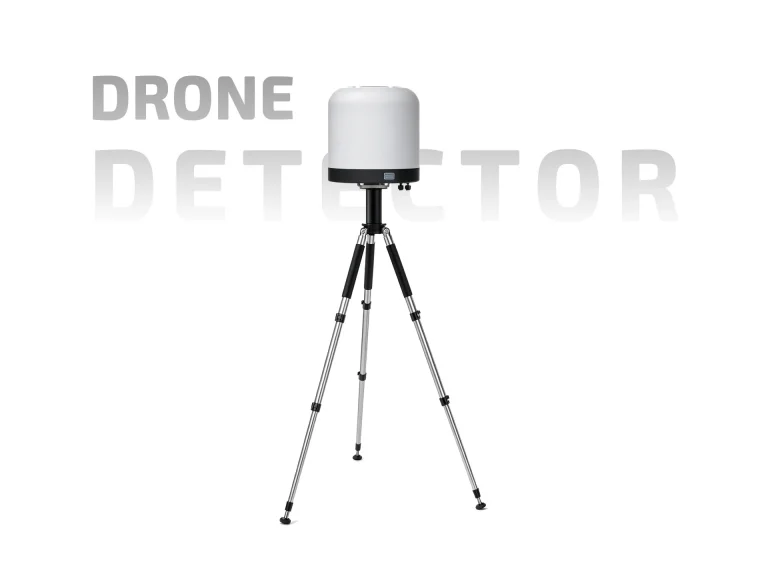
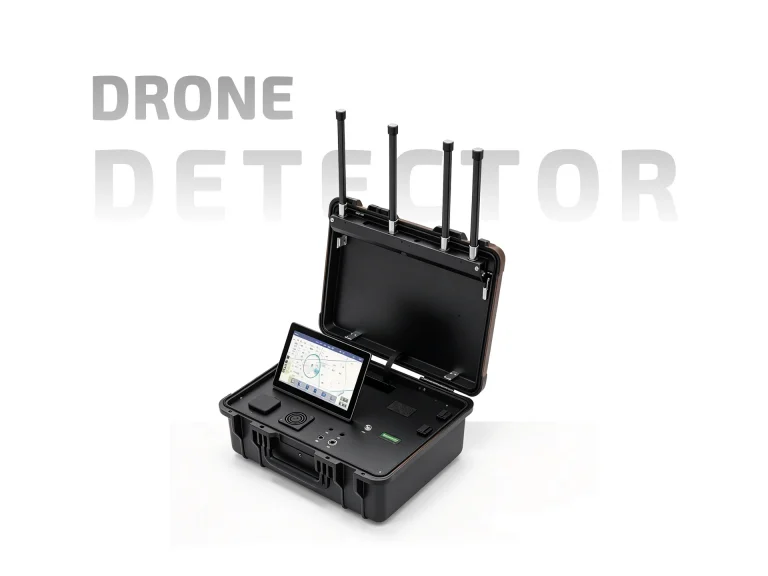
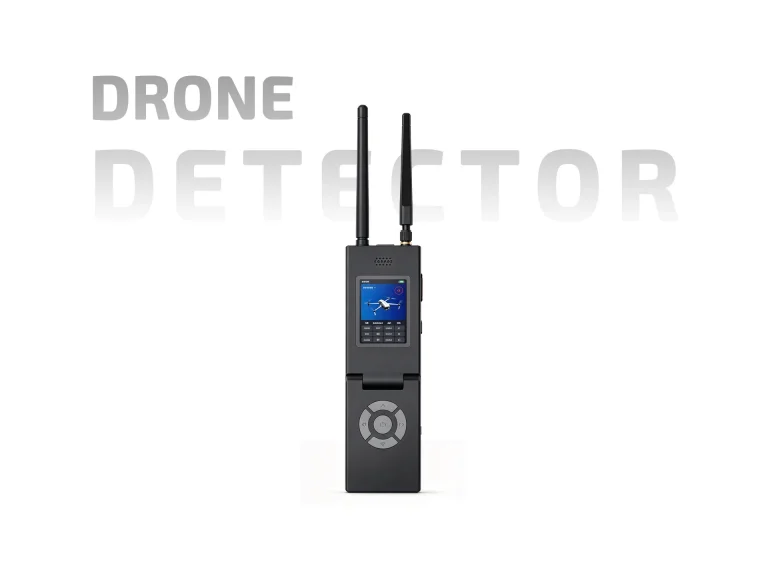
If you have started requesting quotes for drone detection, you already know the numbers are all over the map. One vendor offers a basic RF unit for a few thousand dollars. Another proposes a integrated multi-sensor platform that costs more than a house. Both are called “drone detectors,” but they are not the same product.
This guide breaks down what actually drives the price of a drone detection system, what you get at each tier, and where the hidden costs tend to appear. The goal is not to give you a single number—there isn’t one—but to help you build a realistic budget.

Why Drone Detector Prices Vary So Much
A drone detector is not a single device. It is a system. The price depends on what you want it to do. A system that simply alerts you to a nearby drone is very different from one that identifies the model, tracks its path, locates the operator, and integrates with your existing security platform.
The biggest cost drivers are:
-
Sensor type: RF, radar, cameras, acoustic, or a combination.
-
Coverage area: A single building versus a 5-kilometer perimeter.
-
Detection range: Short-range consumer units versus long-range professional systems.
-
Accuracy and false alarm rate: Better processing costs more.
-
Integration: Standalone versus integrated with command-and-control software.
-
Deployment environment: Urban, rural, mobile, or fixed.
-
Support and updates: One-time purchase versus subscription.
The Building Blocks of Cost
Most drone detection systems are made from a few core components. Understanding these helps you see where the money goes.
| Component | What It Does | Typical Cost Impact |
|---|---|---|
| RF sensor | Detects control, video, and telemetry signals | Low to medium |
| Radar | Tracks movement and position | Medium to high |
| EO/IR camera | Visually confirms and tracks drone | Medium |
| Acoustic sensor | Picks up propeller noise | Low |
| Processing unit | Runs detection algorithms | Medium |
| Software platform | Displays alerts, tracks, and logs | Medium to high |
| Integration services | Connects to existing security systems | Variable |
| Installation and training | Site setup and operator training | Variable |
A basic system might include only an RF sensor and a simple software interface. A high-end system might combine radar, RF, EO/IR, and acoustic sensors with advanced data fusion and a full command-and-control dashboard.
Price Tiers at a Glance
The table below gives a general range for different classes of drone detection systems. These are ballpark figures for planning purposes. Actual quotes will depend on your specific site and requirements.
| Tier | Typical Capabilities | Estimated Price Range (USD) | Best For |
|---|---|---|---|
| Entry-level | Single RF sensor, basic alerts, short range | $3,000 – $15,000 | Small sites, hobbyist awareness |
| Mid-range | RF + camera, better range, basic tracking | $15,000 – $60,000 | Corporate campuses, prisons, events |
| Professional | Multi-sensor fusion, radar, EO/IR, software | $60,000 – $250,000 | Airports, critical infrastructure, military |
| Enterprise | Wide-area coverage, deep integration, 24/7 ops | $250,000 – $1,000,000+ | Large perimeters, national security |
These ranges are not fixed. A mid-range system in a rural area may cost less than an entry-level system in a dense urban environment because of interference and installation challenges.
What Pushes You Up a Tier
Moving from one tier to the next is rarely about one feature. It is usually a combination of factors.
| Factor | Why It Increases Cost |
|---|---|
| Wider coverage area | More sensors, more infrastructure |
| Higher accuracy | Better algorithms, more processing power |
| Lower false alarm rate | Advanced filtering and sensor fusion |
| Operator location capability | Direction-finding or triangulation |
| Integration with existing systems | Custom software and hardware interfaces |
| Harsh environment | Ruggedized enclosures, cooling, heating |
| 24/7 operation | Redundant power, remote monitoring |
| Regulatory compliance | Documentation, testing, certification |
If your site has a lot of RF noise, you may need better filtering. If you need to detect drones beyond visual line of sight, you may need radar. If you need to find the operator, you may need direction-finding antennas. Each requirement adds cost.
Hidden Costs to Budget For
The purchase price is only part of the total cost of ownership. Many buyers are surprised by the ongoing expenses.
| Cost Category | What to Expect | Typical Range |
|---|---|---|
| Installation | Mounting, cabling, power, network | 10–30% of hardware cost |
| Training | Operator and administrator training | $2,000 – $10,000 |
| Maintenance | Annual service, repairs, calibration | 10–20% of hardware cost per year |
| Software updates | Firmware, threat libraries, features | Subscription or annual fee |
| Licensing | Frequency licenses, site permits | Varies by country |
| Integration | Connecting to existing security systems | $5,000 – $50,000+ |
| Power and connectivity | Generators, solar, backhaul | Site-dependent |
A system that costs $50,000 upfront may cost another $15,000 to install and $10,000 per year to maintain and update. Always ask for a total cost of ownership breakdown.
Buying vs Leasing vs Subscription
Some vendors now offer detection-as-a-service. Instead of buying hardware, you pay a monthly or annual fee. This can lower upfront costs but may cost more over time.
| Model | Upfront Cost | Long-Term Cost | Best For |
|---|---|---|---|
| Purchase | High | Lower after payback | Long-term fixed sites |
| Lease | Medium | Predictable monthly | Temporary or budget-constrained |
| Subscription | Low | Ongoing | Short-term events, pilot projects |
| Hybrid | Medium | Mixed | Sites with changing needs |
Leasing and subscription models often include maintenance and updates, which simplifies budgeting. However, you may not own the hardware or have full control over the data.
How to Get an Accurate Quote
To get a realistic price, you need to give vendors specific information. Vague requests lead to vague quotes.
Prepare the following:
-
Site map: Boundaries, buildings, terrain, and approach paths.
-
Coverage requirements: Where do you need detection?
-
Threat profile: What drone types and sizes are you concerned about?
-
Integration needs: What existing systems must connect?
-
Operator model: Who will monitor the system and respond?
-
Legal constraints: What are you allowed to do in your jurisdiction?
-
Budget range: Be honest about what you can spend.
Vendors who ask detailed questions are usually more serious. Vendors who quote a price without a site survey are guessing.
Final Thoughts
There is no single answer to “how much does a drone detection system cost?” A basic RF detector can cost less than a used car. A professional multi-sensor system can cost more than a luxury home. The right budget depends on what you need to protect, what you need to detect, and what you plan to do with the information.
Start with your requirements, not with a price target. Then get quotes from multiple vendors, ask for total cost of ownership, and check references. A system that is cheap upfront but unreliable or unsupported will cost you more in the long run.