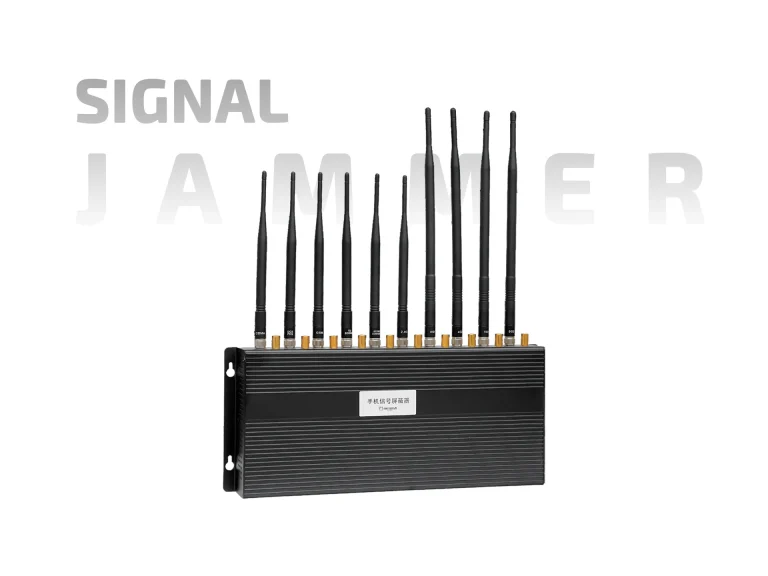
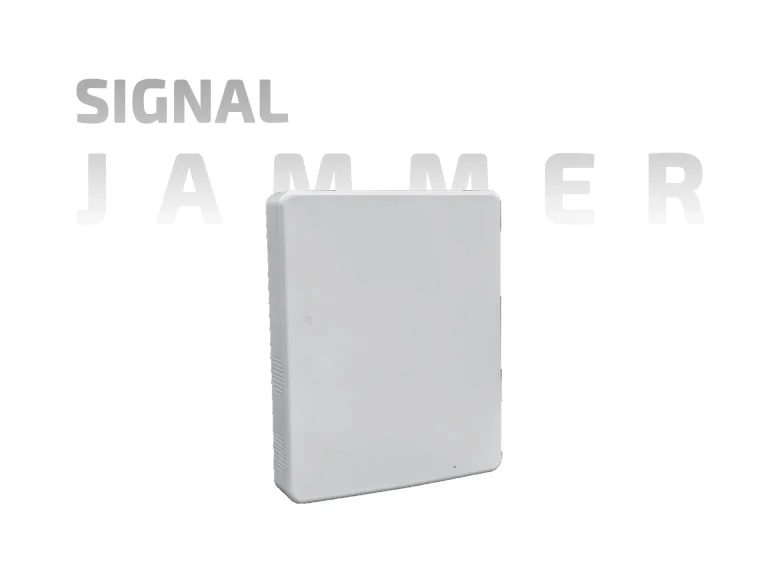
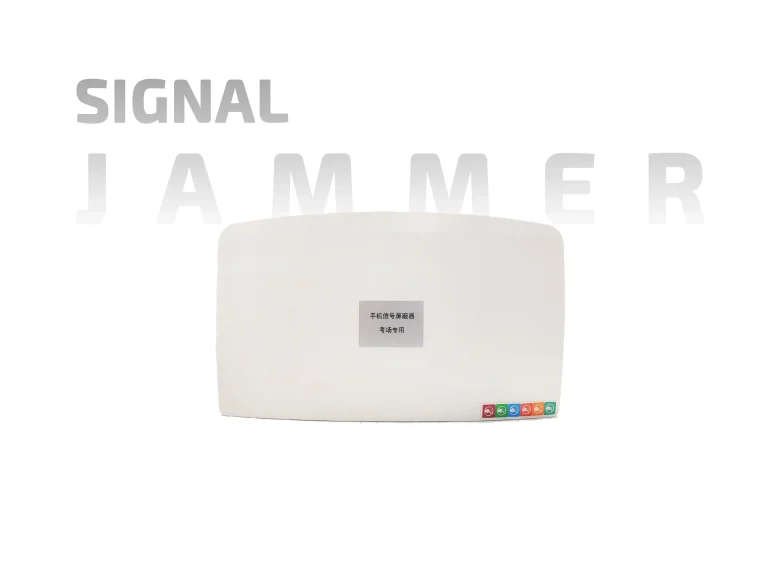
If you have searched for “signal jammer explained,” you may expect a product review or a power comparison. In wireless signal management and mobile signal management, the more useful explanation is about interference, control, and legal boundaries. A signal jammer is a radio-frequency transmitter that deliberately raises the noise level at a receiver so that a wanted signal becomes difficult or impossible to decode. It is a denial-of-service tool at the radio layer, not a decryption device or a general-purpose security solution.
For a technical walkthrough of how interference affects different receivers, see the explainer on how a signal jammer works across RF, GPS, WiFi and cellular. For a compliance-first view of product claims, see the guide to the best signal jammer 2026.

The Management View: Interference Is a Controllable Risk
Wireless signal management is about keeping intended links reliable while reducing unwanted interference. Mobile signal management adds licensed cellular spectrum, emergency-call access, and strict regulatory oversight. From this perspective, “signal jammer explained” should answer three questions:
-
What signal is being denied?
-
Who or what else could be affected?
-
Is the activity authorized, contained, and documented?
These questions matter because jamming does not discriminate neatly. A device intended to affect one band or area can create collateral interference for nearby receivers, including safety-critical systems.
Common Signal Environments and Management Responses
| Signal environment | Why jamming is sometimes raised | Management-first response |
|---|---|---|
| Office or campus WiFi | Congestion, unauthorized access points, or testing needs | Audit channels and spectrum; isolate test areas; use policy controls |
| Industrial wireless links | Reliability concerns or controlled testing | Use shielded testing and fail-safe design; coordinate with operations |
| GNSS-dependent operations | Position, navigation, and timing resilience | Monitor timing sources; use authorized test ranges only |
| Mobile cellular coverage | Privacy or facility communications policy | Work with carriers and legal counsel; never jam open-air spectrum |
| Event or facility security | Controlled communications expectations | Prefer zoning, policy, and authorized solutions |
This table is deliberately management-focused. It avoids treating a jammer as a default answer. In most environments, the first response is spectrum planning, access control, equipment inspection, or authorized testing—not interference.
Misconceptions vs. Management Reality
| Common misconception | Management reality |
|---|---|
| “A jammer only affects the target device.” | RF energy can reach unintended receivers nearby. |
| “Higher power always means better results.” | Antenna pattern, bandwidth, filtering, and site conditions often matter more. |
| “If it works, it must be legal.” | Legality depends on jurisdiction, spectrum, authorization, and purpose. |
| “Jamming is a form of hacking.” | It is usually physical-layer denial of service, not data theft or decryption. |
| “A product label proves performance.” | Authorized teams need documentation, testing, and containment plans. |
What Authorized Teams Should Verify
Before any authorized interference testing, teams should confirm the legal basis, the exact signals involved, the protected area, the containment method, and the shutdown procedure. They should also assess emergency services, aviation, GNSS timing, hospitals, and other critical users. A written test plan and audit log are more valuable than a marketing specification.
Bottom Line
Signal jammer explained, from a wireless and mobile signal management perspective, is not a buying guide. It is a risk-management topic. The technology works by overwhelming receivers with interference, but responsible use depends on authorization, containment, safety coordination, and clear documentation. For most organizations, the best explanation leads to better spectrum management—not to an uncontrolled jammer.