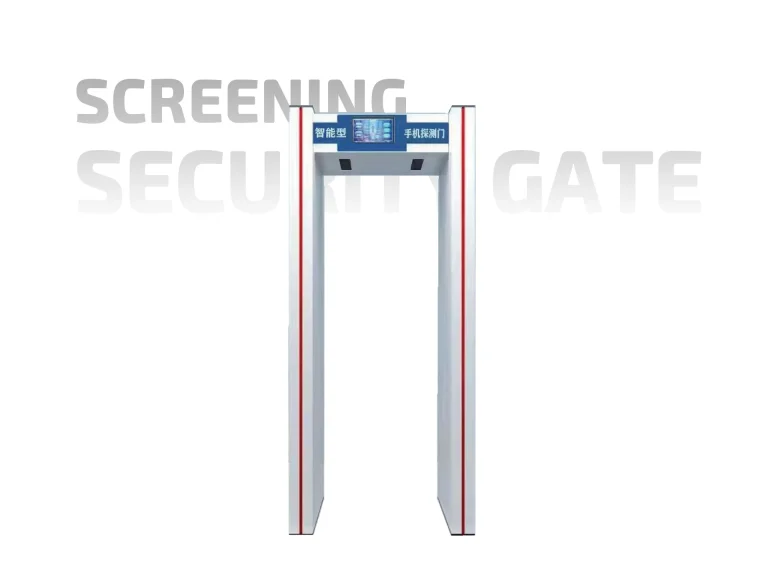
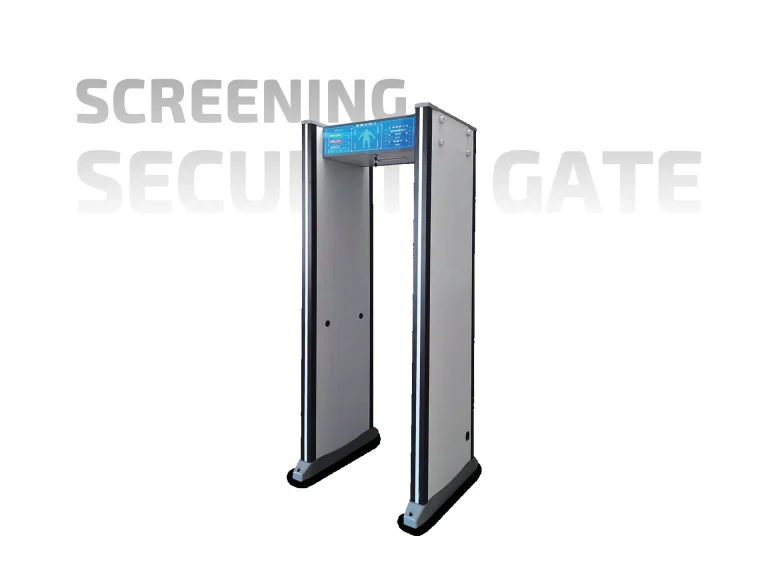
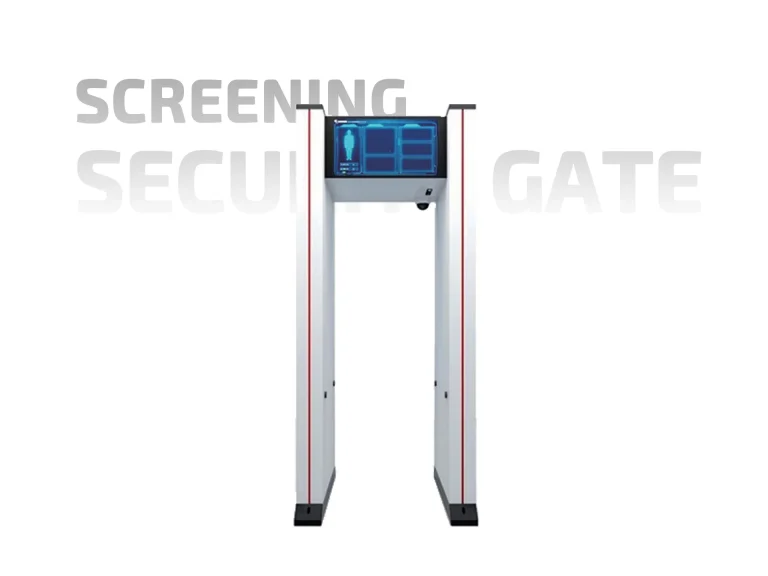
A walk-through metal detector gate is one of the easier security items to price and one of the harder ones to compare. Two quotes for what sounds like the same gate can differ by several thousand dollars. Often, neither quote is wrong—they simply include different hardware, installation scope, training, and service terms.
This article looks at the price question from a budgeting angle: what the number on the quote usually covers, which gate features move the price, and which costs tend to appear after the purchase order is signed.

Unit price is not lane price
The first distinction to make is between the gate itself and the screening lane around it. A gate quote may cover only the frame, control unit, and basic documentation. A usable lane also needs a level mounting surface, a dedicated power circuit, queue space, a secondary screening point, staff instructions, and a test routine.
That is why a gate listed at a few thousand dollars can become a five-figure lane once installation and supporting works are added. Buyers who budget only for the unit often face a funding gap later.
Indicative gate price bands
The ranges below are for planning discussions only. They are not vendor quotations and will vary by region, specification, and order volume.
| Gate type | Indicative unit price (USD) | Typical use | What affects the price |
|---|---|---|---|
| Basic single-zone gate | $1,500–$4,000 | Low-risk entrances, small events, temporary sites | Simple electronics, fewer alarm-location features, basic warranty |
| Multi-zone gate | $3,000–$8,000 | Venues, corporate lobbies, courthouses | More detection zones, clearer alarm location, more operator training |
| High-sensitivity or high-throughput gate | $6,000–$15,000 | Airports, high-security facilities, busy checkpoints | Stronger signal processing, wider aperture, compliance documentation |
| Outdoor or weather-protected configuration | $8,000–$20,000+ | Exposed sites, temporary structures, festivals | Shelter, mounting, power protection, environmental sealing |
These figures usually exclude delivery, installation, site preparation, training beyond the initial session, and extended service agreements.
What pushes the price up or down
Gate prices respond to specification and commercial factors. The table below separates the main drivers.
| Price driver | Direction | Practical effect |
|---|---|---|
| Number of detection zones | Up | More precise alarm location but more operator training |
| Sensitivity and signal processing | Up | Better performance in difficult environments |
| Aperture width and frame size | Up | Easier access for attendees and equipment |
| Order volume | Down per unit | Larger orders can reduce unit cost |
| Warranty length and response time | Up | Faster service and spare-parts support |
| Compliance and acceptance testing | Up | Documentation, testing, and certification work |
| Site conditions | Up | Leveling, power upgrades, shielding from metal structures |
| Basic vs. integrated control | Mixed | Basic controls cost less; networked controls add integration cost |
A buyer who needs a gate for a low-risk entrance with a well-run lane may not benefit from a high-sensitivity model. Conversely, a busy checkpoint that saves a few hundred dollars on a basic unit may lose far more in queue time and alarm confusion.
Costs that often sit outside the gate quote
The following items are frequently omitted from the initial quotation. They should be budgeted explicitly.
-
Site survey and floor preparation
-
Dedicated power circuit or power protection
-
Delivery, unloading, and assembly
-
Operator and supervisor training
-
Hand-held detectors for alarm resolution
-
Secondary screening area setup
-
Signage and queue barriers
-
Start-of-shift test pieces and recording materials
-
Extended warranty or service-level agreement
-
Spare parts and calibration support
-
Staffing for peak periods
A useful habit is to ask each vendor for a three-year total cost estimate that includes service and training, not just the purchase price.
How to compare gate quotes fairly
Ask vendors to itemize their quotes using the same categories: gate hardware, controls, delivery, installation, training, warranty, service, and optional items. Then compare the assumptions behind each quote—lane count, throughput, site conditions, and staffing model.
It also helps to ask what is excluded. A quote that clearly states exclusions is easier to compare than one with ambiguous scope. If a vendor cannot explain what happens after the warranty ends, the low price may not be the real cost.
Before finalizing the purchase, request a site demonstration with your own test items. A showroom demonstration confirms the gate works; a site demonstration confirms it works where you plan to use it.
Where the deployment guide picks up
Price is only one part of the decision. Once the budget range is clear, the operational questions take over: where the gate sits, how sensitivity is set, how the queue is laid out, and how alarms are resolved. Those details are covered in our walk-through metal detector gate deployment guide, which focuses on site parameters, testing routines, and lane design rather than procurement.
Bottom line
Walk-through metal detector gate prices range from roughly $1,500 for a basic unit to more than $20,000 for a high-specification or weather-protected configuration. The installed lane usually costs more than the gate itself. Buyers get better value when they compare itemized quotes, budget for installation and service, and match the gate specification to the actual checkpoint risk and throughput—rather than choosing on unit price alone.