October 19, 2026
7 Powerful China Portable Drone Jammer Insights
Explore China portable drone jammer options: RF bands, cooling, compliance, and sourcing tips. Compare suppliers with this 2026 buyer overview.
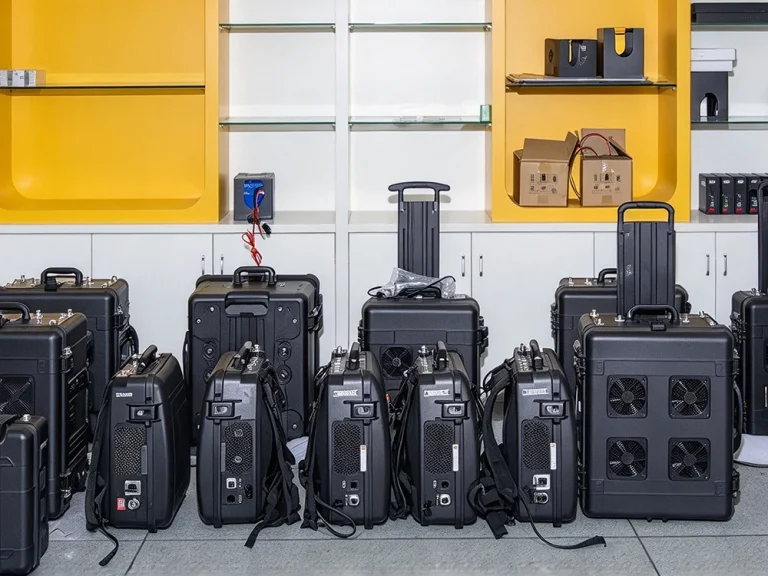

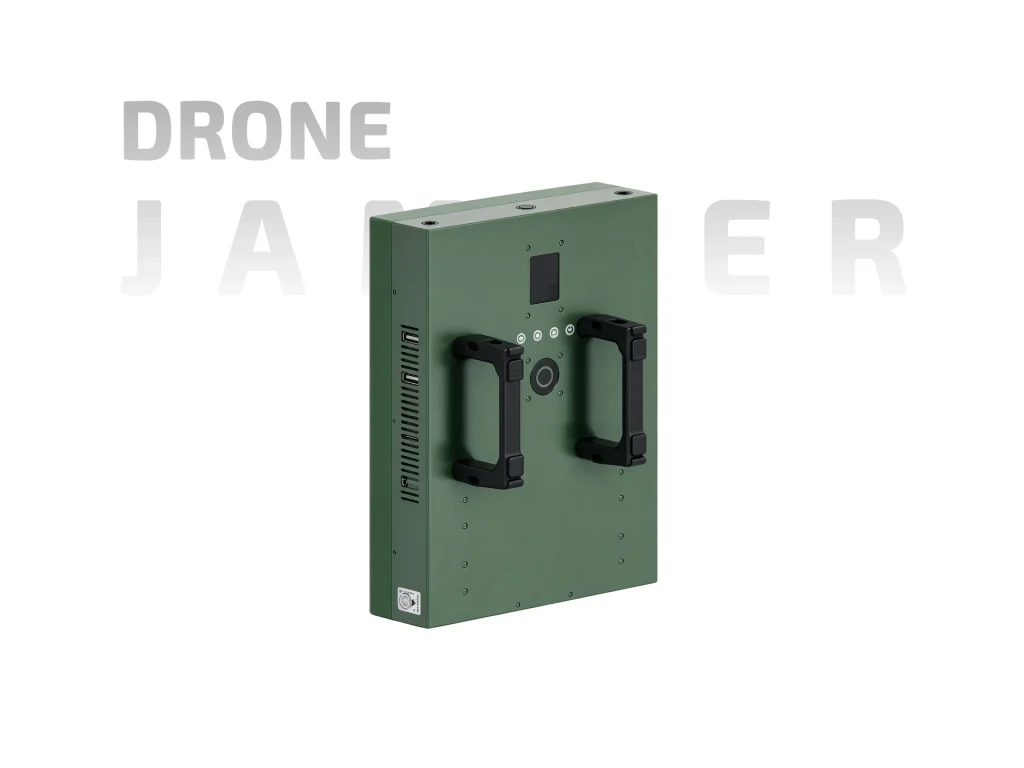
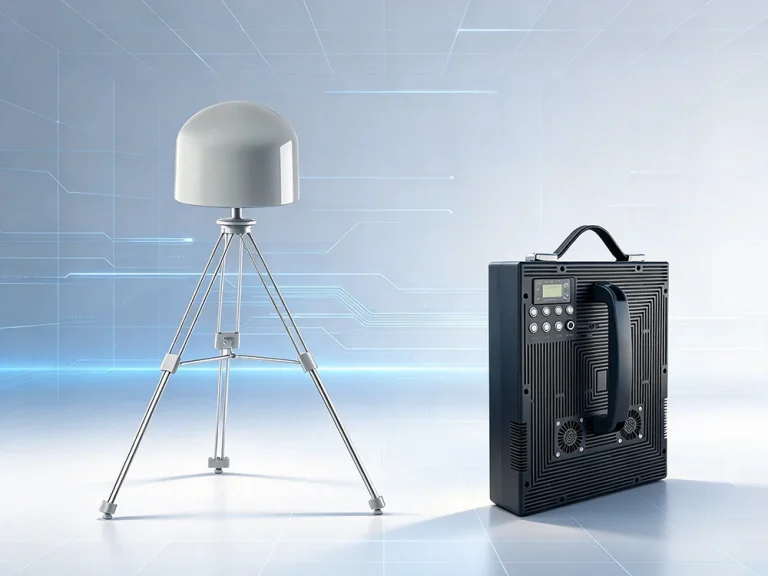
Shield-Type Drone Jammer ETLD-HD04J: 900–6000 MHz, 0–3000 m range, 3-inch LCD, 27V 8A battery, 5+ channels, 900M/1.5G/2.4G/5.2G/5.8G.
The ETLD-HD04J is a shield-type drone jammer for security teams that need a fast, handheld response to unauthorized UAVs. It covers 900–6000 MHz and supports at least five jamming paths: 900M, 1.5G, 2.4G, 5.2G, and 5.8G. The rated range is 0–3000 meters. A 3-inch LCD, internal 27V 8A battery, and shield layout make it suitable for patrols, checkpoints, VIP events, and fixed-site protection.

The shield design lets an operator point the device naturally while watching the sky. It is easier to carry than a box jammer and faster to deploy than tripod systems. The shape also helps direct energy toward a known bearing. For staff who are not RF specialists, this simple form reduces training time. The 3-inch LCD shows status information, so users can confirm the unit is active before and during use.
Drone threats often use more than one link. Control, video, and navigation signals may sit on different bands. The ETLD-HD04J covers 900–6000 MHz, with 900M, 1.5G, 2.4G, 5.2G, and 5.8G as key bands. At least five channels are available. This spread helps address common commercial drones, including those using 2.4 GHz and 5.8 GHz for control and video. The 1.5G band can be relevant for GNSS-related signals, while 900M may cover certain telemetry links. Because coverage is broad, operators do not always need to identify the drone before responding.
The rated jamming distance is 0–3000 meters. Real results depend on terrain, obstacles, antenna orientation, and drone altitude. Clear line of sight gives the best performance. The internal 27V 8A battery supports field use without external power, which matters for mobile teams. Runtime varies with the number of active bands and continuous use. Charge fully before deployment and carry a backup for longer duties. The 3-inch LCD helps monitor the system, but local power and safety rules still apply.
This shield-type drone jammer is intended for airports, prisons, military bases, border checkpoints, stadiums, government buildings, and private events. It should be used only by authorized, trained personnel where jamming is legally permitted. In many countries, jamming transmissions are restricted, so buyers must check national rules before use. The ETLD-HD04J is a controlled security tool, not a consumer device.
Operation is direct: power on, check the LCD, select the needed bands, aim the shield at the drone, and hold a stable direction. If the drone does not respond, adjust aim or move to a clearer position. Multi-band coverage can save time because operators may not need to identify the drone first. The shield layout also keeps the operator mobile while tracking a moving target.
Check that the available bands match your local drone threat. Treat 900–6000 MHz as broad coverage, and review the 0–3000 meter range as a best-case figure. Consider battery runtime with all five channels active. Confirm legal authorization and training. For storage and transport, a protective case and charging plan are practical. If you need fixed installation, compare this model with panel or vehicle systems. If you need portable response, the shield format has clear advantages.
The Shield-Type Drone Jammer ETLD-HD04J combines wide frequency coverage, long rated range, and a user-friendly shield design. Its 900–6000 MHz span, five or more bands, 3-inch LCD, and 27V 8A battery make it a practical option for authorized anti-drone teams. Success depends on training, line of sight, and local law. Used correctly, it can add a useful layer of protection when unwanted drones enter restricted airspace.
| Parameter | Specification | Notes |
| Jamming Frequency | 900–6000 MHz | Wideband coverage |
| Jamming Bands | 900M / 1.5G / 2.4G / 5.2G / 5.8G | Common drone control, video, and GNSS-related links |
| Jamming Channels | ≥5 | Multiple jamming paths |
| Jamming Range | 0–3000 m | Rated distance; depends on line of sight and environment |
| Display | 3-inch LCD | Status monitoring |
| Battery | Internal 27V 8A high-capacity battery | Field use without external power |
| Model | ETLD-HD04J | Shield-type drone jammer |
| Product Type | Shield-Type Drone Jammer | Handheld directional format |
Explore China portable drone jammer options: RF bands, cooling, compliance, and sourcing tips. Compare suppliers with this 2026 buyer overview.
Discover how a portable drone jamming system secures airspace. Learn about RF disruption, portability features, and buying tips for tactical teams.
Fixed vs portable drone jammer compared: coverage, power, cost, deployment, and legal use. Learn which counter-UAS option fits your site.