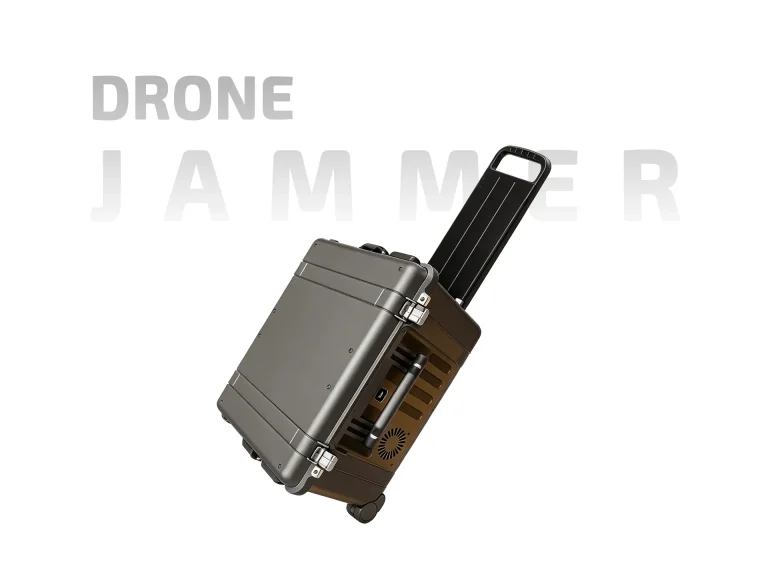
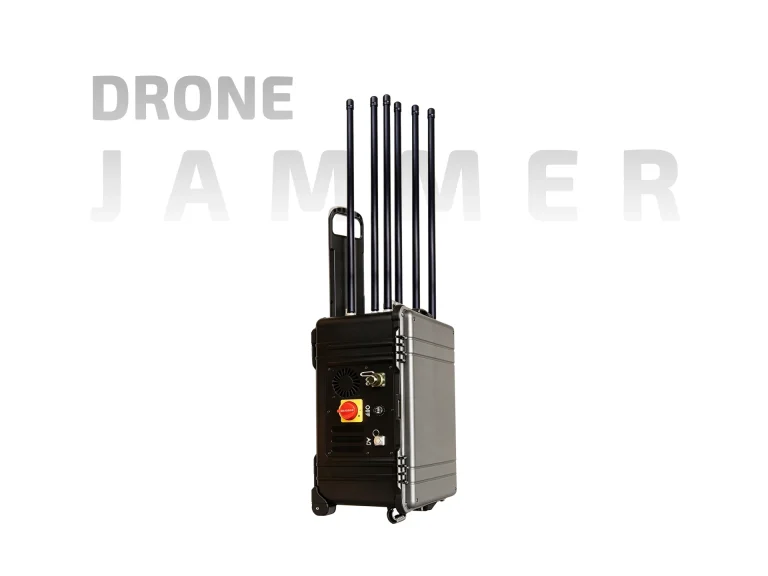
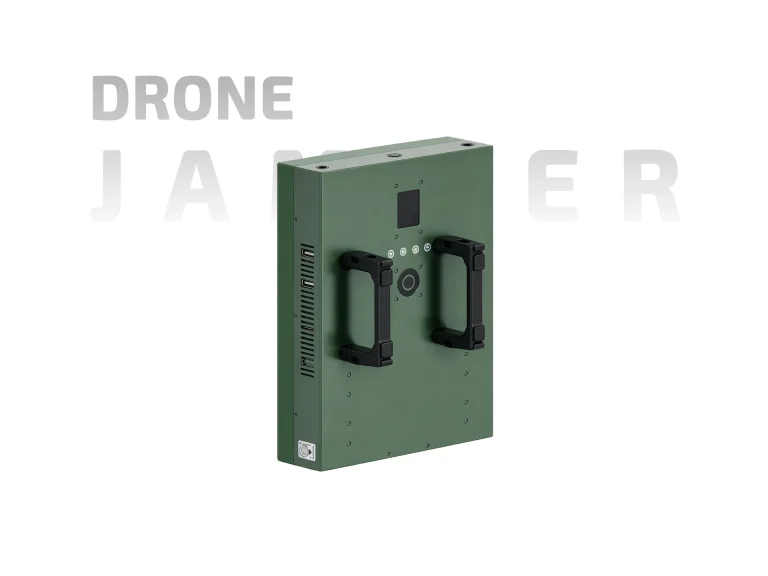
China portable drone jammer supply chains have become a central topic for security procurement teams worldwide. Buyers are drawn by competitive pricing and fast manufacturing, but they also face questions about compliance, documentation, and real-world performance. This article breaks down what actually matters when sourcing from Chinese suppliers.

Why China Portable Drone Jammer Supply Chains Attract Buyers
China portable drone jammer manufacturers benefit from a mature electronics ecosystem. Components such as RF amplifiers, directional antennas, and lithium battery packs are readily available. That shortens lead times and supports rapid customization.
However, low prices can hide weak thermal design or missing compliance documents. Procurement teams should treat China as a manufacturing source, not a quality guarantee. The supplier’s testing discipline matters more than the country of origin.
Technical Specs That Separate Serious Suppliers
A credible China portable drone jammer should publish band-by-band data. Vague claims like “full frequency coverage” are a warning sign. The table below shows the minimum detail buyers should request.
| Spec | What Good Looks Like | Common Weakness |
|---|---|---|
| RF bands | 2.4 GHz, 5.8 GHz, GPS L1 listed separately | “All bands” with no detail |
| Output power | Per-band wattage and antenna gain | Single total-power figure |
| Cooling | Active fan or liquid cooling with duty cycle | Passive heatsink only |
| Runtime | Continuous operation data at 40°C | Lab-only room-temperature claims |
| Weight | Under 10 kg for handheld use | Heavy backpack-only designs |
| Interface | Simple controls and status indicators | Complex menus with no training |
Buyers should also request spectrum analyzer screenshots from factory tests. A serious supplier will provide them without hesitation.
Export Compliance and Legal Risk
This is where many deals fall apart. A China portable drone jammer may be legal to manufacture but restricted for export or end-use. Chinese export controls and destination-country import rules both apply.
In the United States, the FCC generally prohibits jammer operation by private citizens. Similar restrictions exist in many EU countries. Buyers must confirm end-user authorization before placing orders.
Ask the supplier for export classification documents and end-user certificates. If they dismiss compliance questions, walk away. A cheap unit is worthless if it gets seized at customs or creates legal exposure.
How to Evaluate China Portable Drone Jammer Vendors
Not every China portable drone jammer supplier is a manufacturer. Many are trading companies that outsource assembly. Use this scoring table to separate them.
| Criterion | Manufacturer Signal | Trading Company Signal |
|---|---|---|
| Factory access | Invites video or in-person audit | Avoids showing production line |
| RF testing | In-house spectrum analysis | No test data available |
| Customization | Offers band and antenna changes | Fixed catalog only |
| Documentation | Provides compliance and test reports | “We can send later” |
| After-sales | Spare parts and firmware updates | No technical support path |
Sourcing Workflow and Factory Verification
A disciplined sourcing process reduces risk. Start with a technical questionnaire, then request a live video audit. Test a sample unit against known drone models before scaling the order.
Recommended Sourcing Steps
-
Technical screening — request band data, cooling specs, and test reports.
-
Compliance check — verify export classification and end-user requirements.
-
Sample order — buy one unit and run thermal and range tests.
-
Factory audit — video walkthrough of assembly and testing areas.
-
Pilot deployment — field trial with operator training.
-
Scale order — negotiate warranty and spare parts terms.
Short paragraphs and clear checkpoints keep the process manageable. Avoid skipping the sample stage, even when the price is attractive.
Bottom Line
The China portable drone jammer market offers real value, but only for buyers who verify specs, compliance, and factory capability. Focus on documented RF performance, active cooling, and legal clarity. A structured sourcing workflow will save more money than a low initial quote ever will.