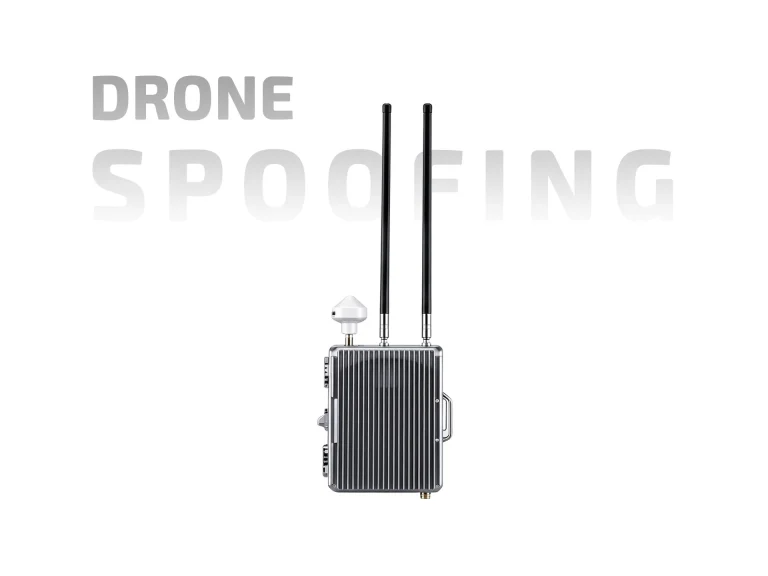
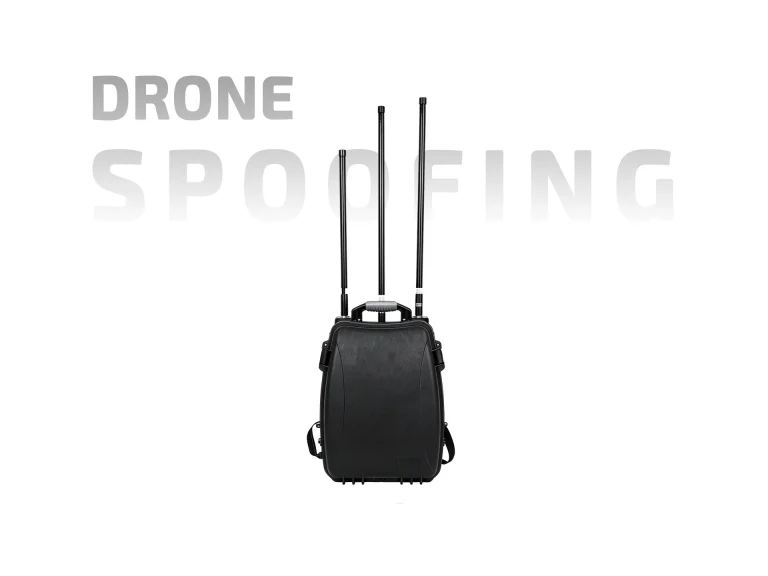
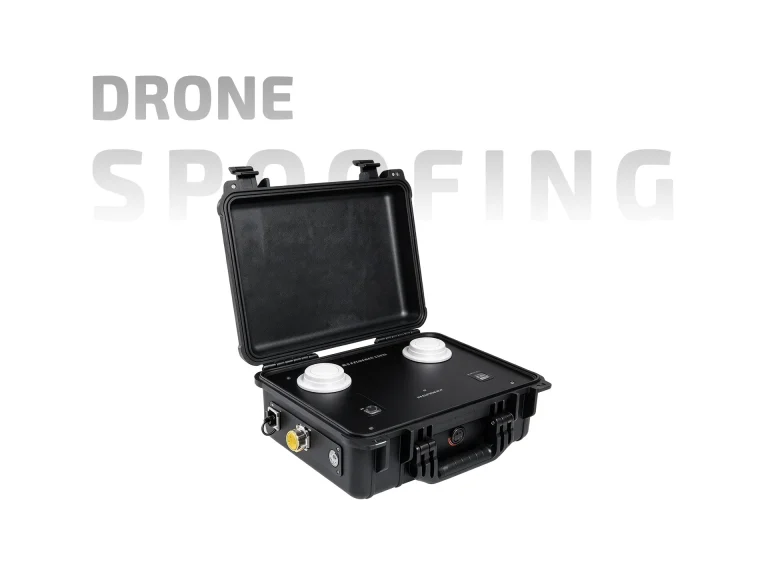
Drone spoofer price list searches often lead buyers to unrealistic expectations. Some expect a plug-and-play device for a few hundred dollars. Others imagine military-grade systems at consumer prices.
The reality is different. A drone spoofer is not a simple gadget. It is a radio frequency system that must match GNSS signals, manage timing, and avoid detection. That complexity drives cost—and legal risk.
This guide breaks down what typically appears on a drone spoofer price list, what drives those prices, and why the legal question matters more than the sticker price.

Drone Spoofer Price List: An Overview
A drone spoofer price list is rarely public. Most legitimate vendors do not publish prices because sales are restricted to authorized government, defense, or research buyers.
What exists online is a mix of outdated information, DIY kits, and misleading listings. Some are scams. Others are illegal.
Why There Is No Single Price
Spoofers vary widely in capability. A single-band GPS L1 spoofer is not the same as a multi-band system that covers GPS, Galileo, GLONASS, and BeiDou.
Price depends on:
-
Frequency coverage
-
Output power
-
Antenna design
-
Timing accuracy
-
Software features
-
Legal authorization status
A basic unit may cost a few thousand dollars. A high-end system can exceed several hundred thousand dollars.
What a Price List Usually Includes
Most quotes include the main unit, antenna, power supply, and basic software. They rarely include training, legal review, spectrum licensing, or integration with existing counter-drone systems.
That is why the final cost is often much higher than the initial quote.
Key Factors That Shape a Drone Spoofer Price List
Several technical factors determine price. Understanding them helps buyers evaluate whether a quote is realistic.
Frequency Bands and Coverage
Single-band spoofers are cheaper. Multi-band spoofers cost more because they need multiple signal generators, synchronized timing, and broader antenna systems.
For a detailed look at bands, see Drone Spoofer Frequency.
Output Power and Range
Higher power means longer range. But higher power also increases size, cooling needs, and detection risk. A portable low-power unit may cost far less than a vehicle-mounted high-power system.
Antenna Design and Cooling
Directional antennas improve efficiency but add cost. Cooling systems are necessary for continuous operation. Without them, the spoofer may overheat or shut down.
Software, Timing, and GNSS Knowledge
The software must generate realistic GNSS signals. It must handle timing, Doppler shift, and multi-constellation consistency. This is where many low-cost spoofers fail.
| Cost Driver | Impact on Price | Why It Matters |
|---|---|---|
| Single vs. multi-band | Low to high | More bands require more hardware |
| Output power | Low to very high | Higher power needs cooling and safety margins |
| Antenna type | Moderate | Directional antennas cost more |
| Timing accuracy | High | Poor timing breaks receiver lock |
| Software features | High | Advanced spoofing needs complex algorithms |
| Legal authorization | Variable | Licensed systems include compliance costs |
Typical Drone Spoofer Price List Tiers
The following ranges are approximate. They are based on publicly available tender documents, industry estimates, and market observations. They are not purchase recommendations.
| Tier | Typical Price Range (USD) | What You Get | Legal Status |
|---|---|---|---|
| Entry-level single-band | $1,000 – $5,000 | GPS L1 only, low power, basic antenna | Illegal for civilian use in most countries |
| Mid-range multi-band | $5,000 – $20,000 | GPS, Galileo, GLONASS, moderate power | Restricted to authorized testing |
| High-end portable | $20,000 – $80,000 | Multi-band, directional antenna, advanced software | Government and defense only |
| Military-grade | $80,000 – $500,000+ | High power, encrypted signals, integrated systems | Classified programs |
These numbers can shift dramatically based on region, customization, and export controls.
Hidden Costs Missing from Most Price Lists
The sticker price is only part of the story. Buyers often overlook these costs.
| Hidden Cost | Typical Impact | Notes |
|---|---|---|
| Spectrum licensing | High | Required in some jurisdictions |
| Legal review | Moderate | Necessary for compliance |
| Training | Moderate | Operators need specialized skills |
| Maintenance | Moderate to high | Calibration and repairs |
| Integration | High | Connecting to radar or command systems |
| Insurance | Variable | Liability coverage may be required |
| Disposal | Low to moderate | Secure decommissioning |
DIY vs. Commercial Spoofers: Cost Comparison
Some buyers consider building a spoofer from open-source hardware. This is cheaper but far more difficult.
| Factor | DIY Spoofer | Commercial Spoofer |
|---|---|---|
| Initial cost | $500 – $3,000 | $5,000 – $500,000+ |
| Technical skill | Very high | Moderate |
| Reliability | Low | High |
| Legal risk | High | High without authorization |
| Support | None | Vendor support available |
| Detection risk | High | Lower with proper design |
DIY spoofers often fail because they cannot maintain timing consistency or multi-band synchronization. They may also interfere with critical infrastructure, creating serious legal exposure.
Rental, Lease, and Subscription Models
Some authorized vendors offer rental or lease options. This can reduce upfront cost and shift maintenance to the vendor.
Rental is common for:
-
Government testing
-
Defense exercises
-
Research programs
-
Temporary event security
However, rental does not remove legal requirements. The buyer still needs authorization.
Legal Reality Check: Why Price Is Not the Main Issue
In most countries, transmitting GNSS spoofing signals is illegal outside authorized government or defense use. The price list is irrelevant if the purchase itself is unlawful.
| Region | General Rule | Consequence |
|---|---|---|
| United States | FCC prohibits jamming and spoofing | Fines, criminal charges |
| United Kingdom | Wireless Telegraphy Act controls interference | Prosecution possible |
| European Union | National regulators enforce spectrum rules | Equipment seizure |
| Most nations | GNSS interference is a safety issue | Severe liability |
This article is for education and defense planning. It is not legal advice. Consult a qualified attorney before considering any GNSS spoofing technology.
For a deeper look at how spoofing works, see GPS Spoofing Drone and Do Drone Spoofers Work?.
How to Evaluate a Drone Spoofer Quote Legally
If you are authorized to evaluate spoofing technology, ask these questions:
-
Does the vendor provide legal authorization support?
-
What frequency bands are covered?
-
What is the output power and range?
-
Is the system certified for your region?
-
What training and maintenance are included?
-
How does the system avoid interfering with critical infrastructure?
A legitimate vendor will answer these questions clearly. A seller who avoids them is a red flag.
Final Takeaway
A drone spoofer price list is not a shopping guide. It is a snapshot of a restricted technology with serious legal and safety implications.
Prices reflect capability, but they also reflect risk. For most security teams, the better investment is detection, multi-sensor tracking, and authorized mitigation.
If you need counter-drone capability, focus on legal, layered defense—not on finding the cheapest spoofer.