A fixed drone detection system price is rarely a single number. Two quotes for what sounds like the same coverage can differ by several times, and the gap is usually explained by sensor mix, installation complexity, software licensing, and support terms—not by one vendor being unusually expensive.
Buyers who ask only “How much per unit?” tend to compare incomplete offers. A more reliable approach is to normalize each quote into the same cost categories, then compare the resulting budget envelope.

The main price drivers
Fixed detection pricing is built from several layers. The table below shows where budget usually goes and what changes the number.
| Cost layer | What it includes | What pushes the price up |
|---|---|---|
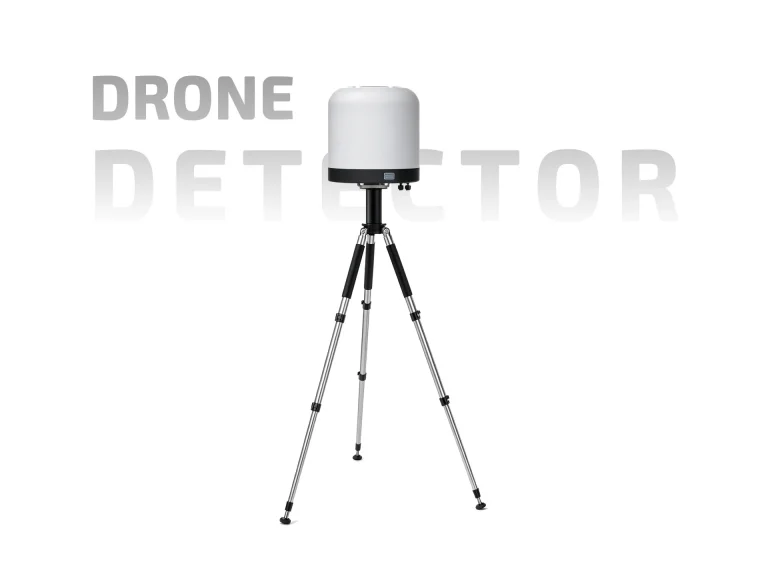
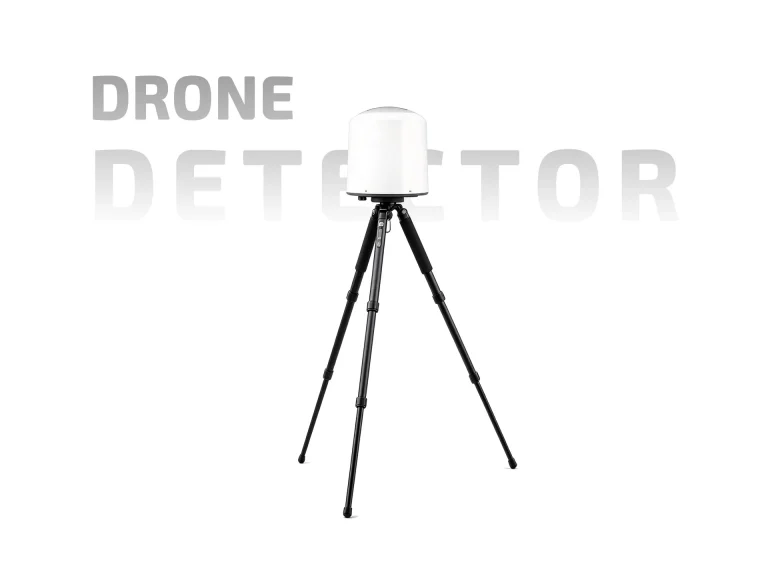
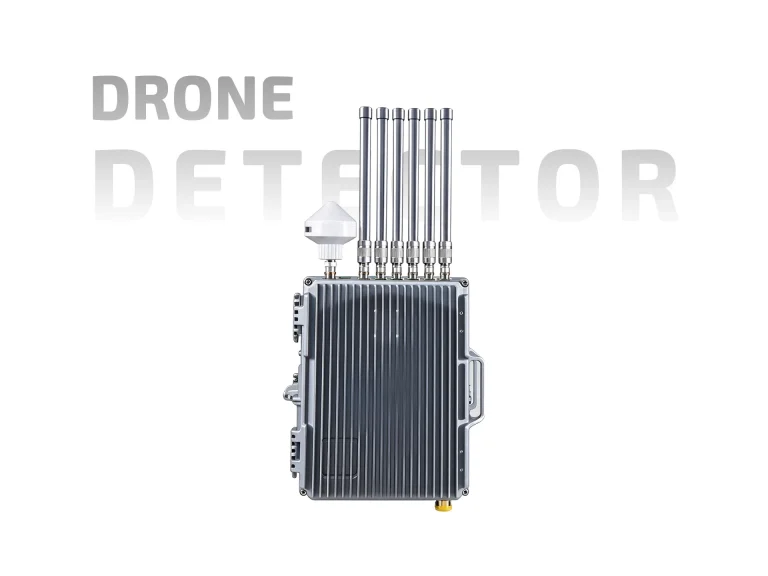
| Detection hardware | RF sensors, radar, cameras, or combined units | Wider coverage, higher sensitivity, layered sensor fusion |
| Site infrastructure | Mounting structures, cabling, power, network | Tall masts, long cable runs, hardened cabinets, difficult roofs |
| Software and licensing | Command software, analytics, API access, user seats | Multi-site management, advanced classification, third-party integrations |
| Installation and commissioning | Survey, mounting, calibration, acceptance testing | Complex sites, restricted access, strict safety requirements |
| Support and lifecycle | Warranty, firmware updates, spare parts, remote diagnostics | Extended SLAs, on-site response, long-term maintenance |
A low hardware price can be offset by expensive mounting work or annual software fees. That is why the first step is to define the operational requirement before requesting pricing. Our buyer’s guide for fixed drone detectors for sale explains how coverage geometry and alarm workflow affect the specification—and therefore the budget.
Why quotes vary so much
Three factors explain most price differences. First, detection method: an RF-only system usually costs less than a layered RF-radar-optical configuration, but it may not provide visual confirmation or accurate pilot location. Second, coverage area: doubling the protected perimeter is not simply doubling the sensor count; it changes mounting, power, and network design. Third, integration depth: connecting detection alerts to an existing VMS or PSIM can require custom development, testing, and cybersecurity review.
Another factor is the manufacturer’s business model. An OEM with in-house sensor design may price differently from an integrator that assembles third-party modules. If you are still shortlisting suppliers, our article on fixed drone detection system manufacturers covers production consistency, integration capability, and lifecycle support—all of which influence long-term cost.
Normalize every quote into the same categories
To compare fixed drone detection system price offers fairly, ask each supplier to break the quote into hardware, infrastructure, software, installation, training, and support. Then calculate a three-year and five-year total. A quote with a higher initial price but included updates and remote diagnostics may be cheaper than a low-cost system with paid service tiers.
Also clarify what is excluded. Common exclusions include mast foundations, electrical work, network switches, cybersecurity assessments, and spare parts. These items can materially change the final budget.
Budget questions to send before a quote
A short written request helps suppliers price consistently:
-
What area and approach paths must be covered?
-
Which detection methods are proposed, and what are their limitations?
-
Are software licenses perpetual or subscription-based?
-
What installation work is included, and what is excluded?
-
What support response time and spare-part policy apply?
-
What acceptance tests will prove performance before final payment?
Final thought
The real fixed drone detection system price is the total cost of achieving reliable coverage over several years—not the lowest hardware line in a quotation. Define the requirement, normalize the offers, and compare lifecycle costs. That is how buyers avoid paying twice: once for the system, and again for the gaps the first quote did not cover.