Project Background and Pain Points
A hospital in Tianjin recently reviewed security at its main entrances. The campus handles a high daily volume of patients, visitors, and staff, and the old screening setup was causing more problems than it solved. The existing walk-through metal detectors were sensitive to everyday medical items. Wheelchairs, crutches, knee braces, and even some hospital equipment triggered alarms constantly. Security staff ended up waving many people through just to keep the queue moving.
The hospital also had a more specific concern: unauthorized mobile phones in restricted areas. Some departments handle sensitive patient information, and there had been cases of visitors taking photos in treatment areas. Basic metal detectors could not tell a phone from a set of keys, and they certainly could not detect a phone that was switched off or wrapped in foil.
The requirements were straightforward. The new gates had to reduce false alarms from medical items, reliably flag mobile phones and other contraband, and keep passenger flow steady during outpatient peak hours. The hospital also wanted low power consumption and a design that could fit into existing entrance layouts without major construction.

Procurement and Equipment Specifications
The hospital purchased five intelligent security gates.
| Product | Model | Quantity |
|---|---|---|
| Intelligent Security Gate | ETLD-SG10 | 5 |
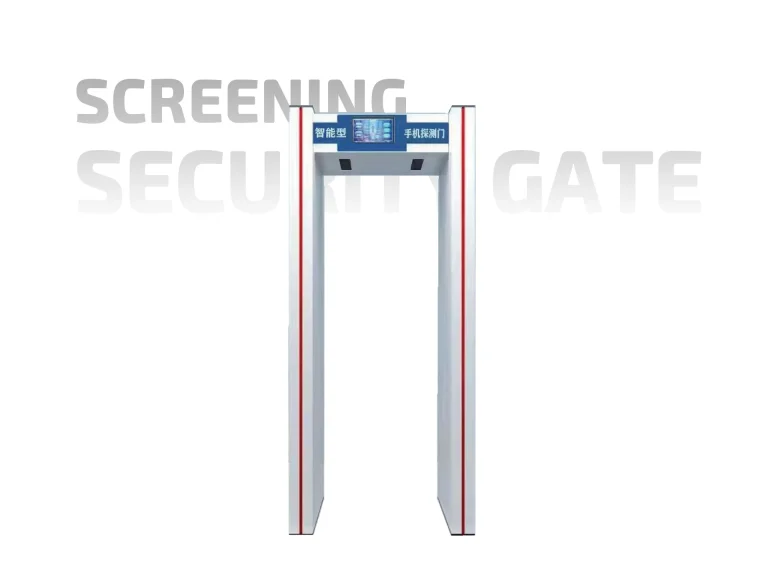
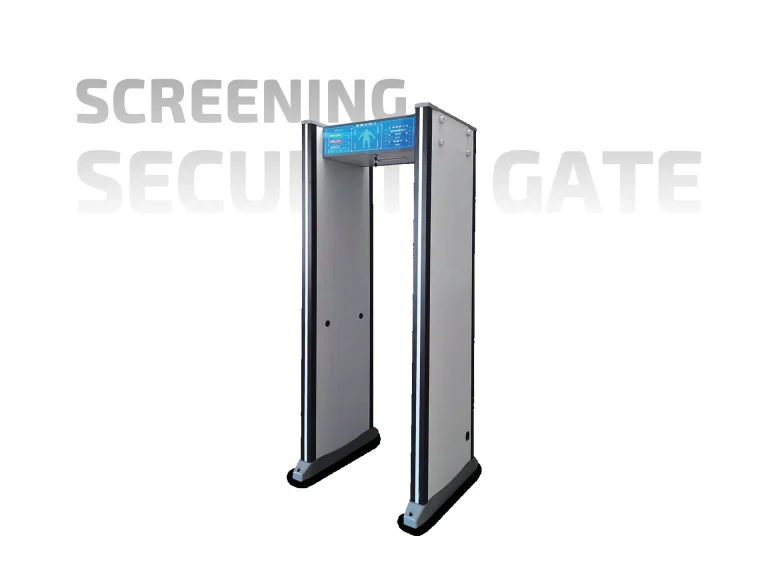
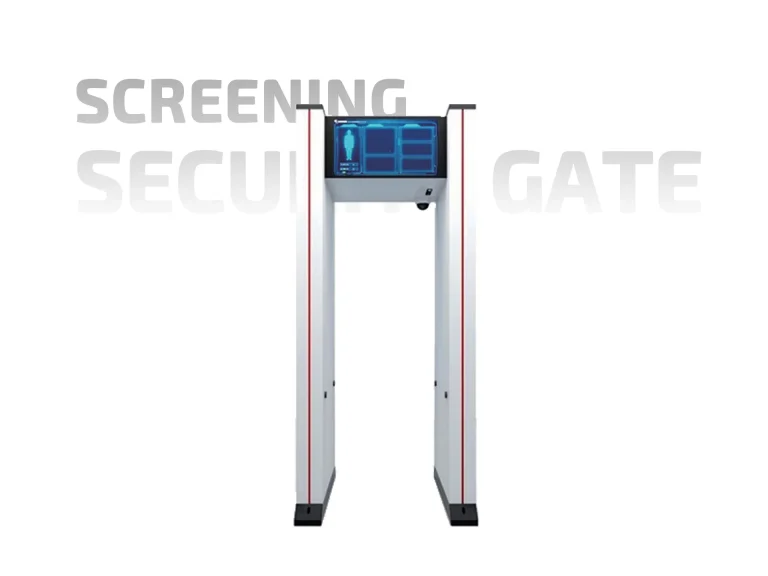
The ETLD-SG10 uses 23 built-in detectors and provides eight independent detection zones across both sides of the gate. It can detect mobile phones even when they are turned off, have the SIM card removed, or are wrapped in multiple layers of tin foil. The gate offers five operation modes: contraband detection, mobile phone detection, a combination of both, all-metal detection, and a flexible mode for site-specific needs. It filters out everyday items such as belts, glasses, and steel pens, and the multi-location alarm pinpoints the exact zone where a threat is detected. Power consumption is under 30W, working voltage is AC110V/240V at 50/60Hz, and the operating temperature range is -30°C to +45°C. The passing speed is 0.4m/s to 1.2m/s, and the modular design simplifies installation and maintenance.
Deployment and Real-World Results
The five gates were installed at the main outpatient entrance, the inpatient building entrance, the emergency department entrance, and two restricted-access corridors. Installation took less than a day per location because of the modular design. The hospital ran a three-week trial and compared results with the previous metal detector setup.
| Metric | Before Upgrade | After ETLD-SG10 |
|---|---|---|
| False alarm rate during peak hours | About 35–40% | About 10–15% |
| Average secondary screening time | 25–35 seconds | 10–15 seconds |
| Phone detection in restricted zones | Not reliable | Consistent, including off/foil-wrapped phones |
| Passenger throughput per gate | 18–22 per minute | 28–35 per minute |
| Power consumption per gate | Not recorded | Under 30W |
Security staff reported that the biggest change was the reduction in unnecessary secondary checks. The gate filtered out belts, glasses, and steel pens, so staff could focus on real alarms. The zone alarm feature was particularly useful at the emergency entrance, where space is tight and quick pinpointing matters. When a phone was detected, the alarm showed which zone to check, cutting search time roughly in half.
The hospital also tested the phone detection mode in a restricted corridor. Staff placed a switched-off phone with the SIM removed in a bag wrapped with foil. The gate flagged it consistently. In daily operation, the hospital used the combined contraband and phone mode at main entrances and the phone-only mode in restricted areas.
The gates operated through a week of cold weather and a separate warm spell without performance issues. Power draw stayed under 30W per unit, which was well within the hospital’s entrance electrical budget.
Project Value
The ETLD-SG10 intelligent security gate the hospital a screening layer that matches its actual environment. Medical items no longer dominate the alarm log, and security staff can respond to real threats faster. The ability to detect phones in restricted areas closed a gap that the old metal detectors could not address.
The five-mode flexibility means the hospital can adjust screening levels by entrance and by time of day. During outpatient peak hours, a faster mode keeps the queue moving. In restricted corridors, a stricter phone-detection mode supports privacy and information security. The modular design also means the hospital can add or relocate gates as departments change.
For future expansion, the hospital can pair the gates with handheld detectors for secondary checks or connect alarm data to a central security desk. The low power draw and wide temperature range make the units suitable for entrance areas that are not fully climate-controlled.
Conclusion
The Tianjin hospital security gate procurement project addressed a common but often overlooked problem: standard metal detectors are a poor fit for medical environments. By deploying five ETLD-SG10 intelligent security gates, the hospital reduced false alarms, sped up screening, and added reliable mobile phone detection in sensitive areas. The project offers a practical reference for other hospitals planning similar entrance security upgrades.