The city is not named here at the public security bureau’s request. What can be shared is the procurement logic, the product mix, and the acceptance data. The buyer was a municipal public security bureau in Hubei Province. It needed controlled signal containment for authorized operations—major event security, checkpoints, emergency response, and temporary controlled zones—without adding a lot of equipment that officers would rarely use or struggle to deploy.
This was not a project where more boxes automatically meant better coverage. The bureau had older units in service, but the fleet was mixed. Fixed posts lacked consistent power and cooling arrangements. Mobile teams were carrying bulky cases that took too long to set up. Channel plans varied from site to site, and training was inconsistent. The procurement team wanted fewer models, clearer roles, and gear that matched how officers actually worked.

Project background and pain points
The bureau’s main issues were practical:
-
Fixed and mobile needs were being mixed. A high-power unit for a controlled checkpoint is not the same tool as a trolley case for a quick mobile deployment.
-
Setup time was uneven. Older mobile kits required more handling, cable checks, and power setup than officers wanted in a time-sensitive response.
-
Channel planning was not standardized. Different sites used different band configurations, which made training and spare-parts management harder.
-
Power and heat needed attention at fixed points. High-power equipment needs stable power and ventilation, not just a convenient wall socket.
-
Compliance records were thin. The bureau needed clear band plans, authorization records, operator training, and acceptance checks.
-
The fleet was hard to manage. Mixed models meant mixed controls, mixed documentation, and mixed operator confidence.
The buyer did not ask for “the most powerful jammer on paper.” It asked for a workable split between fixed/semi-fixed high-power units and mobile trolley units, with band plans matched to authorized local spectrum.
Procurement product specifications
| Model | Product type | Channels | Quantity | Project role |
|---|---|---|---|---|
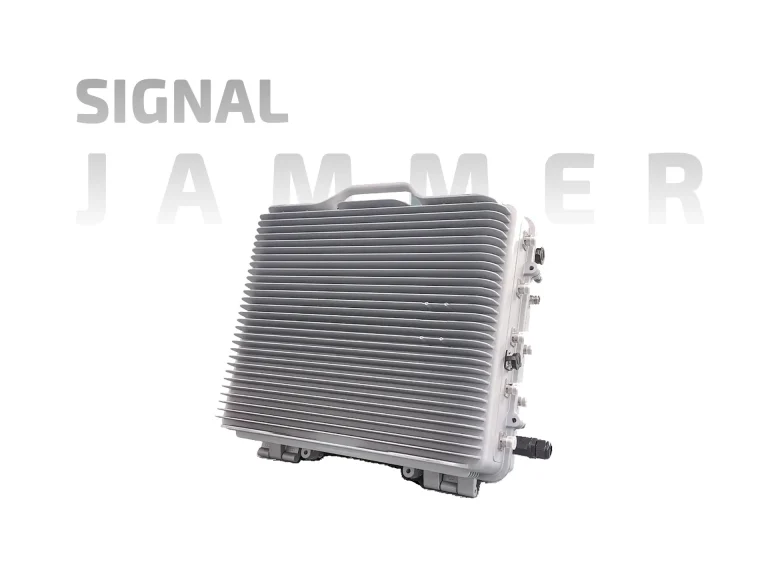
| ETLD-MD14NX | 14-Channel High Power Signal Jammer | 14 | 10 | Fixed and semi-fixed controlled points; backup capacity |
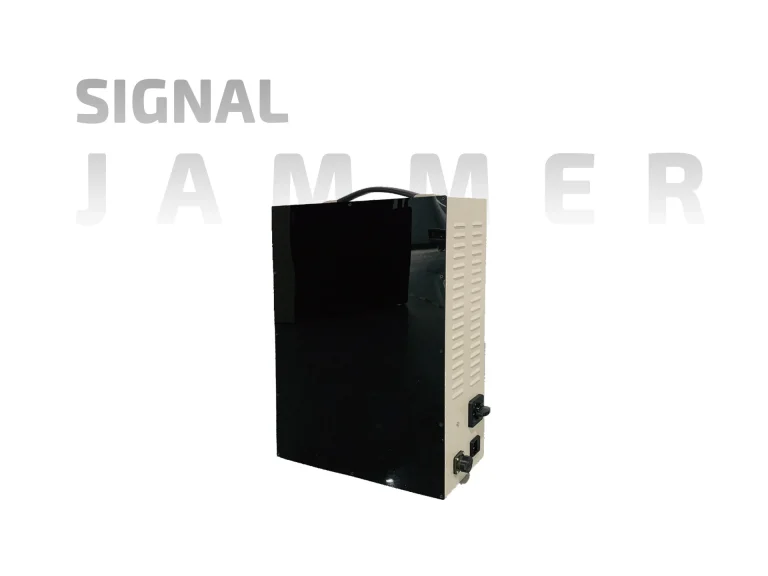
| ETLD-MDT12 | 12-Channel Trolley Case Signal Jammer | 12 | 5 | Mobile teams, temporary checkpoints, quick-response deployment |
Both models were configured for this project with band plans agreed with the local radio authority. All use was limited to authorized operations and written approvals. The equipment was not used for general-area blanket jamming.
The ETLD-MD14NX units were selected for sites where the bureau needed higher power and a more permanent installation. The 14-channel layout gave the team room to match the unit to each site’s approved band plan instead of forcing one configuration everywhere. The 10 units covered the bureau’s main controlled points and kept a small backup pool for maintenance rotation.
The ETLD-MDT12 trolley cases went to mobile teams. The 12-channel format fit the temporary checkpoint role, and the trolley case meant two officers could move the unit, power it up, run the self-test, and be ready without a separate transport crate. That sounds simple, but it was one of the main reasons the bureau chose this model over another fixed-style unit.
Implementation and acceptance
The project followed a short, practical path: site survey, band-plan review, configuration, operator training, and acceptance testing. Training was kept hands-on. Officers practiced startup, channel checks, shutdown, battery rotation, and basic fault reporting. The bureau also asked for simple logs—who used the unit, where, for how long, and under which authorization. That log format was agreed before delivery, not after.
The acceptance period focused on whether the units fit the workflow. The project team did not publish a single “coverage radius” figure because coverage depends on terrain, antennas, power, band, and the surrounding RF environment. Any supplier quoting one fixed number for every site is guessing. Instead, the acceptance record tracked setup time, self-test pass rate, channel-switching time, and operator feedback.
Actual operation effects and data
The figures below are rounded from the project acceptance log.
| Metric | Before / older mixed fleet | After acceptance |
|---|---|---|
| Standardized models in service | Mixed models | 2 models, 15 units |
| Trolley case setup by two officers | About 12–15 minutes | About 5–6 minutes |
| Fixed-point startup and checks | Often over 20 minutes | About 8–12 minutes |
| Channel adjustment | Manual, often 2–3 minutes | Under 30 seconds using preset configuration |
| Acceptance self-test | Not standardized | 15 of 15 units passed |
| Out-of-zone interference incidents within authorized test boundaries | Not consistently tracked | No reported incidents in the acceptance record |
| Operator training | Repeated by model | 2 shared sessions covering both models |
The trolley units were the clearest operational win. Mobile teams could move them by vehicle, wheel them into position, and complete startup without waiting for a separate power cart. In one temporary checkpoint rotation, the team changed locations twice in a day and kept the same unit in service. The fixed 14-channel units did what they were bought to do: hold the main controlled points with stable power and a configuration that did not need to be rebuilt every time.
There were also limits. The bureau still needs spectrum planning before deployment. Operators still need to understand authorization boundaries. The equipment did not remove those responsibilities, and it should not be sold as if it would.
Project value
The value was less about channel count and more about fit.
First, the bureau cut its working fleet to two models. That simplified training, spare parts, and deployment decisions. Second, the fixed/mobile split matched the actual work: high-power units for established controlled points, trolley cases for teams that move. Third, setup time dropped enough to matter in response windows. Fourth, the preset channel configurations reduced on-site fiddling and made compliance checks easier. Fifth, the acceptance logs gave the bureau a defensible record for internal review and future procurement.
The lesson from this project is straightforward: buy for the workflow, not the spec sheet alone. A 14-channel high-power unit is the right tool for a fixed controlled point. A 12-channel trolley case is the right tool for a mobile team. Mixing those roles is where many signal-shielding procurements go wrong. This Hubei project got the split right, kept the band plans controlled, and built the fleet around how officers actually deploy.