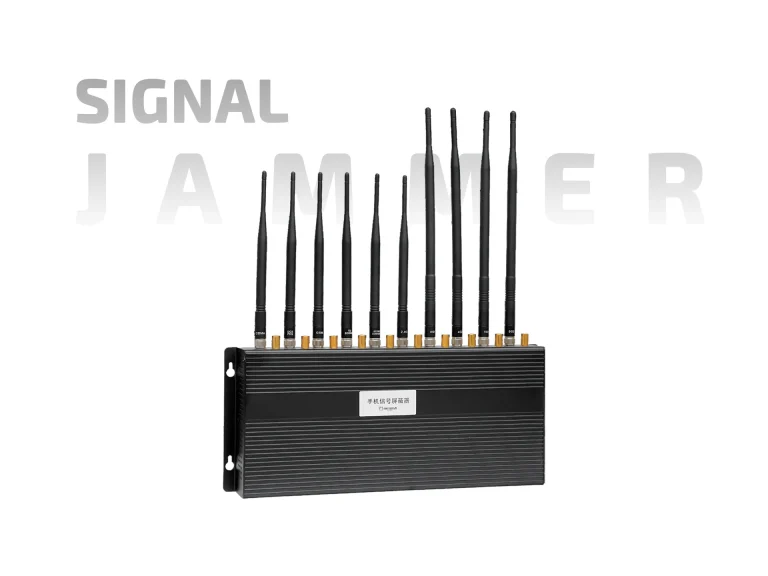
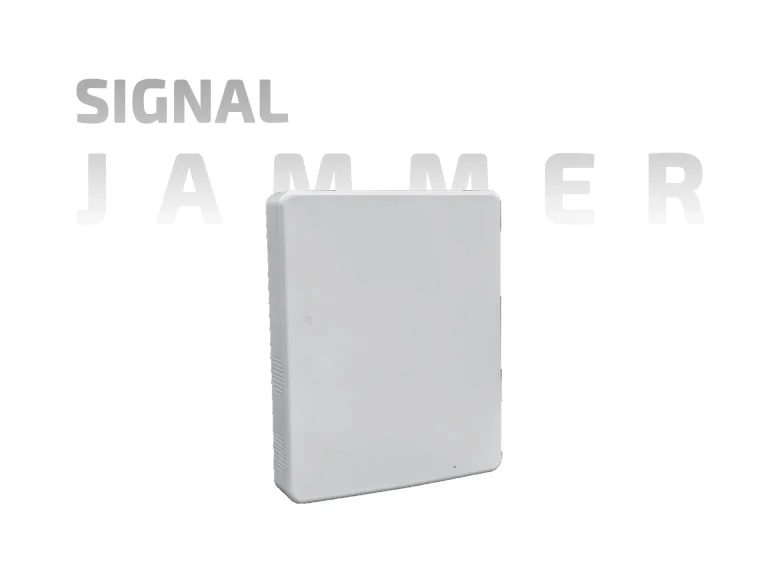
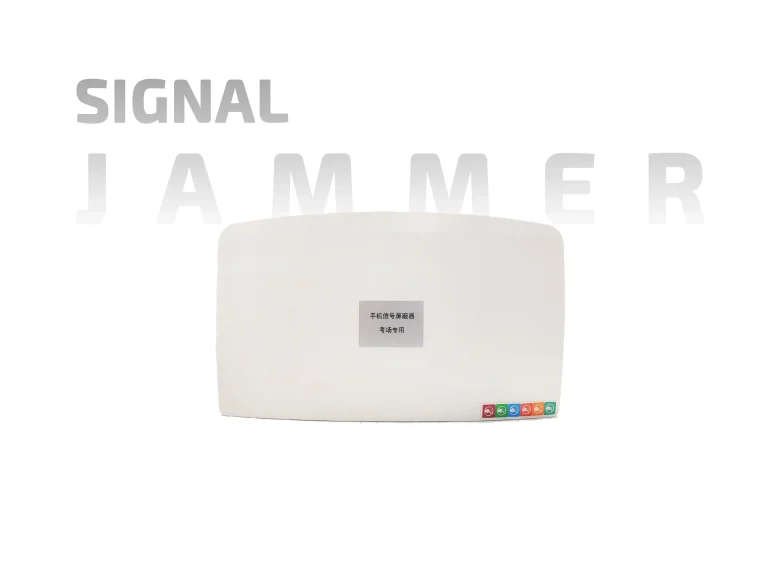
The buyer was a city prison system in Xinjiang. It asked not to be named. The project was a controlled procurement of signal-shielding equipment for authorized prison security inside designated areas. It was not a public-area jamming project, and it did not involve blanket disruption outside the facility. The prison worked with the local radio regulator on band plans and written approvals before deployment.

Project background and pain points
Contraband phones and unauthorized wireless devices remain a real security problem for prison systems. The buyer did not need a single oversized jammer for the whole compound. It needed localized control in rooms where unauthorized communication is a risk, with clear boundaries and simple operation.
The pain points were practical:
-
Mixed old equipment. Some units were too bulky for small interview rooms. Others were underpowered for larger rooms.
-
Heat and noise. Equipment running all day in enclosed rooms cannot be noisy or prone to thermal shutdown.
-
Simple operation. Not every officer is an RF technician. Startup, channel checks, and shutdown had to be easy.
-
Scheduling and records. The prison wanted remote on/off scheduling and logs for authorization and audit.
-
Interference boundaries. The prison needed to keep effects inside approved zones and avoid affecting neighboring public networks. That required site survey and power/channel tuning, not just buying boxes.
That last point mattered more than the spec sheet. A jammer that leaks outside the approved room creates a compliance problem. A jammer that is too weak for the room creates a security gap. The procurement team wanted both roles covered without adding a third or fourth model.
Procurement product specifications
| Model | Product type | Power | Channels | Jamming radius | Coverage | Antenna | Quantity |
|---|---|---|---|---|---|---|---|
| ETLD-MD10 | Low Power Signal Blocker | 20W | 11 | 1–15m | ~40m² | Built-in high-gain omni-directional | 5 |
| ETLD-MD9X | Medium Power Signal Jammer | 28W | 14 | 1–30m | ~70m² | Built-in high-gain directional | 5 |
The ETLD-MD10 units went into smaller rooms where a compact, low-noise blocker made more sense. The 20W output, 11 channels, and roughly 40m² coverage fit the room-level role. The built-in omni-directional antenna simplified installation, and the 1.5kg body meant staff could move a unit when room usage changed.
The ETLD-MD9X units covered larger rooms. The 28W output, 14 channels, and roughly 70m² coverage gave the prison more headroom, while the directional antennas helped target the approved area. Independent channel power adjustment was useful during commissioning because the prison could tune each band instead of running every channel at full power.
Both models support network remote control through a smart shielding management system. That mattered for scheduled on/off times and for reducing manual checks.
Implementation and acceptance
The project followed a short sequence: site survey, band-plan review, antenna placement, power tuning, operator training, and acceptance testing. Training was hands-on. Officers practiced startup, channel checks, scheduled shutdown, and basic fault reporting. The prison also agreed on a simple log format before delivery: who used the unit, where, for how long, and under which authorization.
Acceptance testing used the vendor’s standard test conditions for coverage, then rechecked each room after installation. The project team did not publish one fixed coverage number for the whole prison. Walls, metal structures, and room layout change RF behavior. The accepted figures below are for designated rooms after tuning.
Actual operation effects and data
The figures below are rounded from the acceptance log and the first 30 days of scheduled operation. The prison did not release contraband-phone incident counts, so this article does not invent them. The measurable data were acceptance and operational metrics.
| Metric | Acceptance / first 30 days |
|---|---|
| Units delivered and accepted | 10 of 10 |
| Self-test pass rate | 10 of 10 |
| Standard coverage check | MD10 ~40m²; MD9X ~70m² in designated rooms after tuning |
| Startup time | MD10 under 2 minutes by one officer; MD9X under 8 minutes by two officers |
| Channel adjustment | Under 30 seconds using preset configuration; MD9X supports per-channel power adjustment |
| Thermal performance | No thermal shutdown during scheduled daily operation |
| Noise | MD10 45dB low-noise operation; MD9X silent fan cooling |
| Remote scheduling | All 10 units set to scheduled on/off windows |
| Out-of-zone interference complaints in acceptance log | None reported |
| Operator training | Two shared sessions covering both models |
The low-power units were the easier daily tools. Staff could move one into a room, plug it in, run the check, and start it without a separate power cart. The medium-power units did the heavier room coverage. The directional antennas and per-channel tuning took a little more time at commissioning, but they reduced the need to run every band at maximum output.
There were limits. The equipment does not replace cell searches, intelligence work, or staff procedures. It also does not remove the need for authorization and spectrum coordination. The prison still has to manage those controls.
Project value
The value was in right-sizing the fleet. Five low-power ETLD-MD10 units covered small rooms with low noise and simple handling. Five medium-power ETLD-MD9X units covered larger rooms with more power and directional control. The prison ended up with two models, one management approach, and a clearer split between room-level and larger-area use.
The project also delivered operational value: faster room setup, scheduled on/off operation, fewer manual checks, no thermal shutdown in the first month, and an acceptance record that supports internal audit. For a prison system, that combination matters. The equipment has to be effective inside the approved zone, quiet enough for daily use, and documented well enough to stand up to review.
The lesson from this Xinjiang project is simple: buy for the room, not for the brochure. A 20W low-power blocker is the right tool for a small controlled room. A 28W medium-power jammer is the right tool for a larger room with directional tuning. Mixing those roles is where many prison signal-shielding projects run into trouble. This procurement kept the roles separate, kept the band plans controlled, and built the equipment fleet around how prison staff actually work.