October 22, 2026
1.2GHz 60W Anti-Drone Module: Buyer’s Checklist
A procurement-focused look at 1.2GHz 60W anti-drone modules: band planning, thermal limits, interfaces, test data, and authorized deployment.
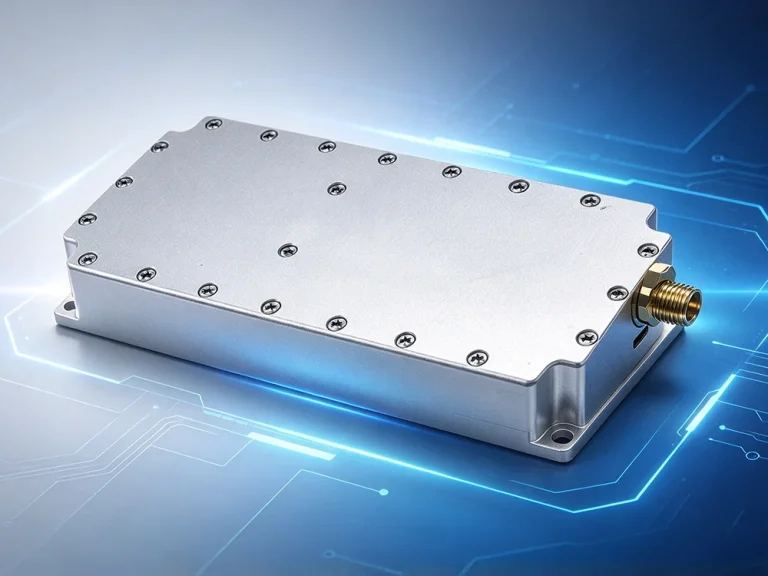

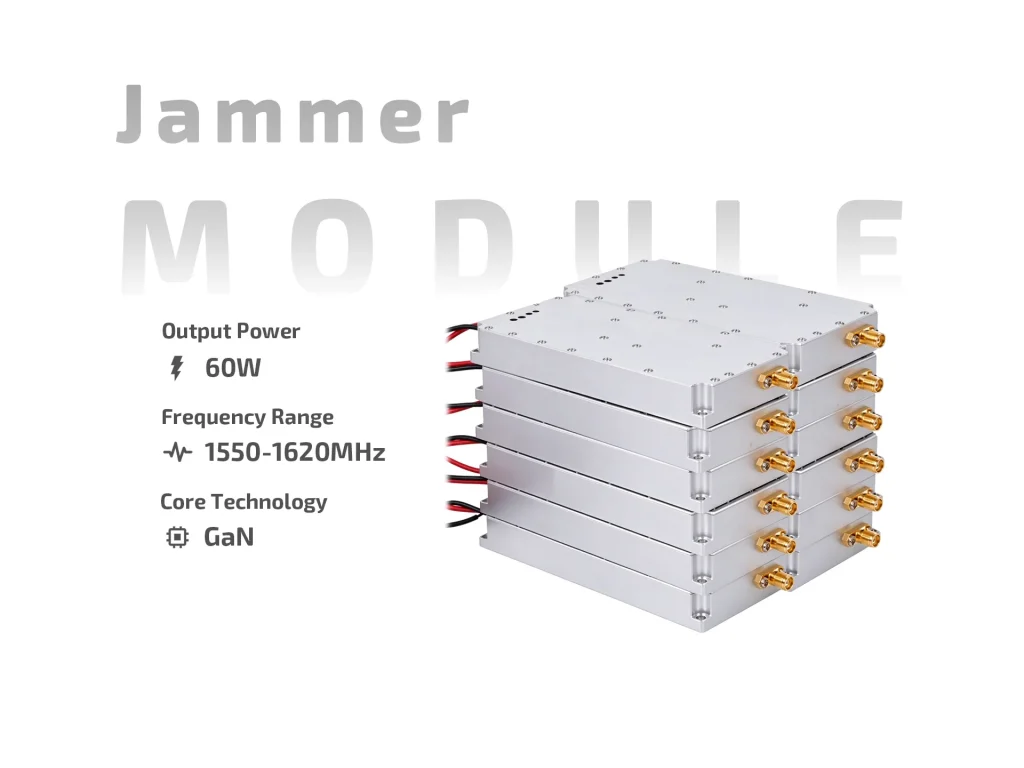
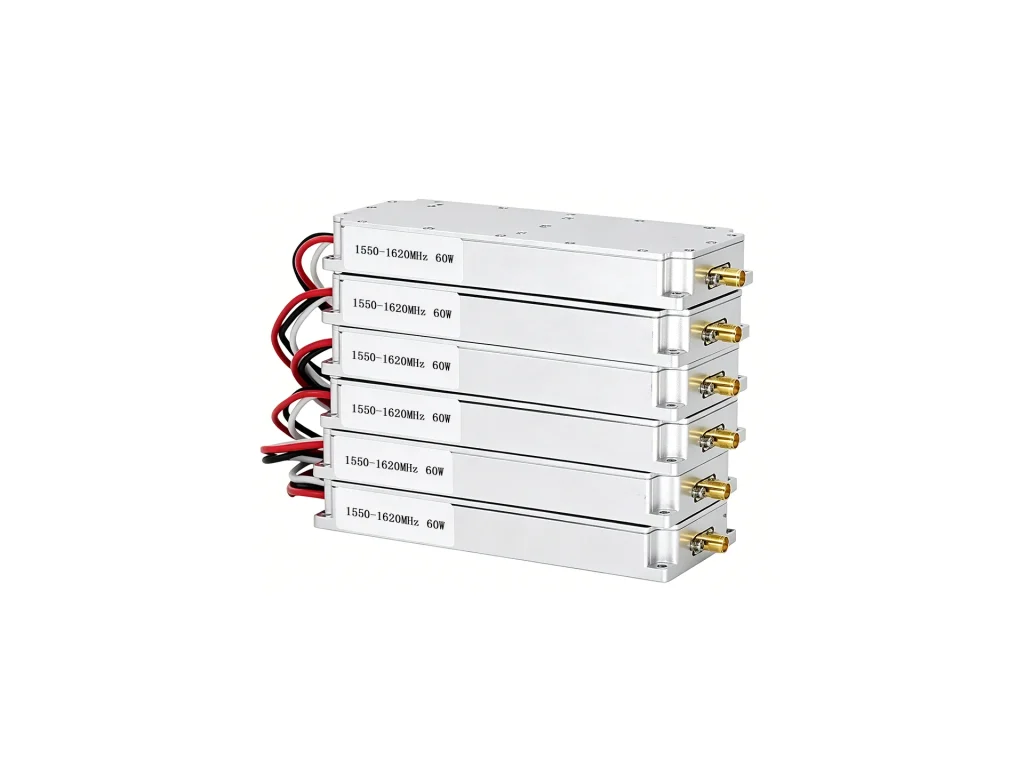

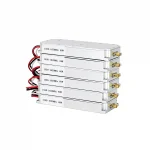
JM1516G60 60W GaN drone jamming module: 1550–1620MHz, DC12–14V, 12A max, ≥40% efficiency, SMA female, built-in sweep source, 138×50.5×17mm, 0.22kg.
The JM1516G60 is a 60W GaN drone jamming module for the 1550–1620MHz band. It packs a GaN amplifier, a built-in high-speed sweep source and switch control into a metal housing measuring 138×50.5×17mm. At 0.22kg, it is light enough for portable fixtures and compact enough for OEM enclosures. The module uses SMA female output and runs from DC12–14V. It is aimed at authorized counter-drone testing, RF labs and system integration—not standalone operation.

The 1550–1620MHz range covers GNSS L1 and nearby links, so filtering and antenna choice matter. The JM1516G60 concentrates 60W in this band instead of spreading power across a wide spectrum. That makes link budgeting more predictable, but it also means out-of-band performance depends on the complete RF chain. Use a well-matched 50-ohm antenna and keep coax loss low. Output VSWR is ≤2.0; a poor load can still stress the amplifier and shorten service life.
At DC12–14V, maximum current reaches 12A. That is a serious draw for a compact module, so the supply, wiring and connectors need headroom. Thin leads or loose terminals can cause voltage droop and unstable output. Efficiency is ≥40%, which helps, but the remaining energy still becomes heat. Mount the module on a metal plate or heatsink, apply thermal compound where needed, and test at the intended duty cycle. Do not judge thermal performance from a few seconds of operation.
Switch control is straightforward: +5V or floating turns the module on; grounding turns it off. This works with relay boards, remote switches and manual test rigs. The built-in high-speed sweep source removes the need for an external sweep generator, saving space and cabling. RF output is SMA female. Support the cable, avoid tight bends and do not run the drone jamming module without a suitable load. The SMA joint is not a mechanical support.
The 138×50.5×17mm housing leaves little room for error, so plan cable access before mounting. Keep RF and power leads separated where practical. Use short, low-loss coax at 1.5GHz and confirm connector torque. For outdoor housings, seal against moisture and allow a thermal path to the enclosure. A stable mount also protects the SMA connector from strain. Label the switch line clearly; a floating control wire may turn the module on unexpectedly.
Check three things first: antenna match, supply quality and temperature. Run the module at the expected duty cycle while logging current and housing temperature. If heat rises too fast, improve cooling or reduce transmission time. Confirm that the antenna gain and output power are allowed for your application. The JM1516G60 is a component, not a certified finished jammer. Final compliance depends on the enclosure, antenna, power system and operating procedure. Use a current-limited supply during first power-up and check for connector heating after a short run.
Typical projects include authorized counter-drone tests, security exercises, RF laboratory work and OEM integration. The 60W GaN drone jamming module suits builders who need 1.5GHz coverage with sweeping already included. It does not replace RF planning. Users still need to manage filters, antennas, power and thermal design. Budget space for a heatsink and a clean DC path; both are part of the module’s usable envelope. With those details handled, the JM1516G60 offers a compact building block for controlled test setups.
The JM1516G60 combines 60W GaN output, 1550–1620MHz coverage, built-in sweeping and a slim housing. Its value comes from simplifying integration, not from removing engineering work. Treat heat, load match and power delivery as first-order design items. Keep test notes on current, temperature and VSWR so later builds start from data rather than guesswork. Do that, and the module can perform consistently in authorized deployments.
| Parameter | Specification | Notes |
| Operating Frequency | 1550–1620 MHz | Fixed 1.5 GHz band |
| Output Power | 60 W | Typical |
| Output VSWR | ≤2.0 | 50 Ω load recommended |
| Operating Voltage | DC12–14 V | Supply must handle 12 A peaks |
| Max Operating Current | 12 A | At rated conditions |
| Efficiency | ≥40% | Heat still needs a path |
| Switch Control | +5 V or floating = ON; ground = OFF | Keep control line defined |
| Output Connector | SMA female | Avoid cable strain |
| Jamming Source | Built-in high-speed sweep source | No external sweep board |
| Dimensions | 138 × 50.5 × 17 mm | Compact housing |
| Weight | 0.22 kg | Approx. |
A procurement-focused look at 1.2GHz 60W anti-drone modules: band planning, thermal limits, interfaces, test data, and authorized deployment.
Sizing a 60W jammer module heatsink depends on efficiency, duty cycle, airflow, ambient, and enclosure. Use a thermal budget, not a wattage rule.

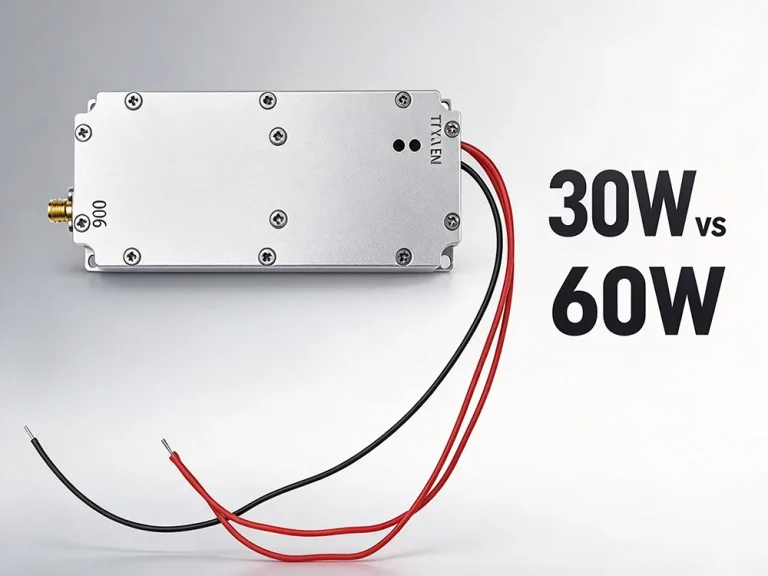
Compare 30W vs 60W drone jammer module by deployment scenario, thermal load, power budget and lifecycle cost. Choose the right tier.