Why the Company Revisited Its Screening Kit
A Chengdu security company handles a mix of commercial complex patrols, exhibition screening, temporary event security, and exam-period support for local schools. Its guards had been using a collection of handheld detectors bought over several years. The equipment worked, but it was becoming a management headache.
The complaints clustered around three issues. Battery compartments on several older wands had corroded in Chengdu’s humid weather, causing intermittent power failures. Sensitivity varied from unit to unit, so a wand that worked well at an exhibition gate might stay silent on a small metallic object at a school exam room. And guards had only one alarm type—sound—which was awkward in quiet exam halls and easy to miss in loud exhibition halls.
The company also wanted to support random spot-checks without causing disputes. Clients had become more sensitive about screening procedures, and supervisors wanted a device that was objective, non-intrusive, and certified. That last point mattered for tenders: several clients now asked for equipment that had passed recognized security product testing.

What Was Purchased
The company ordered 50 handheld metal detectors.
| Product | Model | Quantity |
|---|---|---|
| Handheld Metal Detector | ETLD-HMD3B1 | 50 |
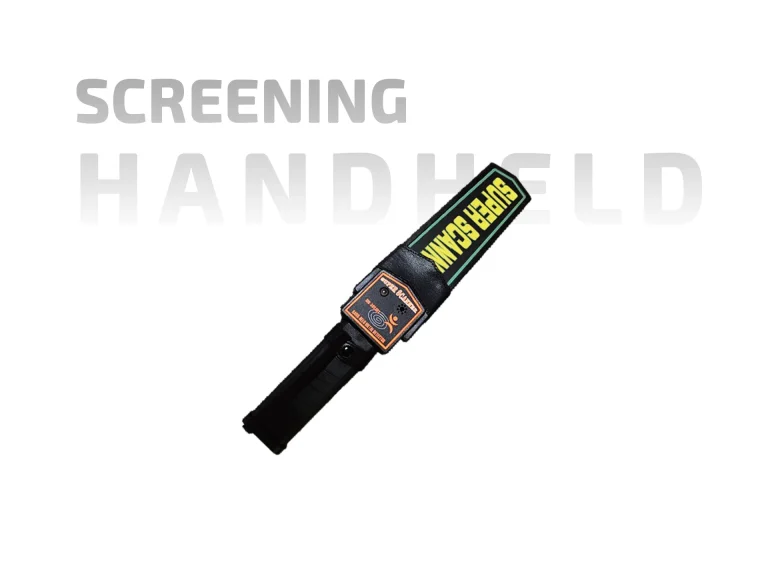
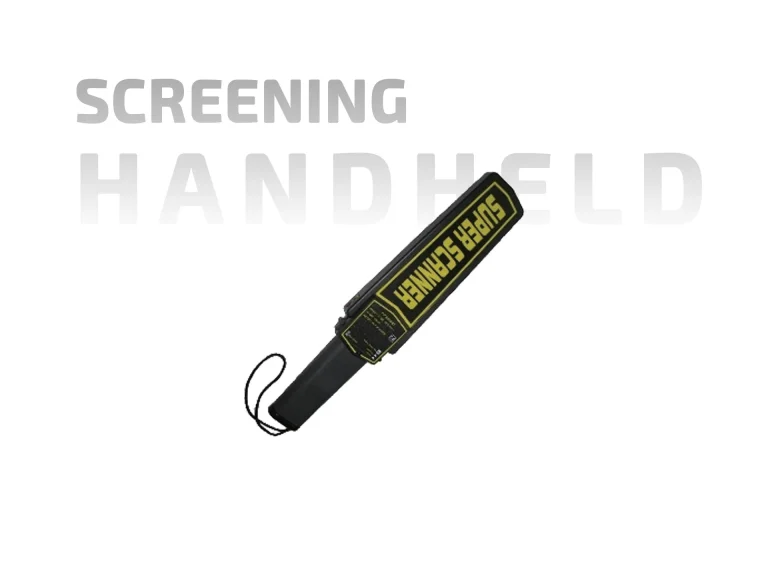
The ETLD-HMD3B1 is a portable scanner with adjustable sensitivity. At its highest setting, it detects a 0.7mm pinhead from more than 3cm away, and it can pick up a mobile phone at up to 8cm. It offers three selectable alarm modes, including synchronized sound and light and a discreet vibration mode. Power comes from a standard 9V battery (6F22ND), with an optional rechargeable feature, and the low-power design supports up to 40 hours of continuous operation. The unit weighs 360g, measures 41cm × 8.5cm × 4.5cm, and operates from -5°C to 55°C. It has passed certification by the Ministry of Public Security Safety and Police Electronic Product Quality Testing Center.
Trial Results and Field Data
The 50 units were spread across 12 contract sites: four commercial complexes, three exhibition halls, two school exam venues, two temporary event sites, and one mobile patrol team. The company ran a five-week trial and tracked a different set of measures than it had used for previous purchases.
| Measure | Previous Mixed Wands | ETLD-HMD3B1 |
|---|---|---|
| Units with power interruptions during trial | 6 of 50 | 0 of 50 |
| Detection of 0.7mm pinhead | Inconsistent | Consistent at >3cm |
| Phone detection through clothing | Often missed | Reliably detected at 5–8cm |
| Alarm modes available | Sound only | Sound+light, vibration, selectable |
| Average secondary check time | 18–25 seconds | 8–12 seconds |
| Guard-reported fatigue at end of shift | Moderate to high | Noticeably lower |
| Client complaints about screening | 7 during trial period | 1 during trial period |
At the exam venues, guards used the vibration mode and found it effective for quiet corridors. A concealed phone placed in a jacket pocket was detected at roughly 6–8cm, and the adjustable sensitivity allowed guards to ignore small metal buttons while still flagging the phone. At exhibition halls, the sound-and-light mode was easier to hear over background noise, and the lighter 360g weight made long scanning sessions less tiring.
Battery performance was better than expected. With normal use of about 300–450 scans per shift, one 9V battery typically lasted six to nine shifts, depending on how often the vibration mode was used. The company stopped issuing spare batteries to every guard and kept them at site offices instead. The corrosion problem did not appear because the battery compartment design and the company’s new storage procedure kept units dry between shifts.
What the Purchase Changed
The biggest change was consistency. Supervisors set one sensitivity baseline for commercial sites and a separate baseline for exam venues, and guards could switch between them without confusion. The three alarm modes meant the same wand could handle a loud exhibition hall and a quiet exam room, which reduced the number of device types the company had to stock.
The certification also helped in client conversations. When a school or venue asked how screening was conducted, the company could point to a tested device and a written procedure rather than explaining a mix of old equipment. Complaints about screening dropped, partly because random checks became faster and more predictable.
For future growth, the company plans to pair the ETLD-HMD3B1 with walk-through gates at larger venues, using the wands for secondary checks. Additional units can be added without changing training or battery logistics. The company is also testing a simple quarterly sensitivity check to keep all 50 units aligned.
Conclusion
The Chengdu security company’s purchase of 50 ETLD-HMD3B1 handheld metal detectors was driven by humidity-related failures, inconsistent sensitivity, and the need for quieter alarm options. The trial showed reliable pinhead and phone detection, longer battery life, and fewer client complaints. For security firms balancing event work, exam support, and everyday patrols, this kind of standardized, certified wand offers a practical upgrade path.