October 22, 2026
20W Anti-Drone Module Price: What Drives Cost?
Understand 20W anti-drone module price factors, from RF bands and cooling to enclosure, compliance and order volume. Compare quotes wisely.
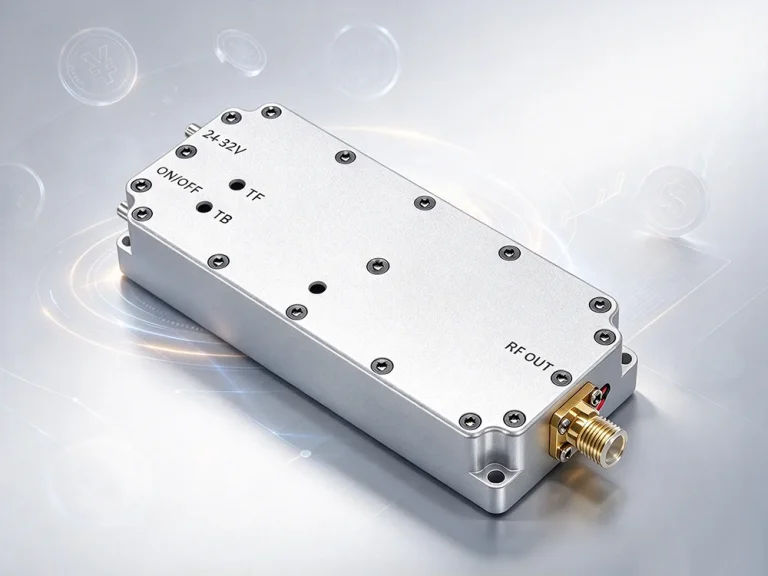

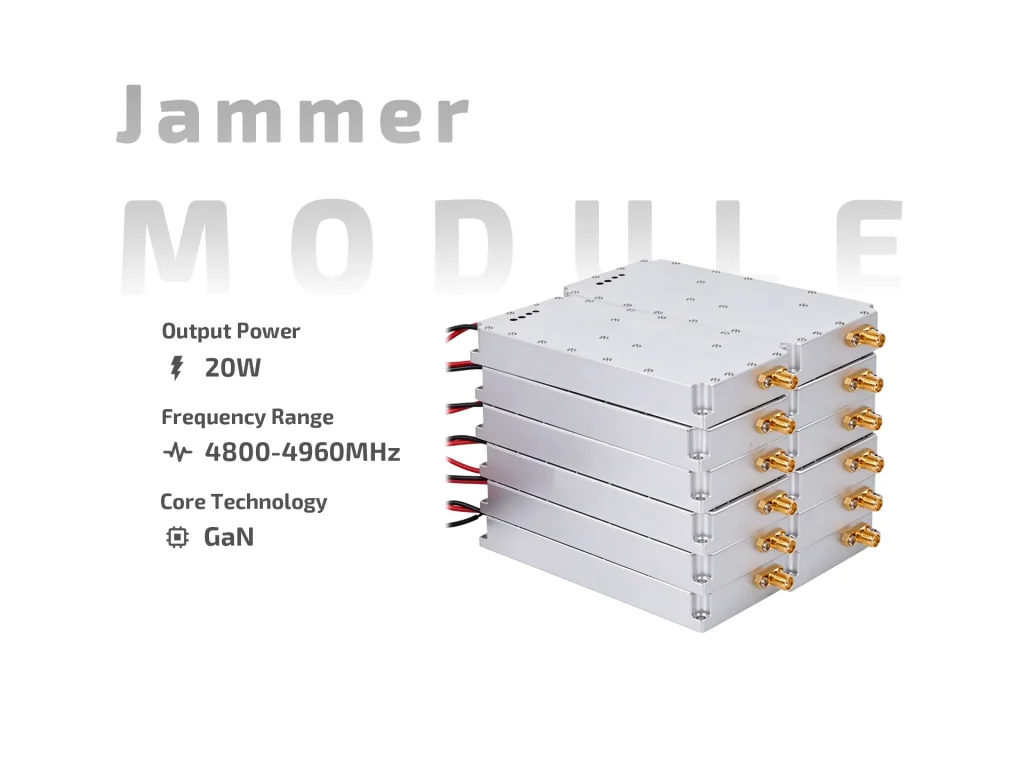
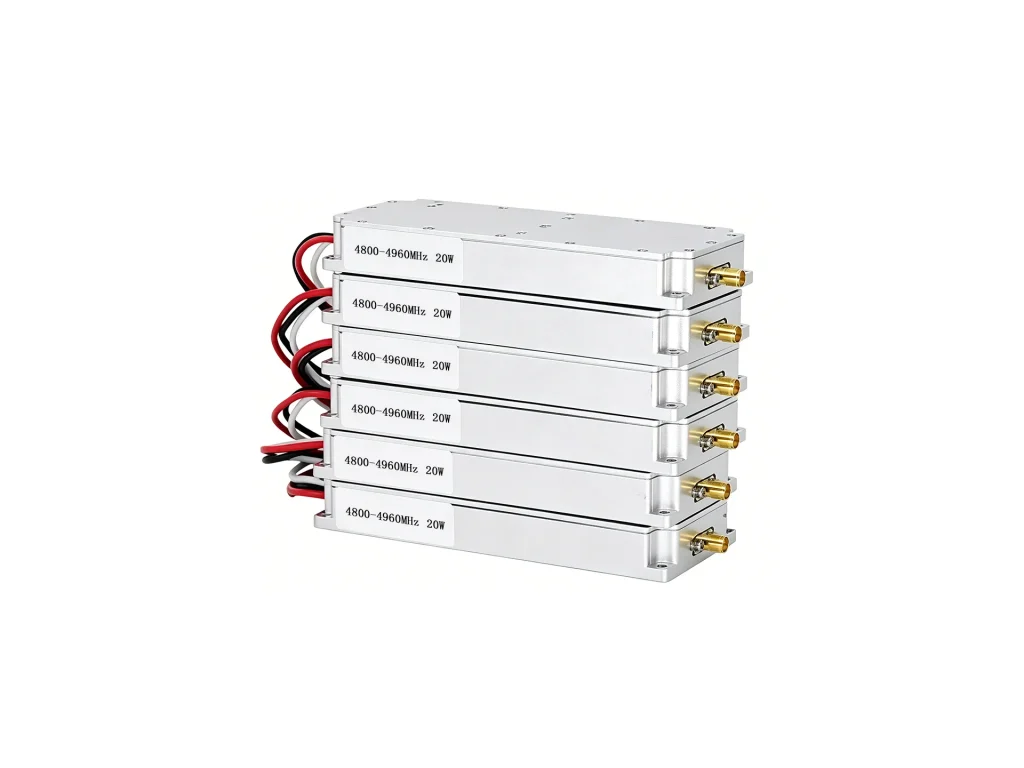
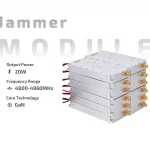
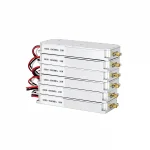
Discover the Pro 20W GaN anti-drone module, ETLD-JM4849G20, for 4800-4960MHz. Features 20W output, DC24-29V input, built-in sweep source, SMA female.
The 20W GaN anti-drone module ETLD-JM4849G20 is a compact analog jamming unit built for the 4800–4960MHz band. It combines a high-speed sweep source with a GaN amplifier, so integrators can add 5GHz UAV countermeasures without designing a separate signal chain.

This module is not just an amplifier. It is an integrated analog jammer with a built-in sweep source. The unit outputs 20W across 4800–4960MHz, a range often used by drones for video and telemetry. Output VSWR is specified at ≤2.0, which helps protect the final stage when paired with a suitable antenna.
The 20W GaN anti-drone module runs from DC24V to DC29V and draws up to 2.5A. That current level is manageable for many mobile power systems. The output is 20W typical. The built-in sweep source covers the full 4800–4960MHz range, so no external oscillator is needed.
4800–4960MHz sits inside the 5GHz band. Many consumer drones use this range for video downlinks and remote control. By targeting this slice, the module can disrupt those links while leaving other bands untouched. That selectivity matters in crowded RF environments.
GaN technology gives this module an efficiency of ≥40%. Less waste heat means it can fit into tighter housings, such as portable backpacks or fixed poles. The 115.5*46.5*21mm case and 0.21kg weight make mounting straightforward. Still, mount it to metal and allow airflow. If you run it at 29V, confirm your supply can deliver 2.5A continuously.
The switch control is TTL-friendly: +5V or floating turns the module on, while grounding turns it off. This makes it easy to drive from a microcontroller or a manual switch. The RF output uses an SMA female connector, a common interface for 5GHz antennas and coaxial cables. The on/off pin is not a data port. Do not apply AC or negative voltage. Use a clean +5V source or a grounded switch. If you leave the pin floating, the module stays on.
Always use an antenna rated for 4800–4960MHz. A poor match can raise VSWR, reduce range, and stress the amplifier. For general RF safety guidance, see the FCC RF Safety Guidelines. Keep coax short if possible. Long, lossy cables reduce effective radiated power. Also check local regulations before transmitting.
This 20W GaN anti-drone module suits system builders who need a ready-made 5GHz jamming path. Typical uses include:
Counter-UAV systems for prisons, airports, and borders
Portable inspection units
RF testing and research
Custom anti-drone platforms
Engineers often pair this module with a detector or camera system. The detector finds the drone. The 20W GaN anti-drone module then blocks its link. This detect-and-defeat chain is common in fixed sites. For mobile use, a battery pack and a directional antenna can extend range.
If you need another band, compare this unit with our 3400–3600MHz 20W GaN drone jammer module.
Many jammers require an external signal source. This model does not. Its built-in sweep source saves space and reduces wiring. The DC24–29V input and 2.5A maximum current are also common in vehicle and battery-powered setups. For broader counter-drone design considerations, see ITU resources on unmanned aircraft. Another benefit is size. At 115.5*46.5*21mm and 0.21kg, it fits where larger rack amplifiers cannot. That makes it suitable for UAV-mounted payloads or discreet wall boxes.
The ETLD-JM4849G20 is a practical building block for 4800–4960MHz counter-drone work. It offers 20W output, GaN efficiency, and a built-in sweep source in a small metal housing. For teams that need faster integration and fewer parts, this module is a strong candidate. Before ordering, confirm your target frequency and power needs. If 4800–4960MHz is correct, this model is ready. Proper grounding, cooling, and antenna selection will get the best results.
| Parameter | Specification | Notes |
| Frequency Band | 4800~4960MHz | 5GHz UAV band |
| Output Power | 20W | Typical |
| Output VSWR | ≤2.0 | Use matched antenna |
| Working Voltage | DC24V~29V | Regulated DC |
| Max Working Current | 2.5A | At 29V |
| Efficiency | ≥40% | GaN design |
| Switch Control | +5V or floating ON / ground OFF | TTL-friendly |
| Output Connector | SMA female | 50-ohm system |
| Jammer Source | Built-in high-speed sweep source | No external source |
| Dimensions | 115*546*521mm | Compact housing |
| Weight | 0.21kg | Lightweight |
Understand 20W anti-drone module price factors, from RF bands and cooling to enclosure, compliance and order volume. Compare quotes wisely.
Learn what is a 20W jammer module is used for, including portable counter-drone nodes, authorized RF testing, and multi-band deployments.
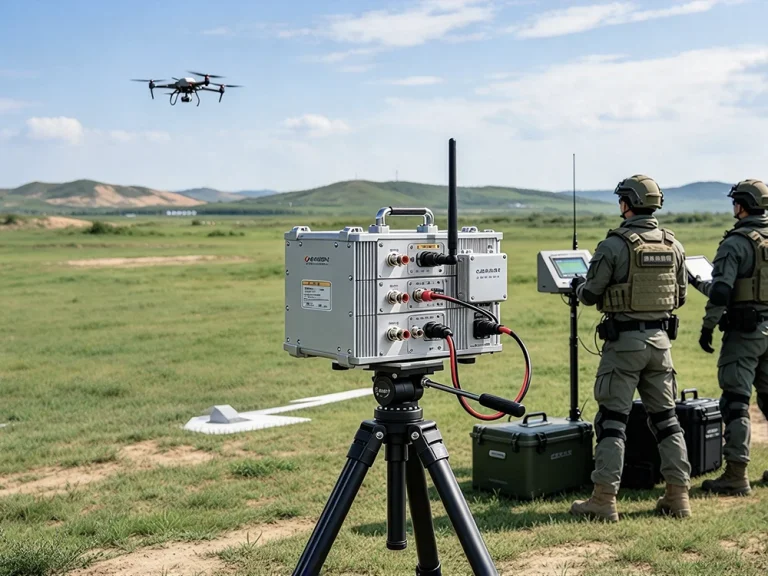
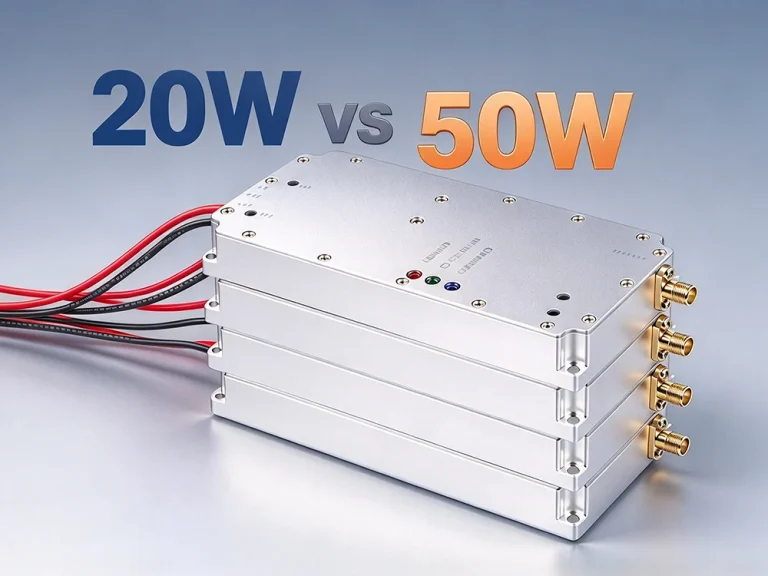
Compare 20W vs 50W drone jammer modules by range, heat, power and deployment. Choose the right counter-drone module with practical tips.