October 22, 2026
20W Anti-Drone Module Price: What Drives Cost?
Understand 20W anti-drone module price factors, from RF bands and cooling to enclosure, compliance and order volume. Compare quotes wisely.
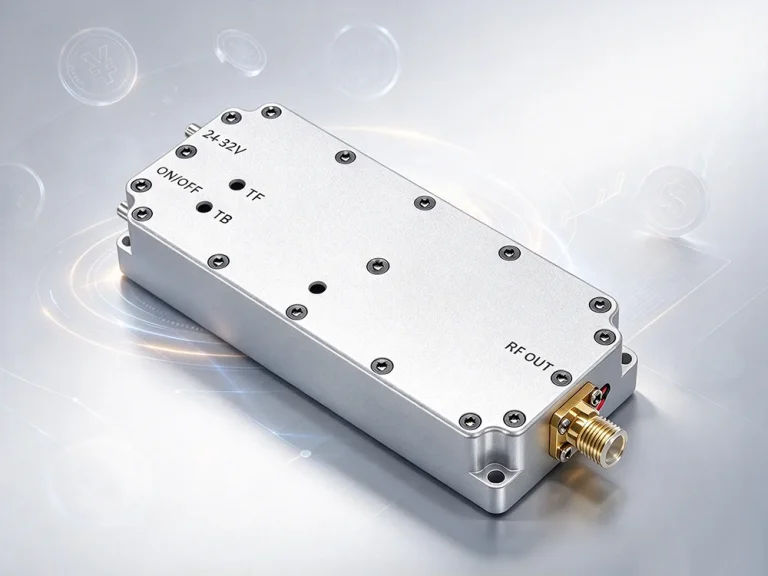

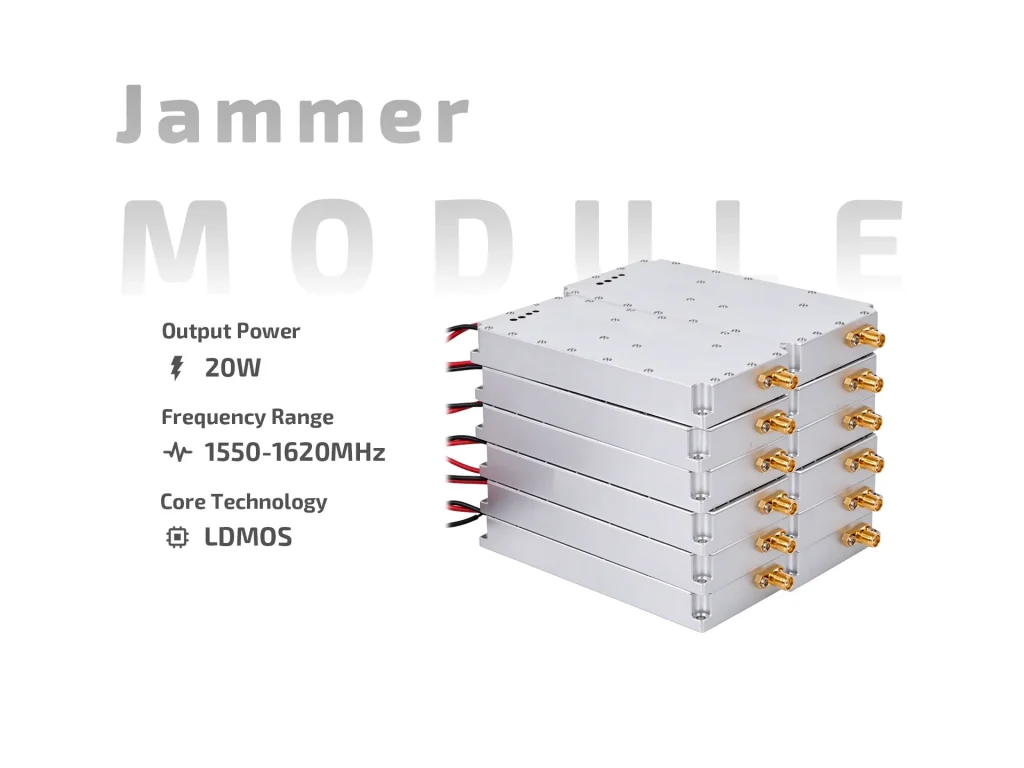
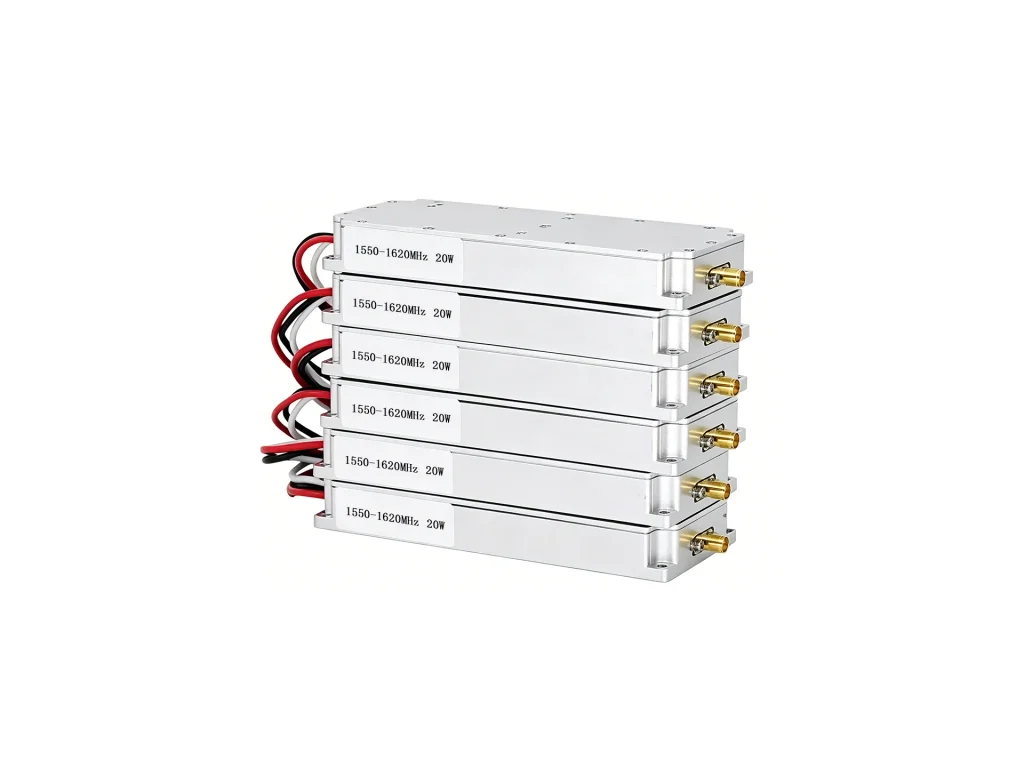
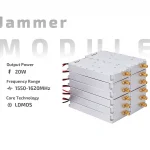
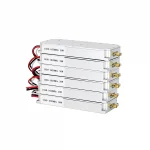
ETLD-JM1516L20 20W drone jamming module covers 1550-1620MHz, DC24-29V, 2.5A max, ≥40% efficiency, built-in sweep source and SMA female.
The ETLD-JM1516L20 is a single-box RF module for 1550–1620MHz interference work. It packs a 20W LDMOS amplifier, a fast sweep source and a metal housing. It is aimed at system builders who need a ready RF block for counter-drone work, not a bare amplifier board. The band overlaps GNSS L1 and nearby navigation links, so the module is usually used in controlled tests, training or authorized deployments. It is not a finished jammer; the final product still needs an antenna, DC supply, cooling and safety controls.

Output is 20W typical. Output VSWR is ≤2.0. That figure is not a license to run any antenna; it is a limit the module can tolerate. A badly matched antenna still turns forward power into heat and can stress the amplifier. The built-in high-speed sweep source saves rack space and cabling. You do not need to feed an external modulation signal for basic operation. The SMA female output keeps the RF interface simple. Use a cable and antenna rated for the band and for at least 20W.
The 20W drone jamming module runs from DC24V to 29V. Maximum current is 2.5A, and efficiency is at least 40%. The switch pin is simple: +5V or floating means ON; ground means OFF. That suits a relay, a GPIO through a suitable driver, or a panel switch. It is not a dimming or power-adjust input. Keep the control line short and routed away from the RF cable. Check the supply under load. A thin cable or weak adapter can drop voltage and cause odd behavior.
The case measures 115.5 × 46.5 × 21mm and weighs 0.21kg. It fits small enclosures, portable packs and multi-module frames. The metal body helps, but 20W still makes heat. Bolt the unit to a metal plate or heatsink and let air move over it. Do not cover the mounting face with insulating tape or thick paint. If the module sits in a sealed box, add a fan or a thermal path to the outside. Short test runs are fine on a bench; long runs need real cooling.
Use a 1550–1620MHz antenna with a good match. Keep the antenna away from the DC feed and control wires. Add current limiting and thermal cutoff in the final system. Label the unit clearly and restrict access. For multi-module builds, separate antennas and check RF isolation. Do not hot-plug the SMA connector while the module is on. Test with a dummy load first, then a known antenna, and watch current and temperature. Keep a short RF jumper and a spare fuse in the kit.
Typical uses include counter-UAV research, GNSS-band denial tests in shielded or authorized setups, RF site checks and training. Because the band covers navigation signals, operation near airports, hospitals, timing systems or public roads needs extra care. Rules vary by country. The integrator is responsible for spectrum compliance, output limits, shielding and operator training. This module is a component, not a consumer product.
Start at a low duty cycle. Confirm the supply stays within 24–29V under load. Check that the switch pin really goes to ground for OFF. Listen for fan noise if active cooling is used. Inspect the SMA connector for damage. Stop if current jumps or the case gets too hot to touch. A simple log of voltage, current and run time will save time later.
The ETLD-JM1516L20 drone jamming module gives builders a 20W, 1550–1620MHz RF block with an internal sweep source and a plain switch interface. It is compact and easy to fit, but it still needs a matched antenna, stable DC power and a real heat path. Get those three right and the module is straightforward to use.
| Parameter | Specification | Notes |
| Operating Frequency | 1550–1620MHz | Typical |
| Output Power | 20W | Typical |
| Output VSWR | ≤2.0 | Typical |
| Operating Voltage | DC24V–29V | Typical |
| Maximum Operating Current | 2.5A | Typical |
| Efficiency | ≥40% | Typical |
| Switch Control | +5V or floating = ON; ground = OFF | — |
| Output Connector | SMA female | — |
| Jammer Source | Built-in high-speed sweep source | Typical |
| Dimensions | 115.5×46.5×21mm | — |
| Weight | 0.21kg | — |
Understand 20W anti-drone module price factors, from RF bands and cooling to enclosure, compliance and order volume. Compare quotes wisely.
Learn what is a 20W jammer module is used for, including portable counter-drone nodes, authorized RF testing, and multi-band deployments.
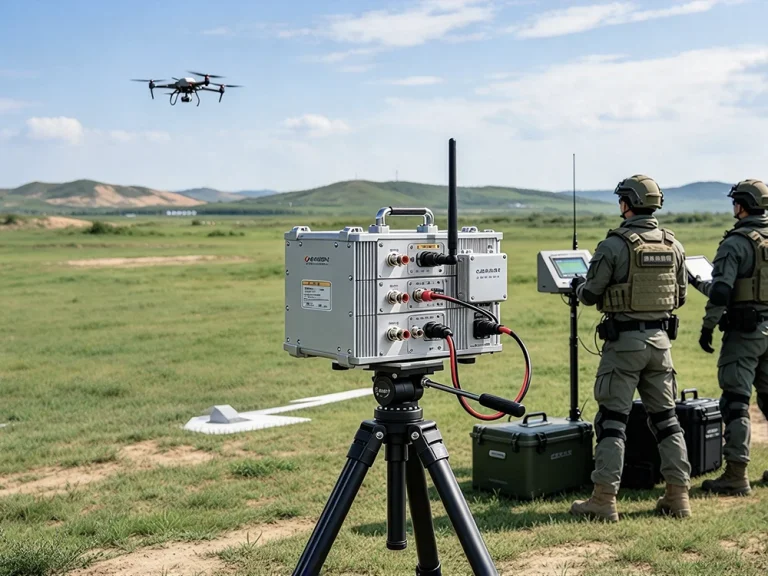
Compare 20W vs 50W drone jammer modules by range, heat, power and deployment. Choose the right counter-drone module with practical tips.