October 22, 2026
20W Anti-Drone Module Price: What Drives Cost?
Understand 20W anti-drone module price factors, from RF bands and cooling to enclosure, compliance and order volume. Compare quotes wisely.
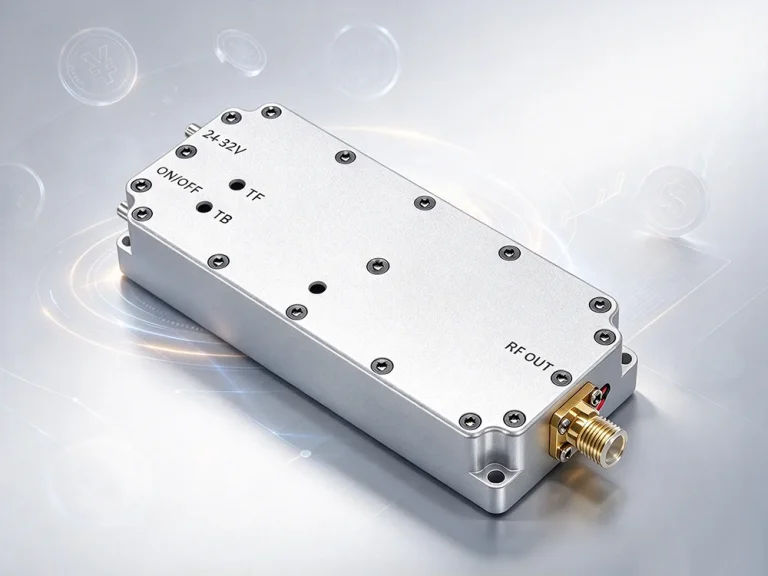

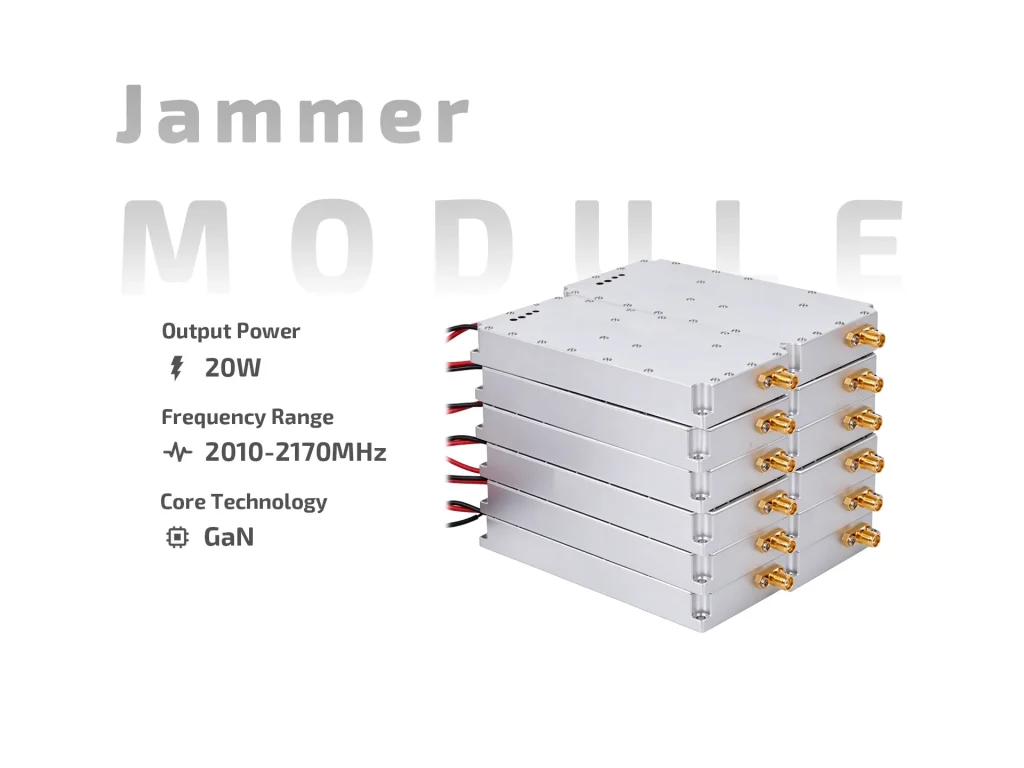
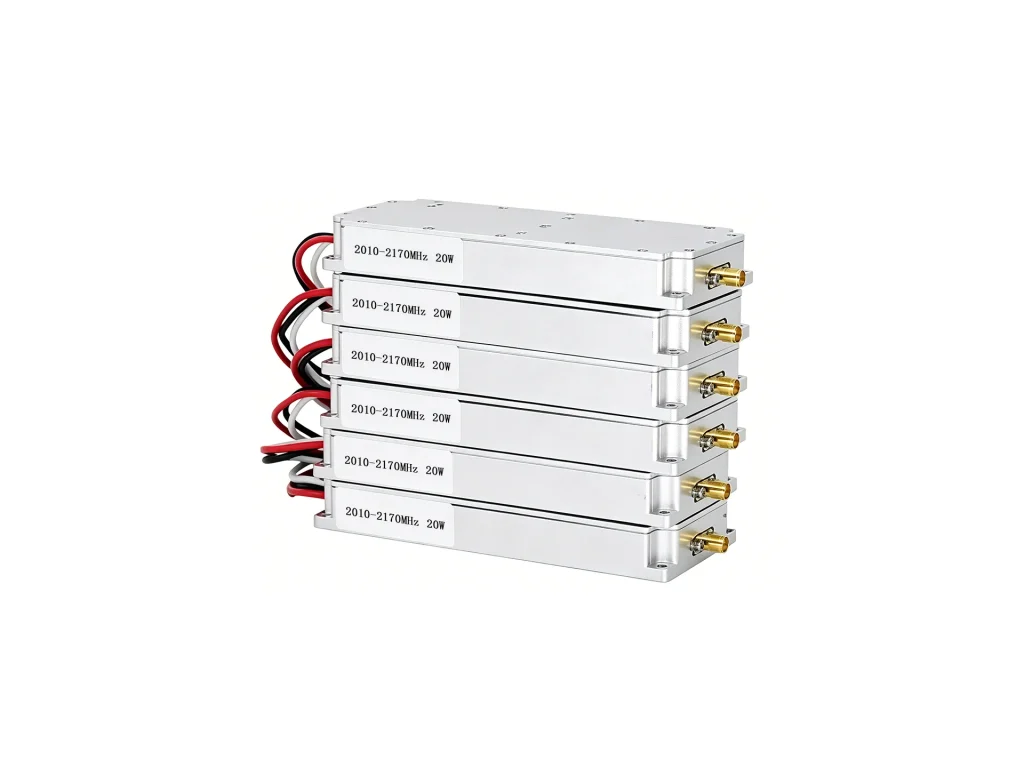
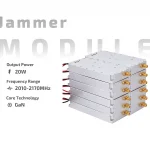
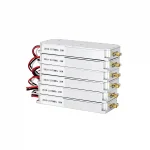
JM2021G20 20W GaN UAV jammer module: 2010–2170MHz, DC24–29V, 2.5A max, ≥40% efficiency, SMA female, built-in high-speed sweep source. Authorized use.
The JM2021G20 is a 20 W GaN analog jamming module for the 2010–2170MHz range. This band sits close to cellular and other high-traffic links, so clean RF behavior matters. The module uses GaN amplification and a built-in high-speed sweep source. It is an integrated block: RF generation, sweep, and amplification sit in one compact housing. That shortens integration work for system builders who need a repeatable module rather than a bench setup. The layout also keeps cable runs short, which helps when space is tight. That matters when the module is one part of a larger RF chain.

At 20 W output, the module runs from DC24–29V and draws up to 2.5A. Efficiency is rated at ≥40%. In real installations, keep the base plate flat and use a heatsink or cold plate sized for continuous duty. The 115.5*46.5*21mm housing and 0.21kg weight leave room for mounting in tight enclosures. Do not block the thermal path. If the module is pulsed or used at lower duty, thermal margin improves, but the supply and grounding still need to be solid. A thin thermal pad is often better than a thick, uneven layer of paste. Keep airflow paths clear.
The output connector is SMA female. Output VSWR is specified at ≤2.0. That figure is not a license to ignore load quality. A poor antenna match reflects power back into the amplifier and raises heat. Use a matched antenna, a short low-loss cable, and a stable mechanical connection. Check VSWR before long runs. In multi-module racks, separate RF and DC paths where possible. Keep the output port clean and torque the connector to the maker’s recommendation. A quick sweep with a return-loss bridge can save a long troubleshooting session. Do not overtighten the SMA nut.
Switch control is simple: +5V or floating means on; grounding means off. This suits remote control boards, relay logic, and simple MCU interfaces. The supply range is DC24–29V, so verify polarity and inrush. Add a fuse and reverse-polarity protection upstream. Use short, thick DC leads and a common ground reference. The module is an analog jamming block; it does not need a complex digital bus to start. That simplicity helps field replacement and reduces wiring errors. Label the control line clearly, especially in racks with several modules.
Mount the UAV jammer module where air can move or where the chassis can take heat away. Avoid placing it next to sensitive receivers without shielding. Feed the SMA output into a suitable antenna system and confirm the band coverage with a power meter or spectrum check. The internal sweep source is designed to cover the stated band; external filters or combiners will change the load. Test the full chain, not just the module. For authorized use only. Follow local radio and safety rules. Keep RF exposure away from people and use suitable enclosures. During first power-up, start with a known good load and watch current draw.
The JM2021G20 fits OEMs building counter-UAV or RF test systems that need a compact 20 W source in 2010–2170MHz. It also works as a replacement module in existing racks when the interface and thermal plan match. Buyers should confirm band, connector, control logic, and duty cycle before ordering. If the job needs higher power or a different band, this 20W GaN UAV jammer module is not a drop-in fix. For the stated band and power class, it offers a practical mix of size, simple control, and GaN output. Ask for a sample test report if your design is close to the thermal or VSWR limits. Document the final antenna and cable set.
| Parameter | Specification | Notes |
| Working frequency | 2010–2170MHz | Continuous coverage; match antenna and verify band before use |
| Output power | 20W | Typical; use suitable load and watch heat |
| Output VSWR | ≤2.0 | Specified; poor load raises heat, check before long runs |
| Working voltage | DC24V–29V | Range; observe polarity and add fuse |
| Max working current | 2.5A | Maximum; size supply and wiring, check inrush |
| Efficiency | ≥40% | Typical; thermal design matters, use heatsink |
| Switch control | +5V or floating = ON; ground = OFF | Keep control line clean and label wiring |
| Output connector | SMA female | Standard; torque correctly and keep clean |
| Interference source | Built-in high-speed sweep source | Integrated; no external sweep needed, test full chain |
| Dimensions | 115×546×521mm | Nominal; allow airflow and mount flat |
| Weight | 0.21kg | Nominal; check bracket load and secure mounting |
Understand 20W anti-drone module price factors, from RF bands and cooling to enclosure, compliance and order volume. Compare quotes wisely.
Learn what is a 20W jammer module is used for, including portable counter-drone nodes, authorized RF testing, and multi-band deployments.
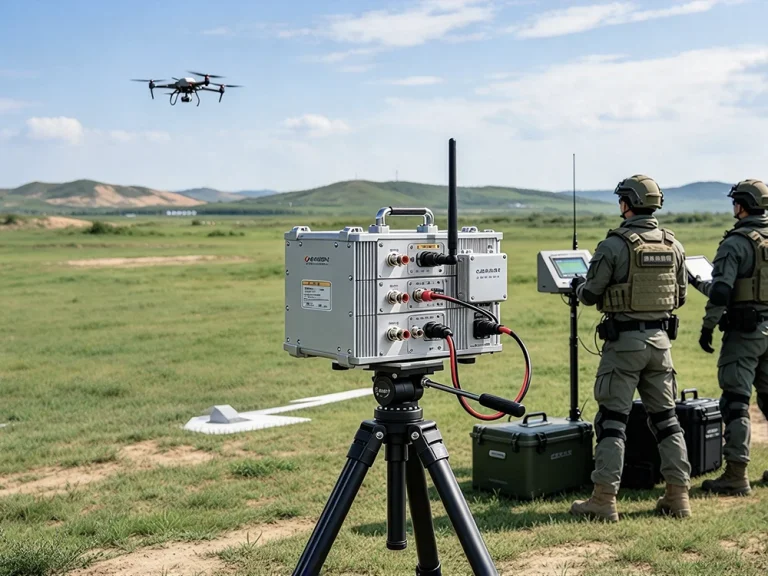
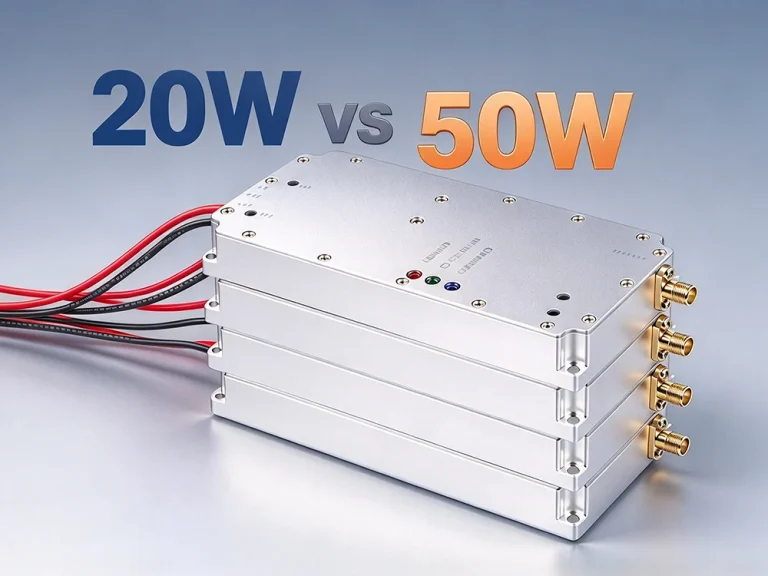
Compare 20W vs 50W drone jammer modules by range, heat, power and deployment. Choose the right counter-drone module with practical tips.