When Hangzhou Airport reviewed security screening at its terminal staff entrances and restricted-area access points, the goal was clear: keep entry fast during shift changes and peak periods, but do not compromise on threat detection. The existing setup relied heavily on conventional walk-through detectors and manual handheld checks. It worked, but it created friction. Keys, belt buckles, eyeglasses and other everyday metal items triggered frequent alarms, pulling security staff into unnecessary secondary inspections. During busy periods, queues built up quickly, and handheld wand operators had to work through long shifts with little margin for fatigue.
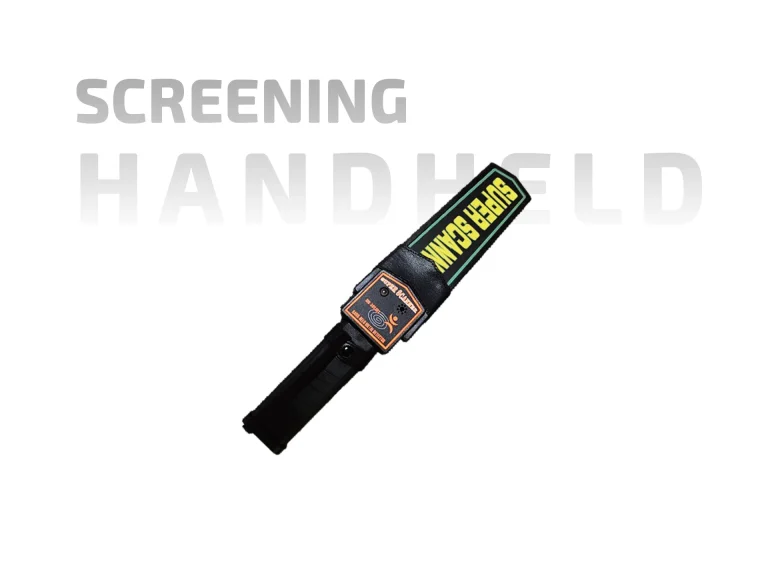
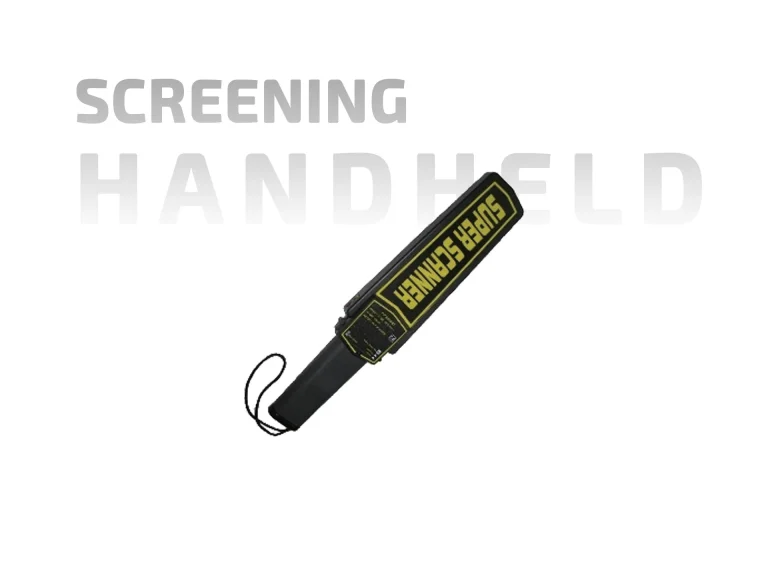
The airport needed a more practical mix: a walk-through system that could focus on real threats and filter out daily noise, plus handheld detectors for targeted secondary checks. After a competitive procurement review, the airport selected 20 ETLD-SG24 Intelligent Security Inspection Gates and 20 ETLD-HMD3A1 Handheld Metal Detectors.

Project Background and Pain Points
The main challenge was not simply detecting metal. It was detecting the right things without slowing down foot traffic. Airport access points have a mixed flow of staff, contractors, visitors and service personnel. Screening has to be consistent, but it also has to be quick. The old process had three recurring pain points:
-
Frequent false alarms: Everyday items such as belt buckles, keys and eyeglasses caused too many stops, especially during shift changes.
-
Manual inspection fatigue: Handheld wands were used for long periods, and operator fatigue affected consistency.
-
Limited data and integration: Alarm events were not always logged in a way that supported later review, and linking screening results with access control was cumbersome.
The airport also wanted equipment that could handle continuous operation, wide voltage conditions and temperature changes in different terminal areas.
Procurement Specifications
| Product | Model | Quantity |
|---|---|---|
| Intelligent Security Inspection Gate | ETLD-SG24 | 20 |
| Handheld Metal Detector | ETLD-HMD3A1 | 20 |
The ETLD-SG24 gates were installed at staff entrances and restricted-area access lanes. The ETLD-HMD3A1 wands were issued to secondary inspection teams and roving security staff.
The gate’s 23 sensitive detectors were a key reason it was shortlisted. The system can catch devices in standby mode, powered off, or with SIM cards and batteries removed. It also detects electronics wrapped in up to five layers of tin foil, while filtering out common harmless metal items. Four operating modes let the airport switch between electronics-only, contraband-only, combined, or standard all-metal detection depending on the security level. The 24-inch dual-screen or 11-inch single-screen display shows passenger counts, alarm counts and alarm locations. The gate also supports PC-based remote management and turnstile linkage, so a violation can trigger a turnstile closure and log the event automatically.
The handheld unit was chosen for its balance of sensitivity and portability. It detects a standard 20mm steel ball from at least 5cm, runs on a 9V battery, and offers up to 40 hours of continuous operation. At 360g and 41cm x 8.5cm x 4.5cm, it is easy to carry through long shifts. It also offers sound-and-light or vibration alarm modes, which helps in both noisy terminal areas and quieter inspection rooms.
Actual Operation and Data
After commissioning, the airport reviewed the first 90 days of operation. The results were measured from lane logs, alarm records and maintenance reports.
-
Throughput met design expectations: Gate lanes averaged 41 people per minute during peak staff-entry periods, meeting the ETLD-SG24’s ≥40 people/minute rating. Average pass time was under one second per person.
-
Secondary inspections dropped: The share of entrants pulled for secondary checks fell from 16.8% to 11.6%. Most of the reduction came from fewer alarms caused by keys, belt buckles and eyeglasses.
-
Detection stayed reliable: During controlled tests and live secondary checks, the gate identified phones and small electronics in standby or powered-off states. Test items wrapped in up to five layers of foil were also detected. The handheld wands confirmed the 20mm steel ball at 5cm or more.
-
Battery life held up: Each ETLD-HMD3A1 typically covered three 8-hour shifts on one 9V battery, with reserve capacity. That reduced battery-swap interruptions for secondary inspection teams.
-
Stable operation: The gates ran continuously in terminal access areas within the -20°C to +60°C operating range. No temperature-related shutdowns were recorded during the review period.
-
Better event logging: Alarm data and passenger counts were sent to the PC-based management system. When linked turnstiles were used, violation events triggered closure and were logged automatically.
Project Value
The biggest value was not just faster screening. It was a more controlled screening process. Security staff spent less time clearing harmless metal items and more time on targeted checks. The four modes gave the airport flexibility to tighten screening during higher-risk periods without changing hardware. The dual-screen display made lane performance easier to monitor, and the networking capability gave supervisors a clearer record of alarms and access events.
For the handheld teams, the lighter 360g wands and long battery life reduced fatigue and downtime. For the airport, the combination of 20 gates and 20 handheld detectors created a workable layered system: walk-through screening for volume, handheld checks for exceptions. The equipment met the airport’s practical requirements for speed, durability and integration, and it provided a scalable base for future access-control upgrades.